
Why DAOs Choose MPC + AA Hybrid Custody Over Custodial Services 2026

In 2026, DAOs face a stark choice: cling to outdated custodial services or leap into the future with MPC and AA hybrid custody. Traditional custodians promise safety, but they chain your assets to centralized vaults prone to hacks, regulatory whims, and sluggish approvals. Hybrid non-custodial wallets flip the script, fusing multi-party computation for ironclad security with account abstraction for fluid operations. Forward-thinking DAOs like those managing billion-dollar treasuries are already pivoting, slashing risks while supercharging governance. This isn’t evolution; it’s revolution.


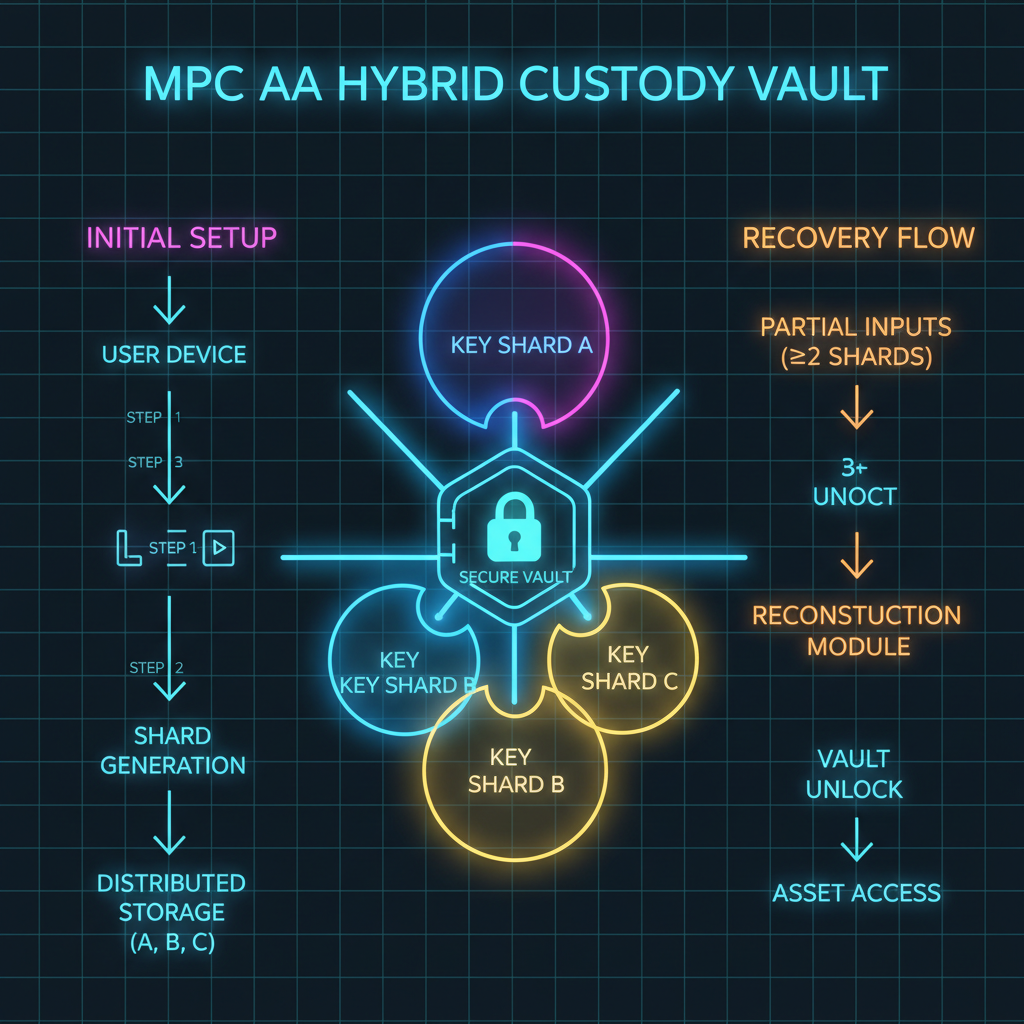
Picture this: your DAO’s treasury sprawls across Ethereum, Solana, and beyond, humming with proposals and payouts. Custodians demand keys to the kingdom, creating juicy targets for attackers. MPC shreds that vulnerability by splintering private keys into shards held by trusted parties. No one holds the full key; consensus rules. Pair it with AA via ERC-4337, and you get programmable wallets that execute gasless transactions and custom policies on autopilot. DAOs choose this stack because it delivers DAO MPC AA custody without the custody compromise.
Fortify Your Fortress: MPC’s Unbreakable Defense Against Threats
MPC isn’t just tech jargon; it’s the bulwark DAOs need in a world where $3 billion vanished in hacks last year alone. By distributing key shares, MPC eliminates single points of failure. Insiders can’t go rogue, and external breaches hit walls. Take a high-growth DAO executing weekly payrolls: with MPC, signers approve via secure ceremonies, audited in real-time. No more sweating over custodian downtime during market frenzy.
Bold DAOs demand more. Integrate AA for social recovery, where guardians restore access sans seed phrases. This aligns perfectly with decentralized ethos, letting multisig evolve into fluid, policy-driven controls. Forget rigid 3-of-5 setups; enforce spend limits, time locks, or treasury diversification rules natively. Account abstraction DAOs thrive here, turning wallets into smart contracts that adapt to governance votes.




Command Autonomy: Ditch Custodians, Own Your Ops
Custodial services? They’re the overbearing middlemen slowing your roll. Hybrid custody hands reins back to your DAO. AA wallets batch transactions, sponsor gas, and embed recovery logic, making ops seamless for global contributors. No KYC hurdles or withdrawal queues; just pure execution.
Scalability soars too. Manage 100 signers across time zones? MPC ceremonies via apps keep it tight. Policies automate everything: auto-vest tokens for vesting cliffs, flag high-risk spends, or route funds per on-chain votes. This is MPC policy management at its finest, empowering high-growth teams to scale fearlessly. Custodians can’t match that agility; they’re built for banks, not borderless orgs.
Regulators circle like sharks in 2026, but smart DAOs swim smarter. Hybrid custody bakes compliance into the protocol. Policy engines enforce co-signing for large transfers, log every action immutably, and integrate KYC where needed, all decentralized. No handing keys to a third party audited by the same suits demanding oversight.
Audit trails shine on-chain, verifiable by anyone. DAOs handling fiat ramps or institutional inflows stay compliant effortlessly. Vaultody and similar pioneers prove it: flexibility meets fiduciary duty. This balance lets DAOs court VCs and corps without custody crutches, proving self-sovereignty works at scale.
Real-world DAOs aren’t waiting for permission; they’re deploying hybrid non-custodial wallets today. Take a DeFi protocol juggling $500 million in TVL: MPC shards keys among core contributors, AA handles batched payouts to stakers. No custodian delays during volatility spikes. Governance votes trigger instant executions, policies cap whale dumps, keeping the treasury intact. This setup crushes custodial black boxes where opacity breeds distrust.
Scale Without Friction: Multi-Chain Mastery and Policy Power
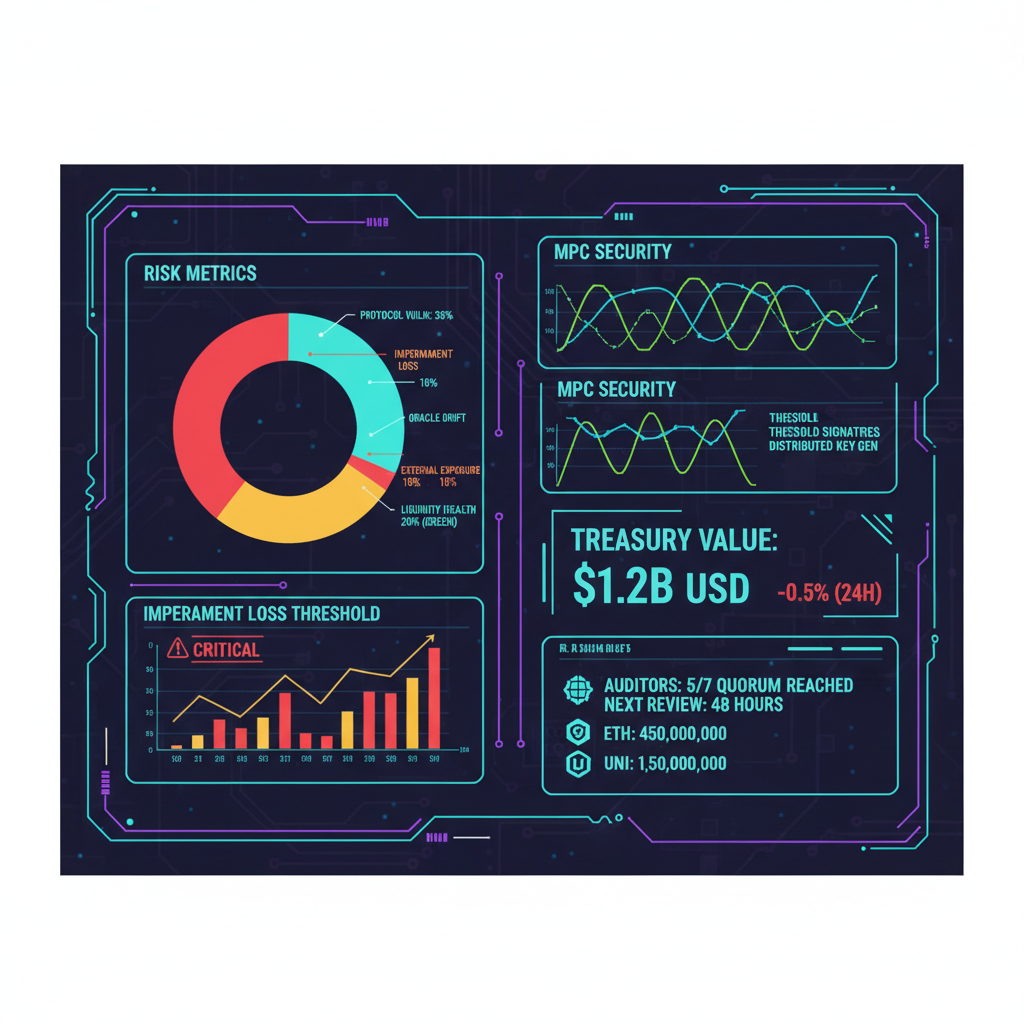
2026 demands borderless ops, and MPC plus AA delivers. Manage assets from Ethereum L2s to Solana speed demons without silos. AA’s programmable logic automates cross-chain bridges, yield farming rotations, and emergency pauses, all policy-enforced. MPC policy management shines: set thresholds for treasury allocations, require quorum for proposals over $1 million, or auto-diversify into stables during downturns. Custodians? They’re stuck in Ethereum-era silos, charging premiums for every chain add-on.
Costs plummet too. No recurring custodian fees eating 0.5% annually; hybrid custody runs on-chain gas, optimized by AA bundlers. For a DAO with 50 members disbursing grants monthly, savings compound fast. Add social recovery for lost access, and contributor churn drops. This is enterprise-grade without the enterprise bloat.
5 Bold Steps to Supercharge Your DAO Treasury with MPC + AA Hybrid Custody

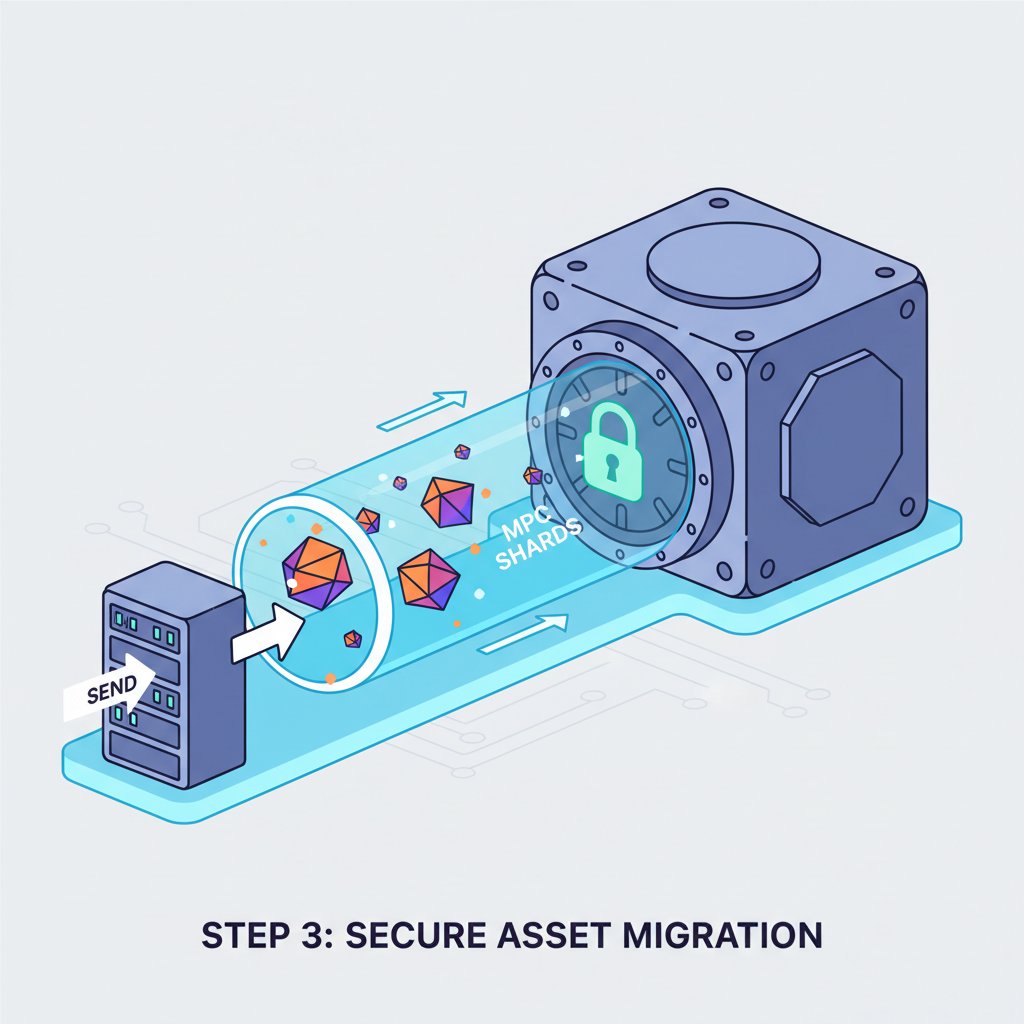

Critics claim MPC ceremonies slow things down. Nonsense. Modern apps enable threshold signing in minutes, asynchronous across globes. AA front-ends it with user-friendly bundlers, masking complexity. DAOs like MakerDAO experiments prove it: hybrid stacks handle peak loads while custodians throttle during bull runs.
Future-Proof Your DAO: The 2026 Imperative
As DAOs eye institutional capital, hybrid custody bridges the gap. VCs demand audits without control loss; regulators want trails without central honeypots. MPC distributes risk, AA embeds compliance, creating audit-ready treasuries that scream legitimacy. Enhanced security thwarts the $3 billion hack parade, operational autonomy fuels innovation, regulatory compliance opens doors, and flexibility scales to unicorn status.
Bold moves win in crypto. Ditch custodians’ single points of failure for MPC’s distributed might. Swap rigid multisig for AA’s adaptive brains. Your DAO deserves custody that evolves with it: unbreakable, autonomous, compliant. Teams pioneering this hybrid path aren’t just surviving 2026; they’re dominating it.