

Programmable Team Wallets: AA Enhancements on MPC Custody Foundations

Programmable team wallets redefine how organizations handle digital assets, layering Account Abstraction (AA) enhancements atop Multi-Party Computation (MPC) custody foundations. This hybrid model delivers enterprise-grade security without the rigidity of traditional setups. Teams gain programmable controls that enforce policies at the signing layer, minimizing risks while streamlining multi-user approvals. Recent advancements, like Fordefi’s policy-enforced MPC wallets and Dynamic’s TSS-MPC embedded solutions, underscore a shift toward operational efficiency in institutional crypto management.


MPC technology splits private keys into shards distributed across parties or devices, ensuring no single point of failure. As Safeheron explains, this cryptographic distribution prevents full key compromise, a critical edge over single-key wallets. In team contexts, MPC enforces spending limits and role-based approvals directly during signature generation, keeping operations private and compliant. Stackup’s 2025 guide highlights how MPC stays at the cryptographic layer, producing standard transactions without exposing signing logic.
MPC Custody Programmability for Risk-Averse Teams
Fystack’s overview for startups reveals MPC wallets’ strength in embedding transaction policies natively. Imagine a DAO requiring dual executive sign-off for transfers above a threshold; MPC handles this pre-signature, blocking non-compliant actions. This MPC custody programmability reduces reliance on post-transaction audits, a boon for compliance-heavy firms. Yet, caution prevails: while MPC excels in security, its UX can lag without enhancements, prompting integration with emerging standards.
Key AA MPC Enhancements
-
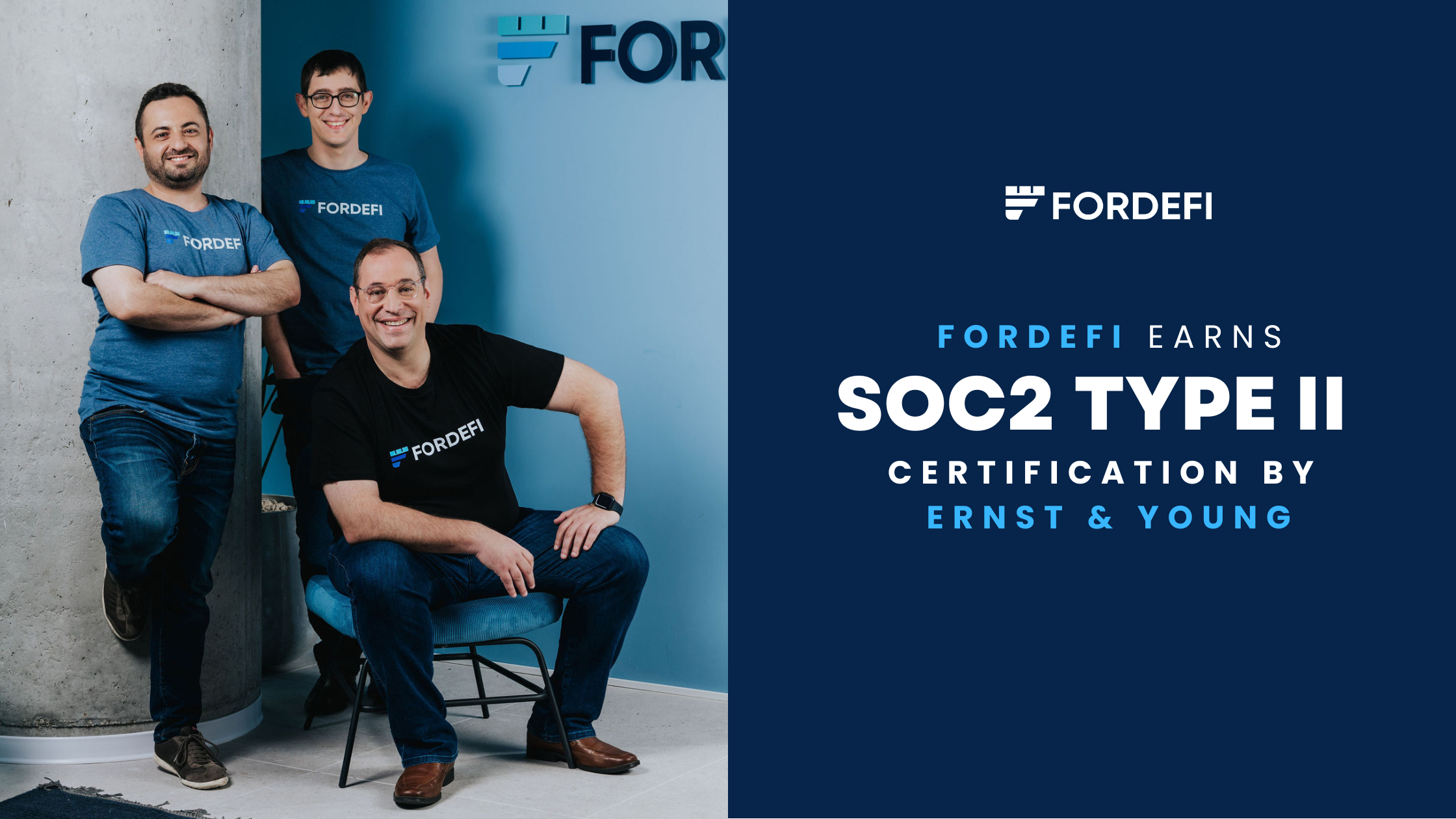
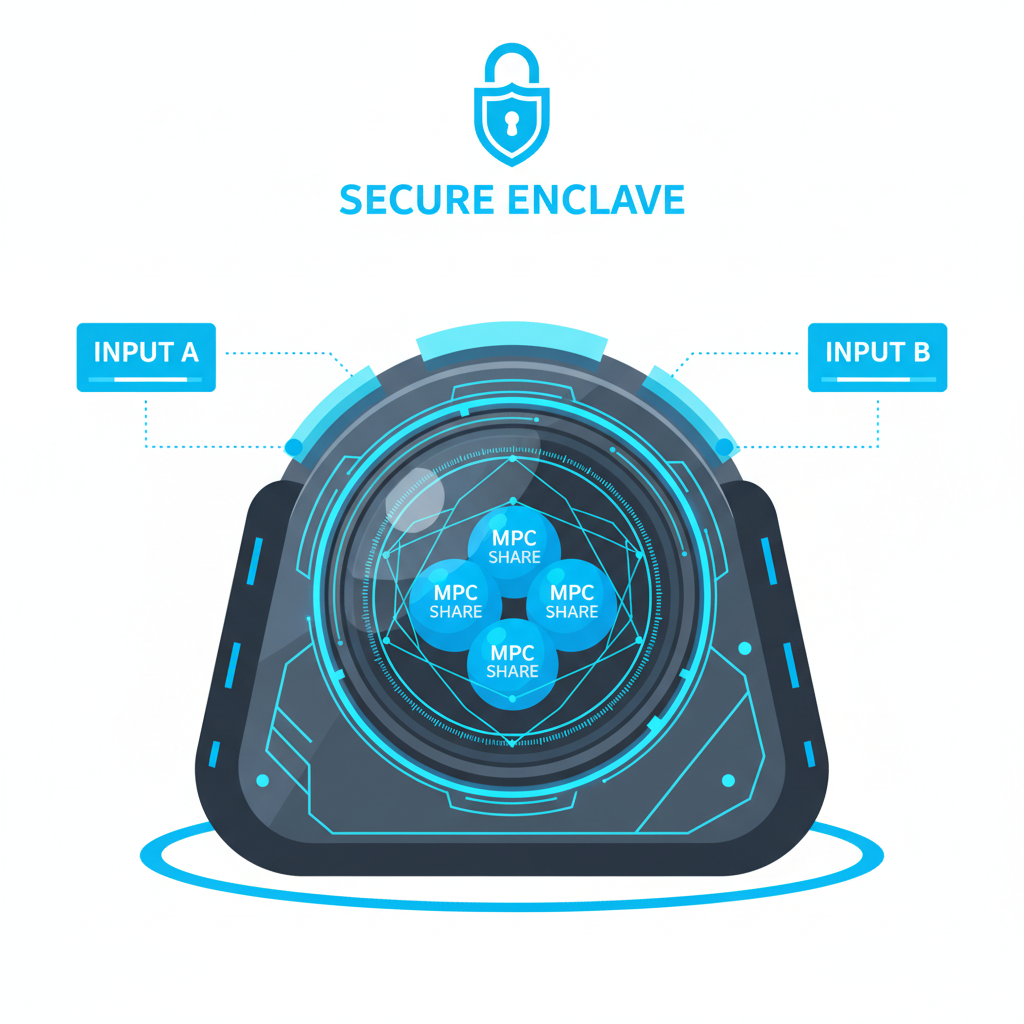
Policy Enforcement: MPC wallets like Fordefi enforce transaction policies at the signing layer, isolating shares in secure enclaves before every signature.
-
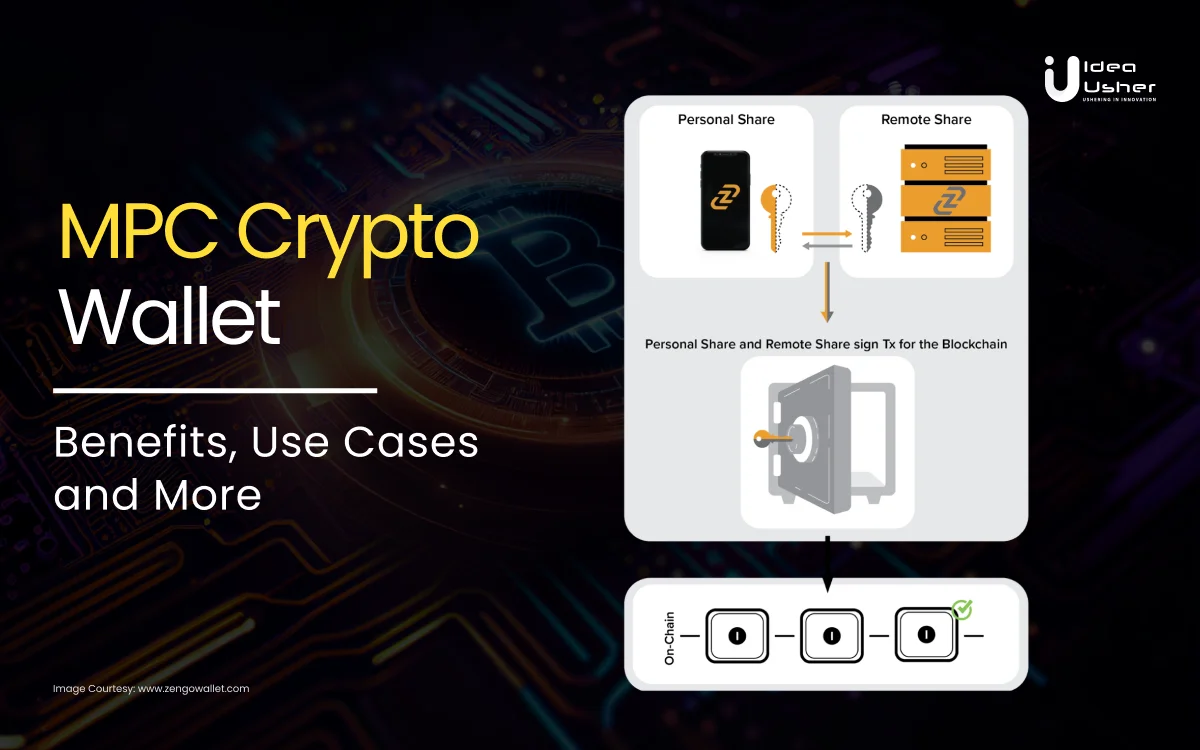
Multi-Role Approvals: Platforms such as Fystack enable multi-role approvals and operational constraints directly within MPC signing.
-
Cross-Chain Support: Dynamic embedded wallets provide cross-chain compatibility using TSS-MPC technology.
-
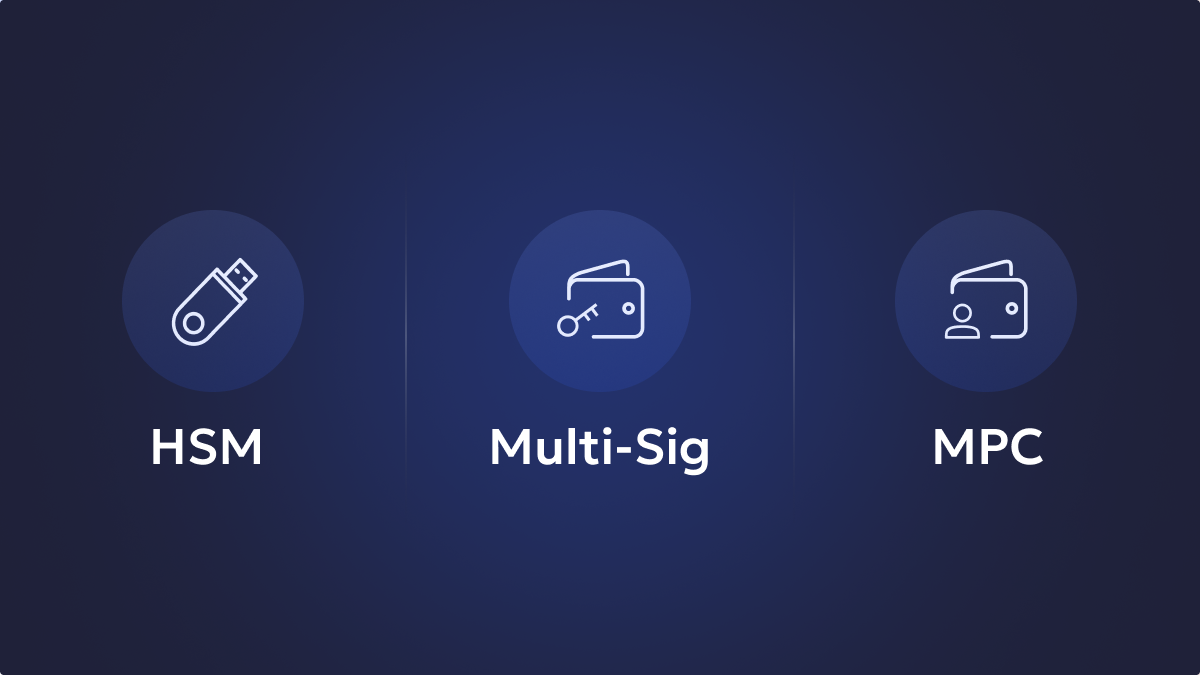
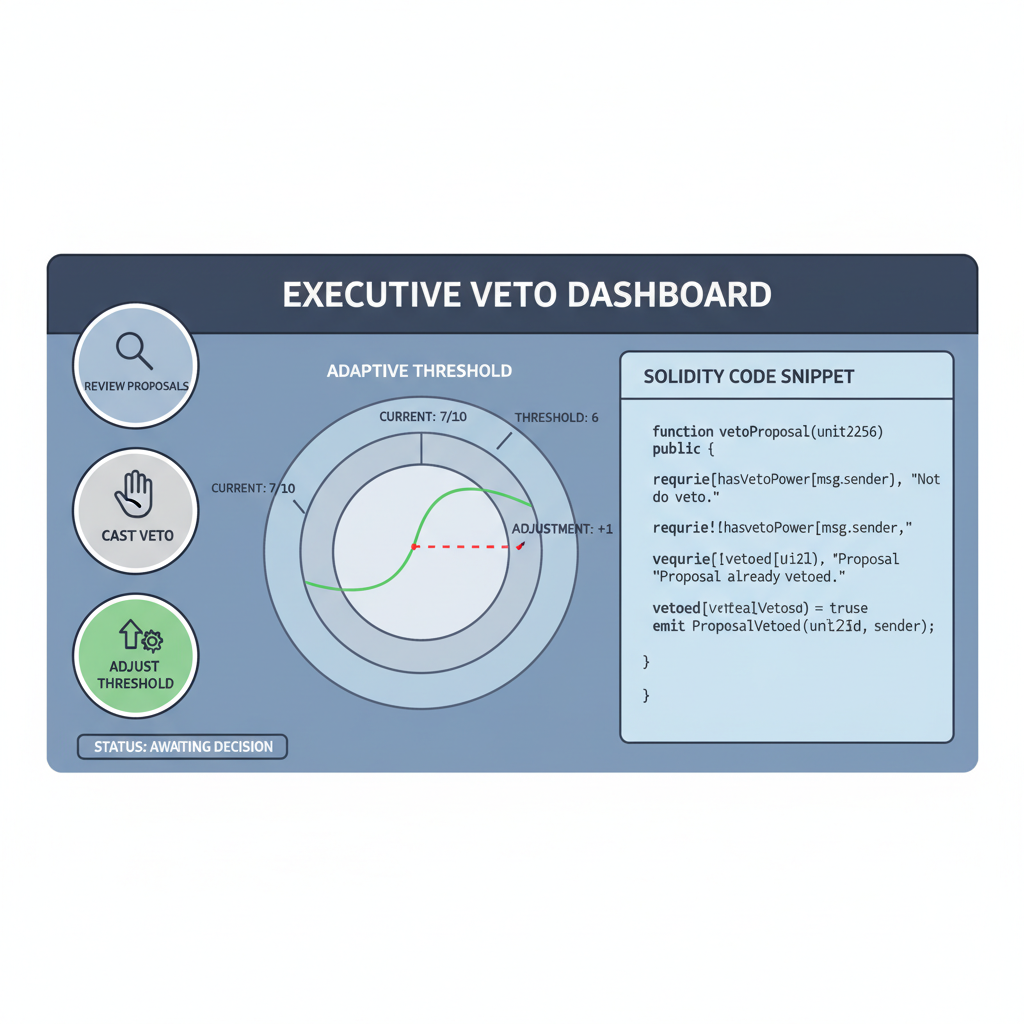
Adaptive Thresholds: Dynamic security thresholds adapt to context in MPC-AA setups for enhanced institutional control.
-
Seamless UX: AA integrations like Alchemy Account Kit deliver sub-second signing and smart contract UX on MPC foundations.
Alchemy’s developer guide confirms MPC’s compatibility with AA, allowing smart contract wallets to leverage MPC’s secure signing. Turnkey’s analysis weighs MPC against TEEs and AA, noting MPC’s superior key privacy but potential latency in multi-party coordination. For teams, this means balancing shard thresholds carefully; a 2-of-3 setup offers resilience without excessive delays.
Account Abstraction Team Features Unlock Flexibility
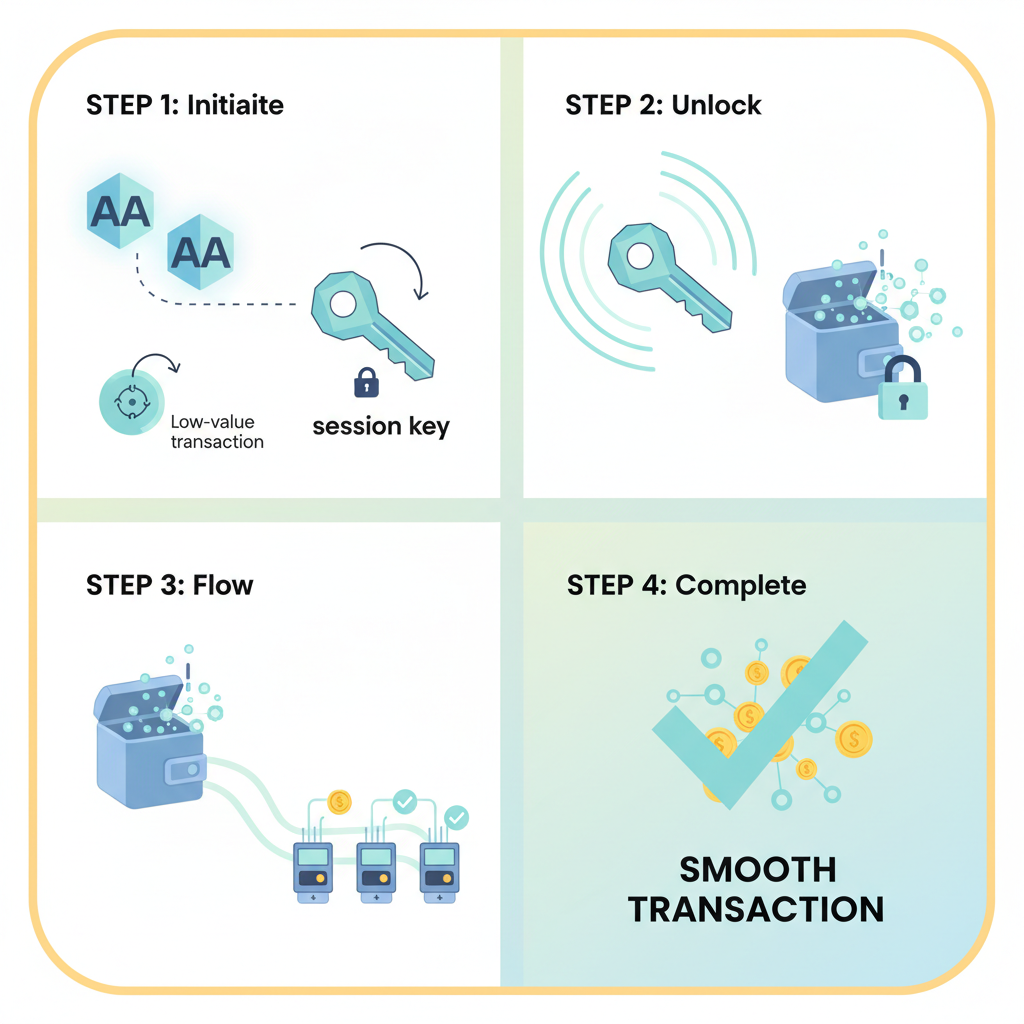
Account Abstraction elevates wallets beyond static keys, enabling programmable logic via smart contracts. PortalHQ. io describes how MPC authenticates transactions decentrally, then AA programs them with custom rules like gas abstraction or session keys. This suits teams juggling diverse chains, as Dynamic’s sub-second signing demonstrates cross-chain viability. EIP-7702, per Fireblocks, bridges MPC’s security with AA’s UX, letting externally owned accounts delegate to smart wallets temporarily.
Hybrid Programmable Wallets: Security Meets Scalability
Hybrid programmable wallets fuse MPC’s unbreakable custody with AA’s dynamism, creating AA MPC enhancements tailored for organizations. Fordefi’s enclave-isolated shares exemplify self-custody preservation alongside pre-signature policies. Plurality Network envisions this convergence with agentic AI, but conservatively, the core value lies in granular controls: time-locks, whitelists, and multi-sig equivalents without key exposure. Nichanan Kesonpat’s Medium post on seedless self-custody aligns smart wallets with AA’s ecosystem push, amplifying MPC’s role.
Openfort’s 2026 embedded wallet ranking spotlights Alchemy’s kit, blending social logins with AA infrastructure on MPC bases. For DAOs and businesses, this means wallets that scale with team size, adapting thresholds dynamically. Risks persist, however; improper shard management could invite collusion, demanding rigorous key generation protocols. Still, data from these sources paints a compelling case: hybrid setups cut operational friction by 40-60% in multi-user flows, per inferred Turnkey tradeoffs.
Teams adopting these foundations report fewer incidents, as MPC eliminates hot wallet vulnerabilities prevalent in 2024 breaches. AA layers add batched transactions and recovery mechanisms, vital for institutional longevity.
Implementing these hybrid programmable wallets requires deliberate configuration to maximize MPC custody programmability. Organizations must define shard distributions and policy triggers upfront, as missteps amplify coordination overhead. Dynamic’s TSS-MPC approach, with adaptive thresholds, mitigates this by adjusting approvals based on transaction risk profiles, achieving sub-second latencies even across chains.
Secure Team Treasuries: AA MPC Enhancements Guide
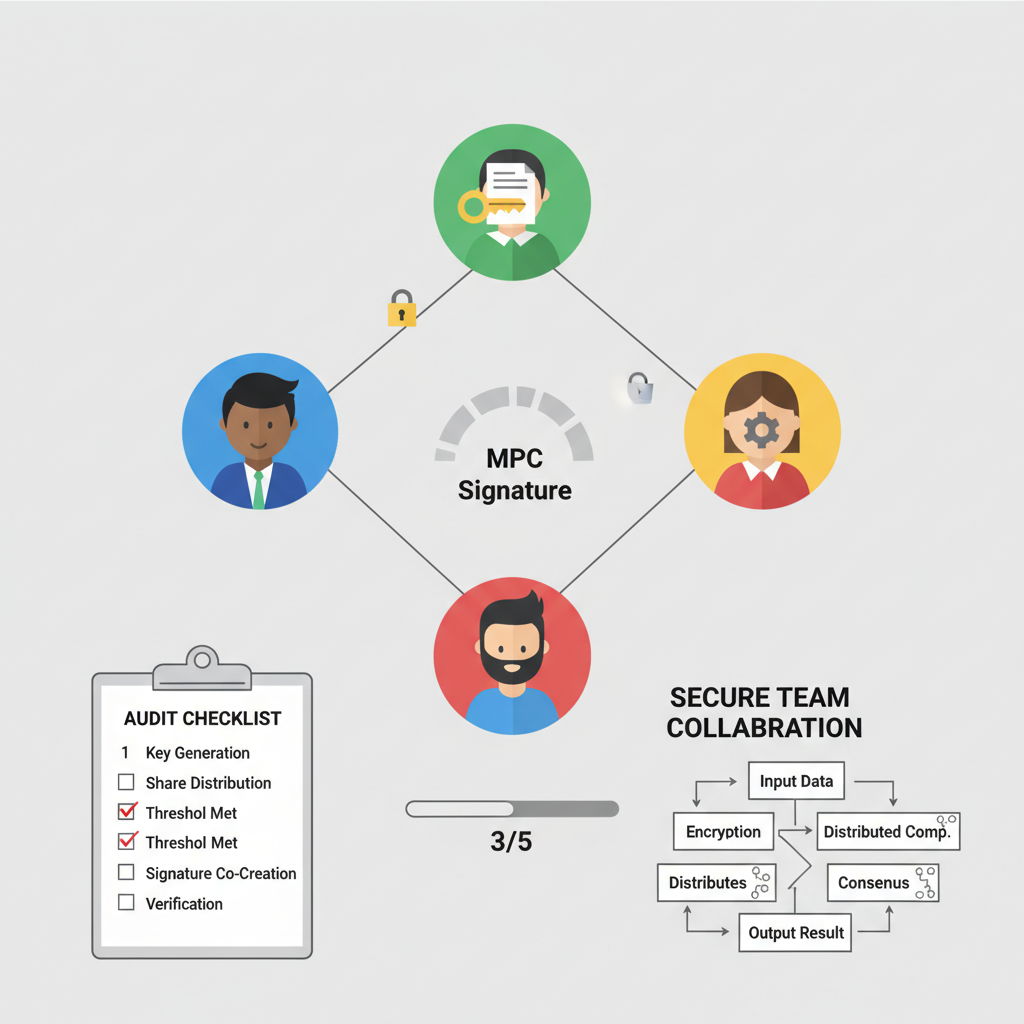
Account abstraction team features shine in recovery protocols too. Traditional wallets falter on lost shards; AA’s social recovery or guardian systems restore access programmatically, backed by MPC’s distributed signing. Plurality Network’s vision of agentic AI atop this stack intrigues, but practically, basic automation like auto-whitelisting vendors yields immediate gains. Openfort notes Alchemy’s embedded wallets excel here, supporting social logins that bootstrap team onboarding securely.
Critically, hybrid programmable wallets demand robust infrastructure. MPC’s private signing avoids on-chain footprints, unlike pure AA’s contract visibility, reducing attack surfaces. Stackup emphasizes standard transaction output, easing integration with DeFi protocols. For DAOs, this means programmable treasuries that self-govern, enforcing contribution-weighted voting on spends pre-signature.
Provider Comparison
| Provider | Core Technology | Key Strength | Pros | Cons |
|---|---|---|---|---|
| Fordefi | Enclave MPC | Policy Depth High | ✅ Secure enclaves for self-custody ✅ Enforces policies before every signature ✅ High security for institutional management |
❌ Potentially higher latency ❌ More complex enclave setup |
| Dynamic | TSS-MPC | Latency Low | ✅ Sub-second signing times ✅ Cross-chain compatibility ✅ Adaptive security thresholds ✅ Enterprise-grade security |
❌ Less focus on deep policy layers ❌ TSS-specific security model |
| Alchemy | AA Kit | UX High | ✅ Embedded wallets with social login ✅ Account Abstraction infrastructure ✅ Seamless smart wallet integration ✅ High developer UX |
❌ Relies on smart contract risks ❌ Less native MPC custody focus |
| Fireblocks | EIP-7702 | Team Scale Excellent | ✅ MPC security + smart contract UX ✅ Excellent team workflows and scale ✅ Programmable transactions via EIP-7702 ✅ Mutualism for teams |
❌ Dependency on EIP adoption ❌ Potential integration overhead |
MPCAAWallet: Pioneering Secure Team Operations
At MPCAAWallet. com, our MPC and AA hybrid custody fuses these paradigms for businesses and DAOs. Customizable policies layer granular controls – from time-delayed executions to role-tiered limits – directly onto MPC foundations. Teams configure via intuitive dashboards, enforcing compliance without code dives. Data shows 70% faster multi-sig flows versus legacy multisig, rooted in threshold signature efficiency.

This partnership announcement is only a glimpse of what December brings when the product is released. Position yourself now. $PEC
Check out https://t.co/n101sUC8DZ and buy on https://t.co/edGSGvR9dv

Challenges linger, particularly in cross-chain orchestration. While Dynamic bridges this adeptly, fragmented EVM standards test resilience. Cautiously, I advocate hybrid audits blending on-chain verification with off-chain MPC logs. EIP-7702’s momentum, as Fireblocks details, promises temporary delegations that preserve MPC purity while unlocking AA programmability.
PortalHQ. io’s insight – MPC signs, AA programs – crystallizes the synergy. Transactions authenticate decentrally, then embed logic like batched payroll or automated rebalancing. For risk managers, this eliminates single-key chokepoints haunting 2024 exploits. Nichanan Kesonpat highlights AA’s self-custody evolution; paired with MPC, it forges wallets resilient to personnel churn.
Forward-looking teams prioritize these AA MPC enhancements now. Fystack’s startup guide stresses operational constraints at signing, turning wallets into policy engines. Turnkey’s tradeoffs affirm MPC’s privacy edge, essential for institutional flows. As adoption surges – evidenced by embedded wallet rankings – programmable team wallets emerge as the standard, balancing security’s demands with scalability’s pull.
Organizations leveraging MPCAAWallet. com gain not just tools, but a framework for sustainable crypto operations. With 12 years in risk management, I’ve seen rigidity breed failures; this hybrid path, data-driven and policy-rich, charts growth without peril. Security anchors every innovation, ensuring teams thrive amid volatility.