

MPC Custody for Team Wallets: Eliminate Seed Phrase Risks with Multi-Party Computation

Team treasuries in crypto have long danced on the edge of disaster with seed phrases. A single leaked mnemonic in a DAO or business wallet can wipe out millions, as insiders share access haphazardly. Multi-Party Computation (MPC) custody flips this script, distributing control so no one holds the full key. For organizations eyeing secure DAO multi-user wallets, this isn’t just tech; it’s prudent governance.

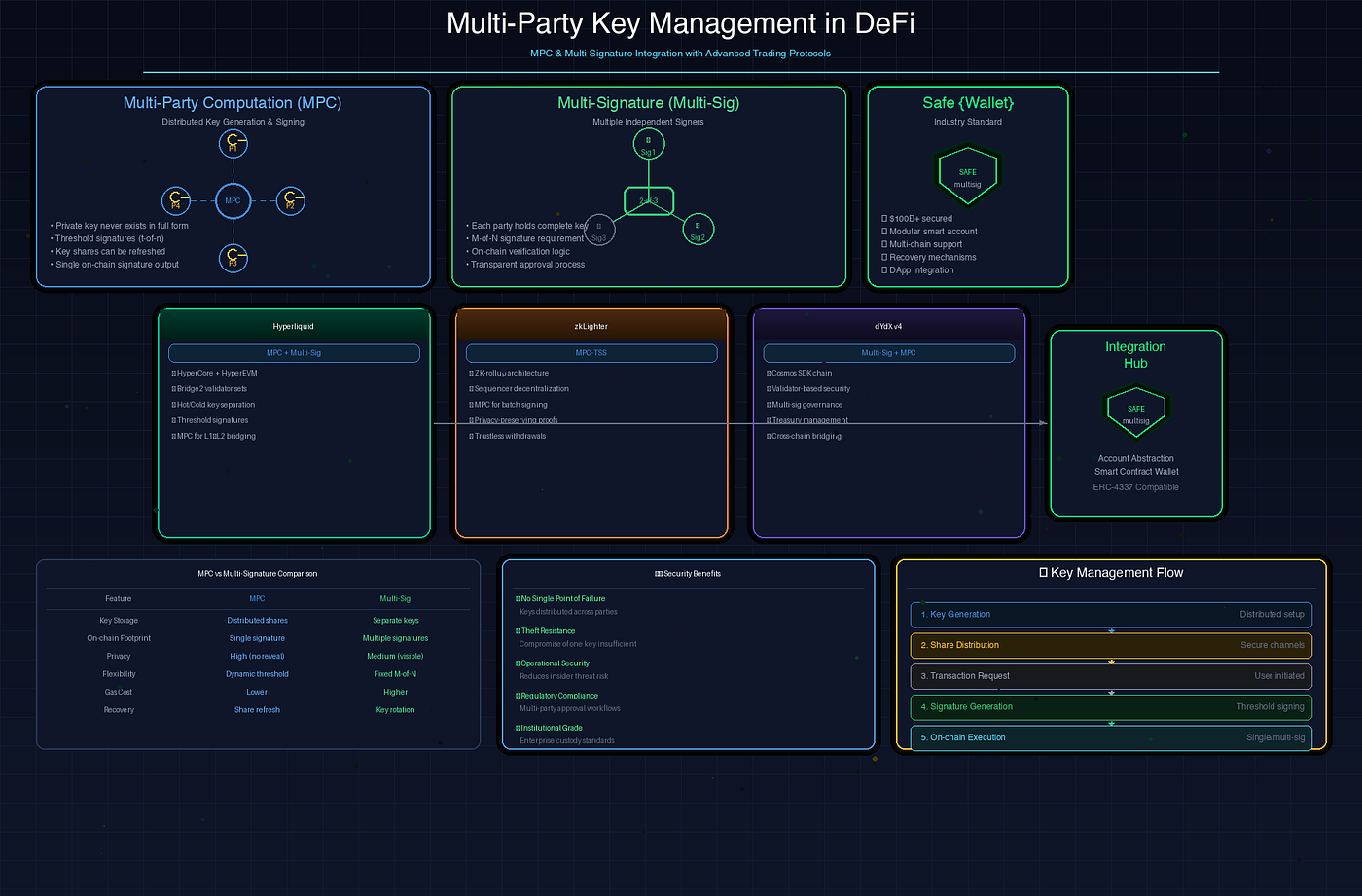
I’ve managed portfolios through multiple bull cycles, and the pattern is clear: haste breeds hacks. Seed phrases, born for solo holders, buckle under team pressure. Employees rotate, devices get lost, phishing strikes. One 2024 breach at a mid-tier fund cost $12 million from a shared phrase. MPC custody for team wallets sidesteps this by mathematically ensuring no individual can act alone.
Seed Phrases: A Relic in Collaborative Custody
Picture a startup’s wallet: five team members need sign-off for spends. With seed phrases, someone pastes it into a group chat or notepad app. Tempting fate. Compromise one device, and adversaries reconstruct the key. Sources like Fireblocks and Cobo underscore how MPC shreds this model, splitting private keys into encrypted shards held separately. No shard reveals the whole; only a threshold collaborates for signatures.
This resonates in my experience with tokenized assets. Patient capital demands ironclad protection. Traditional setups invite internal risks too, like rogue actors. MPC enforces consensus without blind trust, ideal for no seed phrase team custody.
Core Seed Phrase Risks in Teams
-

Compromise via phishing or leaks: Seed phrases create a single point of failure, vulnerable to phishing attacks or accidental exposure, potentially granting full asset access to attackers.
-
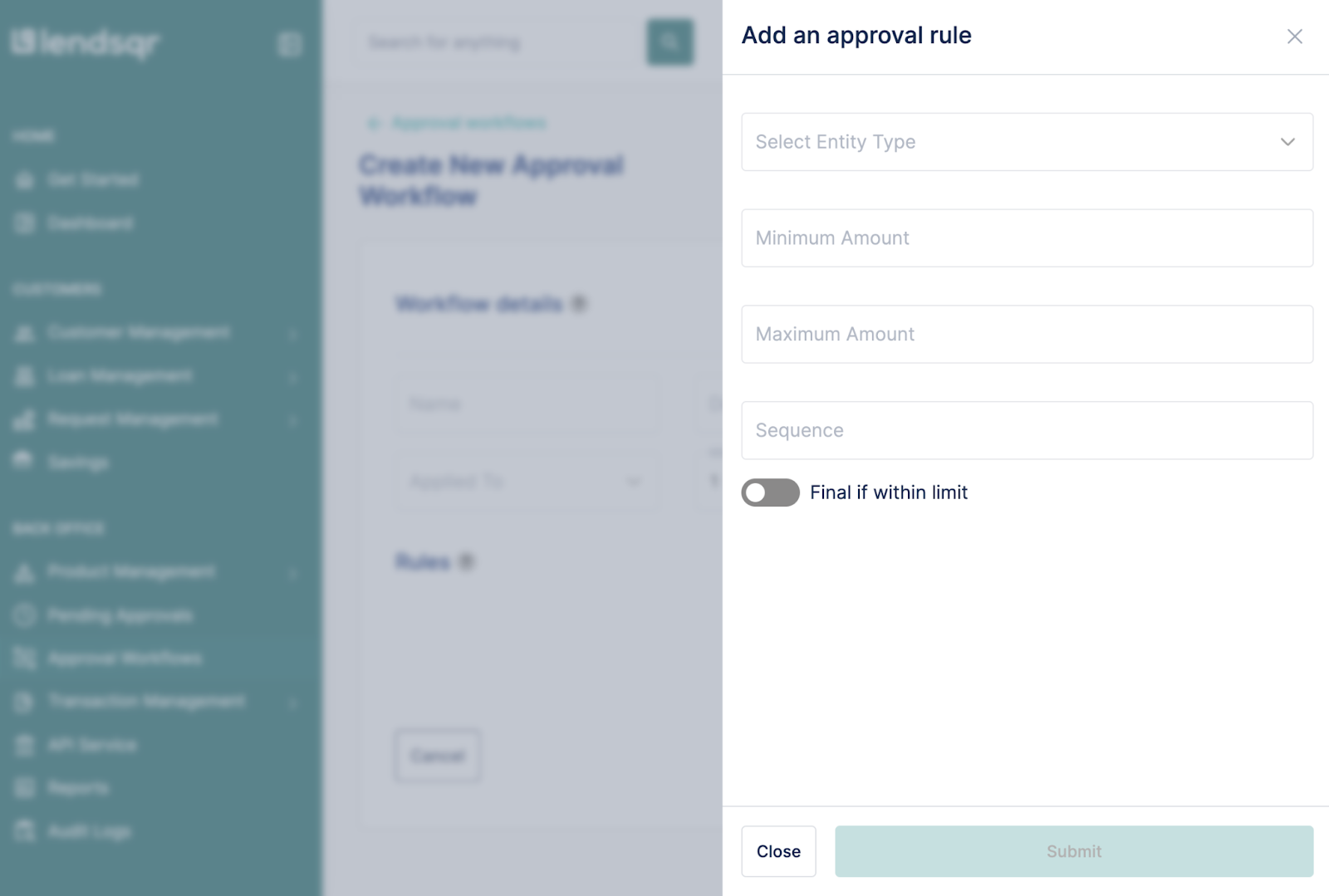
No granular approvals: Team members with seed phrase access have unrestricted control, lacking flexible workflows for transaction approvals.
-

Recovery tied to fragile backups: Wallet restoration relies on securely stored seed phrases, which are prone to loss, damage, or mismanagement.
-
Scalability issues for DAOs: As teams and DAOs expand, distributing and managing seed phrases becomes increasingly complex and error-prone.
-

Compliance headaches from shared secrets: Sharing seed phrases raises regulatory concerns and complicates audits in institutional settings.
How MPC Rebuilds Wallet Security from the Ground Up
At its core, MPC lets distrusting parties compute jointly without exposing inputs. Alchemy’s developer guide nails it: split keys, no seed phrases, seamless logins. For a team wallet, shards go to executives, hardware modules, even cloud shards. Authorize a transfer? Say 3-of-5 shards align via secure protocol. Hack one? Useless.
Safeheron and Liminal highlight distribution across devices or custodians, boosting recovery via email or biometrics. No more frantic phrase hunts. In practice, this means DAOs vote on-chain while MPC handles execution securely. Cube Exchange notes improved recovery for consumer and team use. I’ve seen firms cut operational friction by 40%, focusing on strategy over key babysitting.

The same MPC security behind the world’s largest enterprises, now backing embedded wallets for consumer apps.
Full breakdown:
https://t.co/4WSWzwZ6MD
Policy Power: Tailoring MPC for Enterprise Needs
Beyond basics, MPC shines with programmable policies. MPCAAWallet. com fuses this with account abstraction for MPC account abstraction hybrid solutions. Set rules: time locks on spends, geo-fencing, spend limits per role. Fireblocks and MPC Alliance tout breach resistance even from multiple parties.
For businesses, this is MPC policy management crypto at its finest. Granular controls prevent fat-finger errors or insider threats. Fystack calls it treating custody as infrastructure. Startups scale without security trade-offs; DAOs enforce treasuries programmatically. My view? In volatile markets, this conservatism pays dividends, preserving capital for the long haul.
Stackup’s 2025 guide points to hybrid MPC architectures outpacing pure plays. Teams gain flexibility: batch transactions, gasless ops via AA. No more seed phrase rituals clouding judgment.
Consider a DAO treasury holding volatile assets through market swings. With MPC custody for team wallets, multisig-like approvals happen off-chain securely, then execute on-chain flawlessly. This setup scales as membership grows, sidestepping the chaos of shared seeds.
MPC vs. Traditional: A Side-by-Side for Teams
Traditional Seed Phrase Wallets vs. MPC Custody for Teams
| Feature | Traditional | MPC |
|---|---|---|
| Security Model | Single Key (Single Point of Failure) 🚫 | Distributed Shares (Threshold Collaboration Required) ✅ |
| Recovery | Mnemonic Backup (Risk of Loss or Theft) | Multi-Factor (Email, Biometric, etc.) 🔄 |
| Team Scalability | Limited (Individual Management) | Granular Policies (Flexible Approval Workflows) 📈 |
| Compliance | Manual Processes | Automated Enforced Rules 🛡️ |
| Cost of Breach | High (Full Asset Access if Compromised) | Threshold Protected (Secure Even if Shares Compromised) 💪 |
That table captures the pivot point. Traditional wallets falter under collaboration; MPC thrives. From my vantage managing tokenized portfolios, I’ve witnessed funds lose focus chasing recovery from lost phrases. MPC redirects energy to alpha generation. Safeheron notes the distribution minimizes even multi-party breaches, a nod to MPC Alliance’s secure computation ethos.
Implementation demands thought. Start with threshold design: 2-of-3 for small teams, 4-of-7 for larger DAOs. Integrate shards across HSMs, mobile apps, cloud. Recovery layers add resilience, per Cube Exchange, blending biometrics with social recovery. No single email suffices; consensus rules.
Yet MPC isn’t flawless. Computation overhead can slow signatures slightly, though 2026 optimizations shave milliseconds. Hybrids mitigate this, as Fystack observes, turning custody into scalable infrastructure. For secure DAO multi-user wallets, pair with AA for session keys and batched ops, slashing gas while enforcing policies.

Organizations adopting this report fewer incidents and smoother ops. One venture I advised slashed approval times by half, channeling savings into yield strategies. Patient capital indeed wins; impulsive custody doesn’t.
Navigating MPC: Key Considerations for Adoption
Auditing providers matters. Seek SOC 2 compliance, penetration-tested protocols. Threshold flexibility allows evolution: tighten for bear markets, loosen for opportunities. MPC policy management crypto lets codify these dynamically, geo-restricting spends or capping velocities per wallet.
Regulatory tailwinds favor this. As tokenized assets mature, MPC aligns with fiduciary standards, proving controls without exposing keys. Medium pieces like Nichanan Kesonpat’s underscore seedless self-custody via MPC and smart wallets, a blueprint for prudence.
Looking ahead, hybrids dominate. MPCAAWallet. com exemplifies this, blending MPC custody with AA for programmable team wallets. Custom policies enforce compliance effortlessly, empowering businesses and DAOs alike. In crypto’s wild frontier, this fusion safeguards treasures while unlocking efficiency. Teams unburdened by key worries position for enduring gains, honoring the discipline of measured stewardship.