

Hybrid MPC Account Abstraction Wallets for DAO Team Custody and Compliance Policies

Decentralized Autonomous Organizations (DAOs) face a persistent tension between decentralization ideals and the practical demands of secure treasury management. Traditional single-key wallets expose funds to catastrophic risks, while multi-signature setups introduce friction and on-chain vulnerabilities. Enter hybrid MPC account abstraction wallets, a fusion that distributes cryptographic control via multi-party computation (MPC) while embedding programmable logic through account abstraction (AA). This approach treats custody as programmable infrastructure, enabling DAOs to enforce granular compliance policies without sacrificing operational agility.

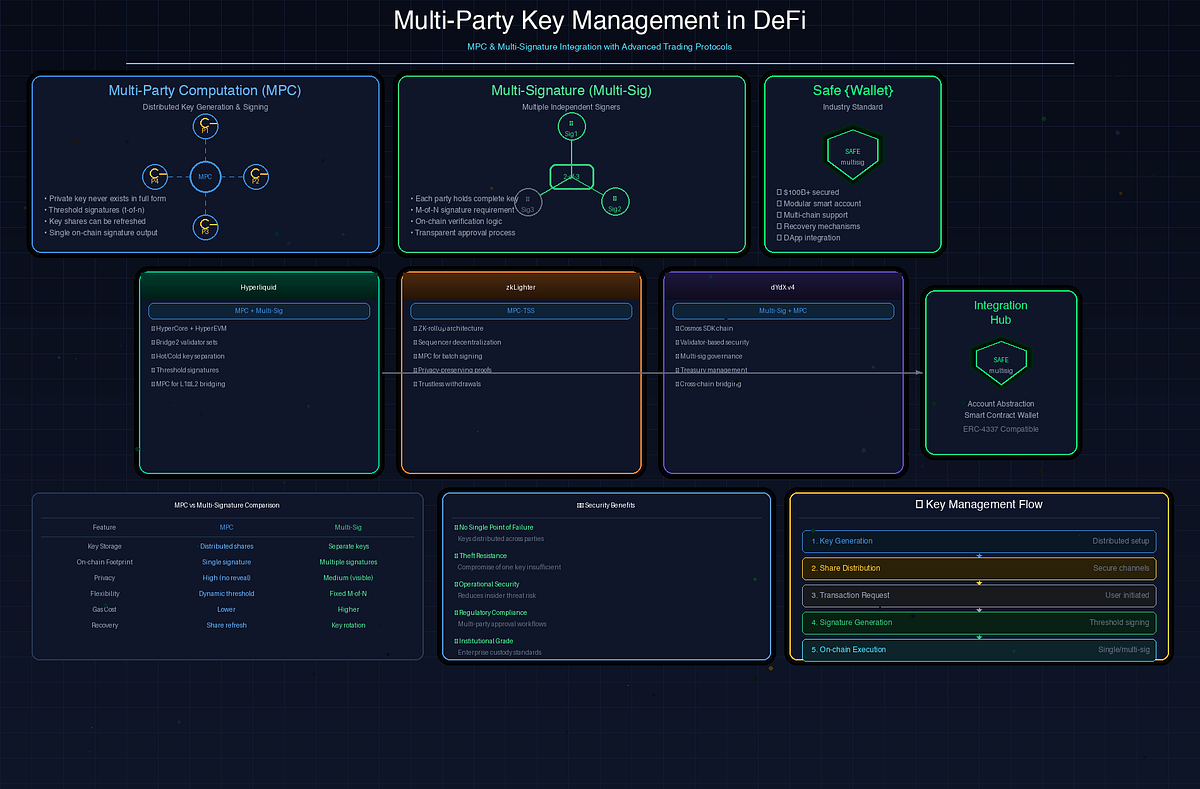
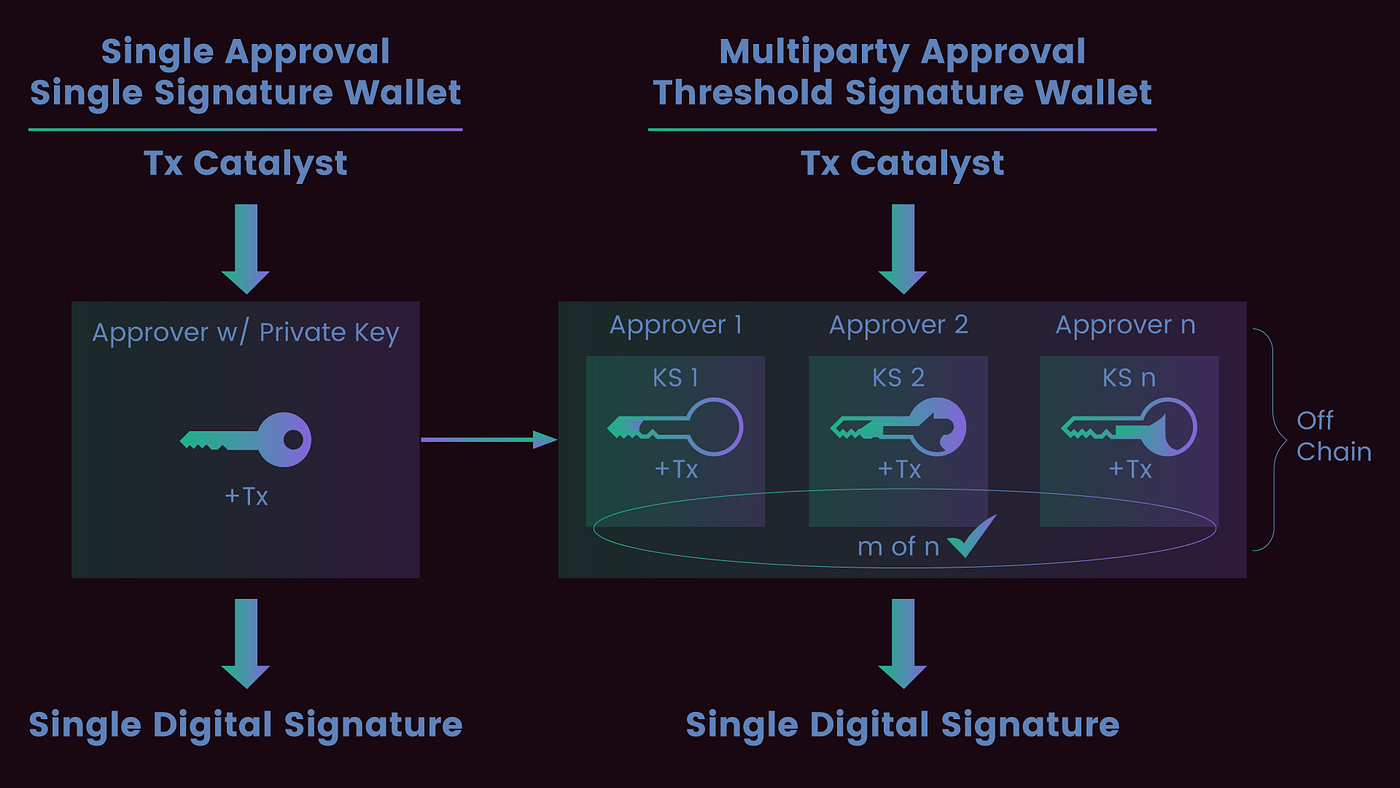
MPC wallets redefine private key management by sharding signing authority across multiple parties or devices. No single entity holds the full key, mitigating insider threats and external breaches. As outlined in industry analyses, MPC eliminates the single point of failure inherent in legacy custody models. For DAOs, this means treasuries can withstand partial compromises, with threshold schemes requiring, say, 3-of-5 approvals before any outflow.
MPC Foundations: Threshold Signatures for Resilient Team Custody
In a MPC custody for DAOs setup, private keys never materialize in full. Instead, participants compute partial signatures collaboratively over secure channels, reconstructing valid transactions only upon quorum achievement. This cryptographic dance leverages protocols like GG18 or Lindell-Fullenkamp, proven in production by custodians handling billions. Unlike multi-sig, which broadcasts public keys on-chain and invites quantum scrutiny, MPC operates off-chain, preserving stealth and efficiency.
Consider a DAO treasury holding diverse assets across chains. MPC enables seamless cross-chain operations without exposing keys to hot environments. Sources emphasize MPC’s role in scalable self-custody, with recoverability features like key share rotation or social recovery. For teams, this translates to secure multi-user crypto wallets where signers rotate dynamically, audited via tamper-proof logs.
Account Abstraction: Encoding Compliance into Smart Wallets
Account abstraction elevates wallets from passive vaults to active policy engines. ERC-4337 compliant AA wallets treat user operations as bundler-submitted transactions, validated by custom paymasters and hooks. For DAOs, this means account abstraction team wallets can reject non-compliant actions pre-signature: spending caps at 5% of treasury per tx, whitelisted recipients only, or mandatory timelocks for high-value moves.
Core Benefits of AA in Hybrid MPC Wallets
-
Enhanced Security and Resilience: MPC distributes private key shares among parties, eliminating single points of failure; AA enforces rules like spending limits, whitelists, and time locks to block unauthorized transactions.
-
Granular Policy Enforcement: AA embeds DAO policies on-chain, including role-based access controls, transaction limits, time locks, and address whitelisting/blacklisting for governance compliance.
-
Improved Compliance and Auditability: MPC ensures no unilateral control while AA implements on-chain policy engines for transparent, auditable transactions meeting regulatory standards.
-
Operational Tiers: Tiered custody—Treasury (cold) for long-term holdings, Operations (warm) for routine txs with limits, Experiment (hot) for minimal balances—optimizes DAO treasury management.
Layering AA atop MPC creates an untouchable barrier. Even if MPC signers collude below threshold, the AA contract vetoes via on-chain rules. This synergy addresses DAO pain points, from rug-pull risks to regulatory scrutiny. Operational efficiency shines in tiered architectures: cold MPC treasuries for HODL, warm AA ops wallets with maker-checker flows, and hot experiment pockets firewalled by limits.
Granular Policies: From Whitelists to Role-Based Controls
DAO governance thrives on programmable policies. Hybrid setups allow MPC policy management where AA modules enforce role-based access: contributors propose, quorums approve via MPC, and validators check compliance. Blacklists block sanctioned addresses; daily limits curb impulse drains. Auditability flows naturally, with every userOp hashed immutably, simplifying KYT integrations.
Regulatory tailwinds bolster adoption. Frameworks like VARA and SEC proposals demand robust key practices, which MPC-AA satisfies natively. DAOs sidestep custodial intermediaries, retaining sovereignty while meeting compliance mandates. In practice, this halves approval times versus Gnosis Safe multi-sig, per operational benchmarks, without inflating gas fees.
Real-world deployments validate this edge. DAOs managing multi-million treasuries report 40% faster workflows with hybrid setups, blending MPC’s off-chain efficiency with AA’s on-chain verifiability. Platforms delivering hybrid MPC AA wallets stand out by fusing these primitives into turnkey solutions, complete with policy dashboards for non-technical governors.
Tiered Custody: Architectures Tailored for DAO Treasury Security
Effective DAO treasury custody demands segmentation. A proven three-tier model allocates funds by risk profile: cold storage MPC vaults for 80-90% of assets, locked behind high thresholds and air-gapped protocols; warm operational wallets leveraging AA for daily spends, capped at 1-5% treasury value with dual approvals; and hot experimental slots for dApp interactions or claims, firewalled to pennies. This mirrors enterprise practices, minimizing blast radius while enabling velocity.
Three-Tier DAO Custody Model
| Tier | Purpose | MPC/AA Features | Example Limits |
|---|---|---|---|
| Treasury (Cold) | Long-term HODL | High-threshold MPC and timelocks | 3-of-7 min, >24h delay |
| Operations (Warm) | Routine txs | AA policies and MPC signing | $10K daily cap, whitelists |
| Experiments (Hot) | Tests/airdrops | Low-balance AA hooks | $100 max, auto-reset |
AA’s bundler layer further optimizes, batching userOps to slash gas while enforcing policies atomically. MPC signers, often device-bound for contributors, trigger only on validated ops, curtailing fat-finger errors or malice. Recoverability trumps multi-sig’s rigidity: shard backups via Shamir secrets or social guardians restore quorum sans seed phrases.

Workflows in Action: Maker-Checker with Programmable Guardrails
Picture a proposal hitting Snapshot: treasury lead crafts a userOp with recipient, amount, calldata. AA preflight checks whitelist, cap, and governance link. Quorum MPC shards sign in parallel over encrypted tunnels, yielding a threshold signature. Bundler submits; contract executes or reverts transparently. Auditors query indexed events for KYT flags, all without central chokepoints.
Key Secure Wallet Workflows
-
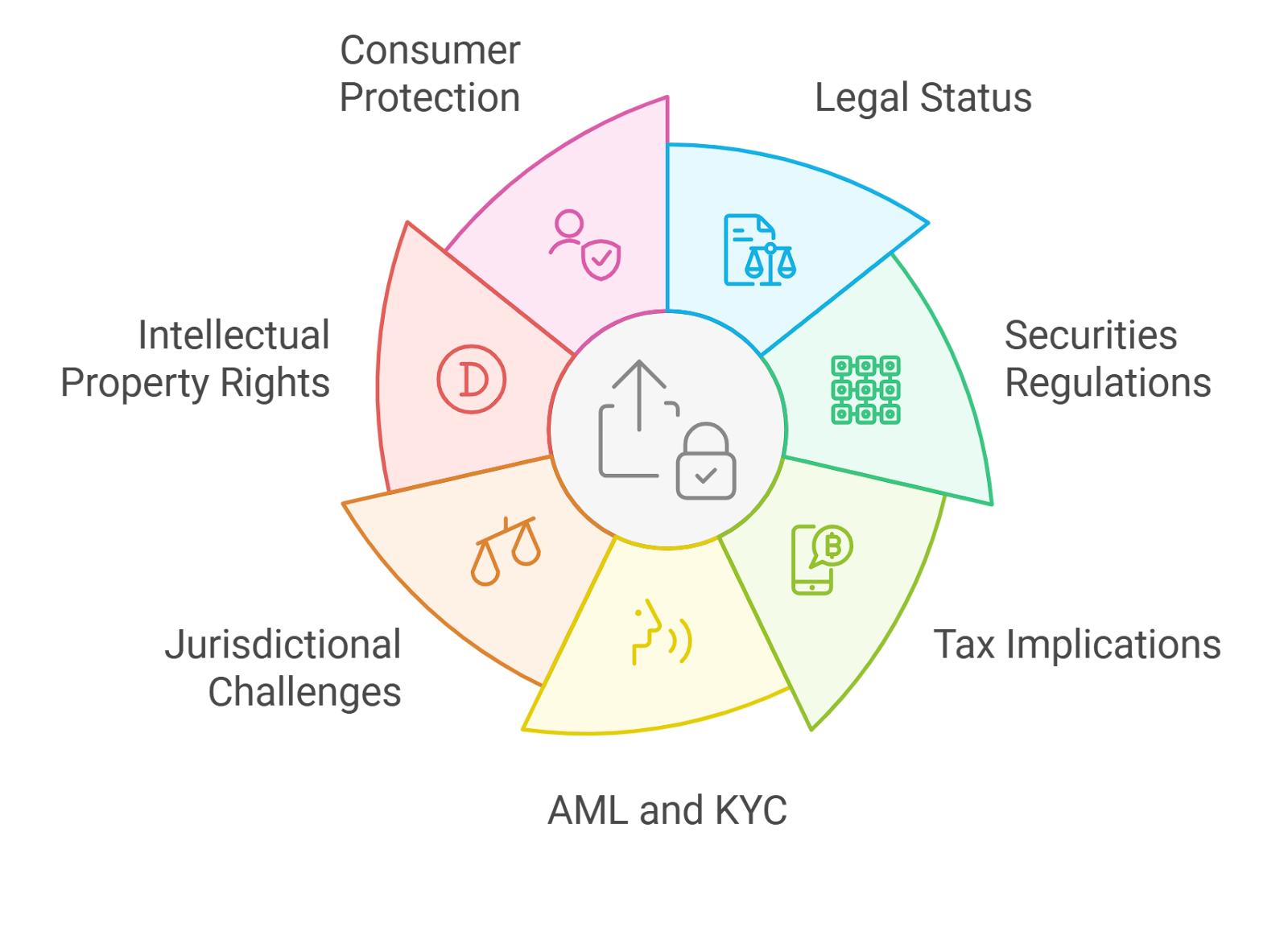
Proposal Validation: Proposals are checked against DAO policies like spending limits, whitelists, and time locks via AA smart contracts before signing.
-
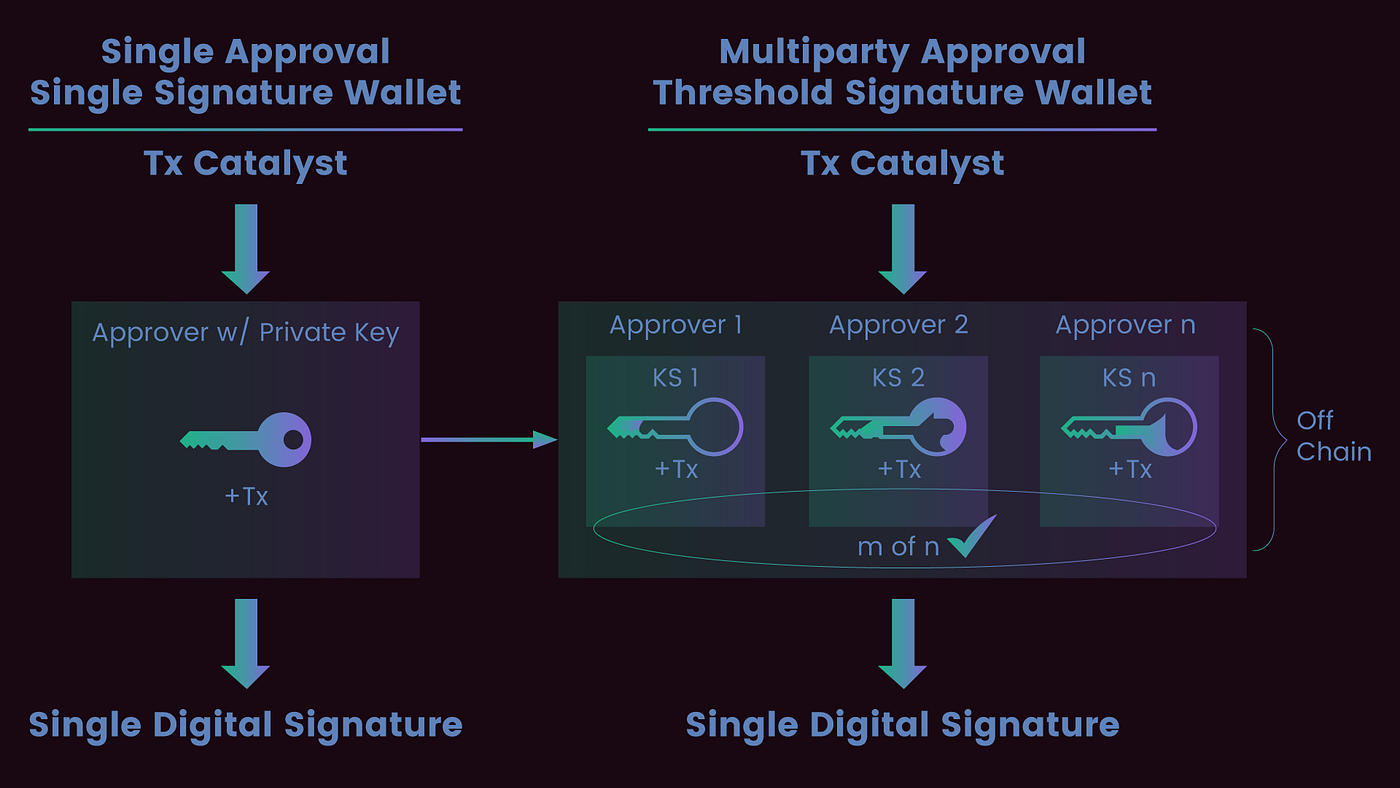
MPC Quorum Signing: Distributed key shares among team members achieve threshold quorum using MPC protocols, preventing single-point failures.
-
AA Compliance Hooks: Account Abstraction embeds hooks for role-based access, transaction limits, and blacklisting enforced on-chain pre-execution.
-
Post-TX Auditing: Transactions are logged and audited on-chain for compliance, with transparent verification of MPC signatures and policy adherence.
-
Policy Rotations: Periodic updates to custody policies, key shares, and thresholds via MPC and AA to maintain security and regulatory alignment.
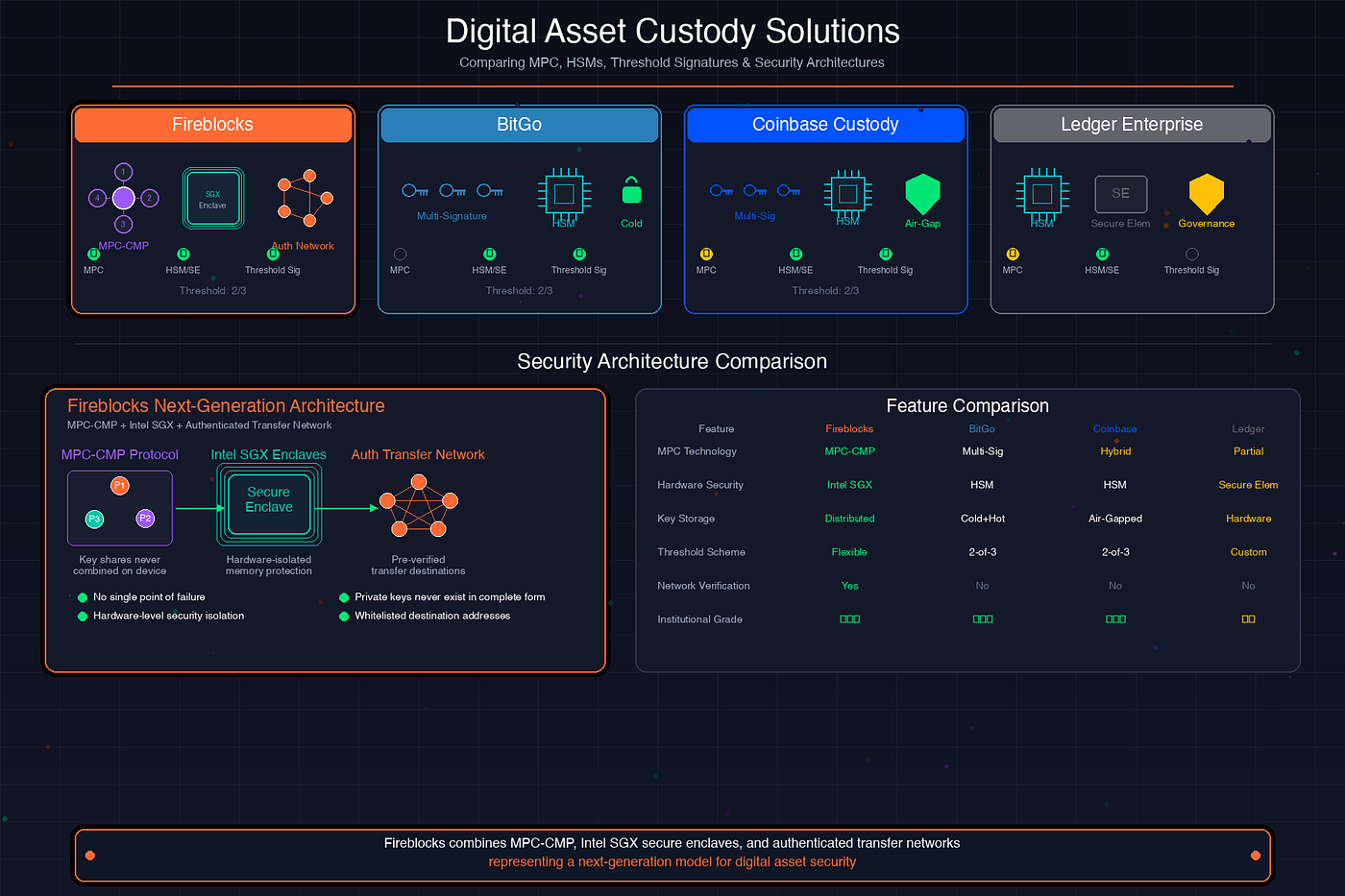
This isn’t theoretical. Benchmarks from custodians like Fireblocks and Cobo highlight MPC’s scalability to thousands of signers, outpacing multi-sig’s n-of-m bottlenecks. For business MPC wallets, integration with oracles adds dynamic policies: pause on volatility spikes or route via DEX aggregators for best execution.
MPC vs. Legacy: Why Hybrids Outpace Multi-Sig in 2026
Multi-sig, once king, falters under scrutiny. On-chain pubkeys leak metadata; quantum threats loom; approvals cascade slowly. MPC-AA hybrids sidestep these: stealthy signing, quantum-resistant curves, sub-minute finals via bundlers. Compliance? AA’s hooks embed AML natively, flagging via Chainalysis feeds pre-execution.
Challenges persist, sure. MPC protocols demand trusted setups; AA gas can spike on complex hooks. Mitigations abound: audited TSS libraries like ZenGo’s, optimized paymasters, and hybrid modes toggling AA for L1/L2. Forward thinkers rotate shards quarterly, simulating breaches in canary wallets.
Charts confirm the trend: adoption curves for MPC custody mirror Bitcoin’s post-halving resilience, climbing as hacks dwindle. DAOs wielding these tools don’t just custody; they orchestrate. With MPCAAWallet. com’s policy engines, teams craft bespoke defenses, turning treasury risks into competitive moats. The fusion isn’t hype, it’s infrastructure for the decentralized enterprise era.