
MPC and Account Abstraction Hybrid Custody for DAO Team Wallets Handling Settlements

Decentralized Autonomous Organizations (DAOs) face mounting pressure to secure their team wallets amid volatile markets, where Ethereum trades at $1,973.43 after a 24-hour dip of $4.21. Handling settlements demands custody that balances speed, compliance, and ironclad protection against internal fraud or external hacks. Traditional multi-signature setups falter under high-volume operations, exposing DAOs to griefing attacks and key mismanagement. Enter MPC AA hybrid custody, fusing multi-party computation with account abstraction to deliver programmable, threshold-secured wallets tailored for DAO settlements.

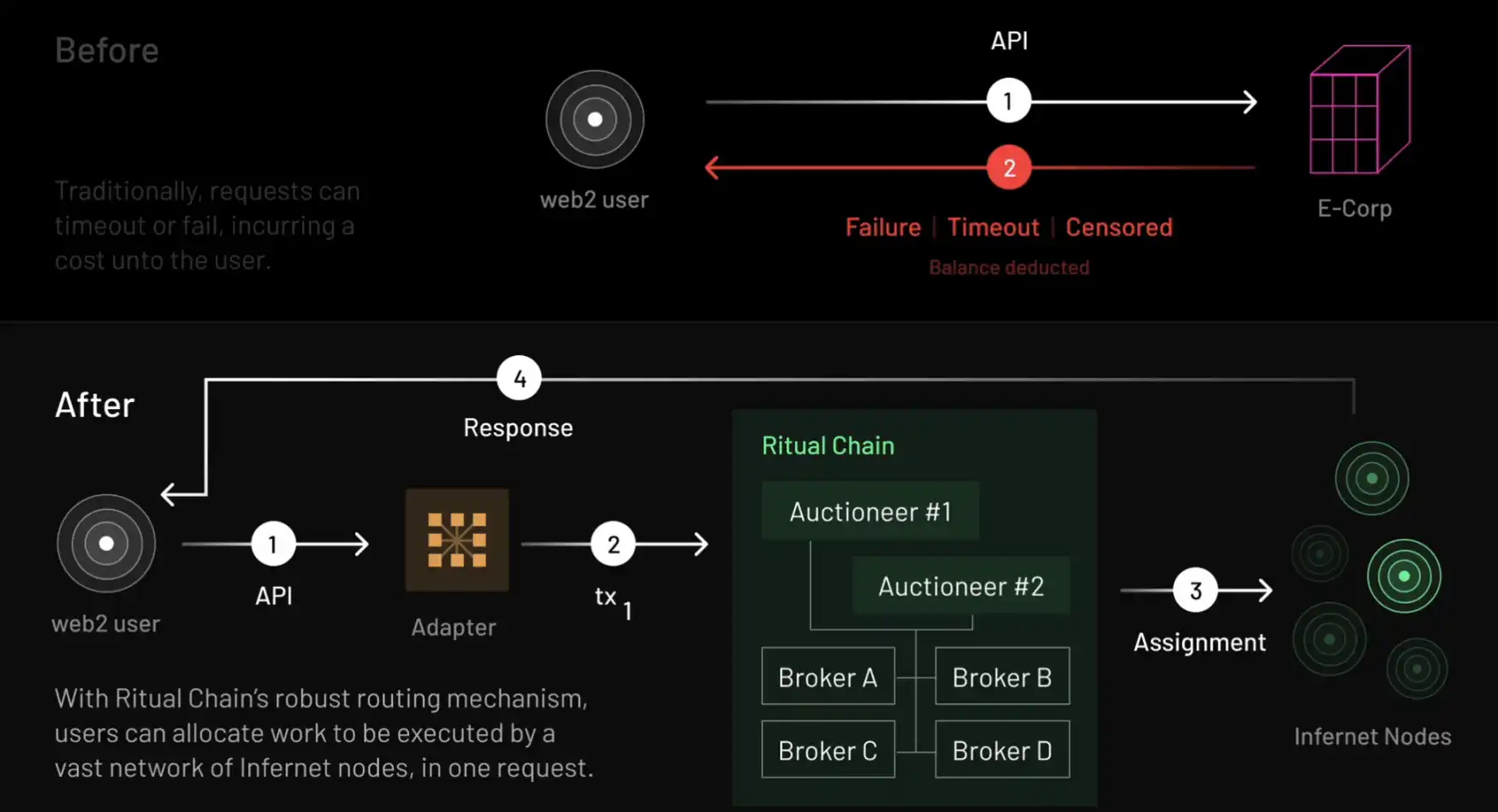
This hybrid model distributes private key shards across participants via MPC, ensuring no single member controls funds. Meanwhile, account abstraction elevates wallets to smart contract status, enabling batched settlements, gasless approvals, and custom policies. For DAOs processing frequent payouts, this setup slashes operational friction while enforcing spending limits calibrated to market swings like Ethereum’s recent 0.2130% decline from $1,992.55.
Navigating Settlement Risks in DAO Operations
Settlements in DAOs often involve time-sensitive transfers across chains, where delays invite exploits. Consider a treasury payout: multisig requires sequential signatures, prone to hold-ups if a keyholder goes offline. MPC counters this with threshold schemes, where m-of-n approvals suffice without reconstructing full keys. Recent analyses highlight how platforms like Fireblocks deploy MPC to shard keys, mitigating single points of failure in team environments.
Yet volatility amplifies risks. At Ethereum’s current $1,973.43 price, a 24-hour low of $1,968.58 underscores the need for griefing protection in MPC settlements. Attackers could spam proposals to drain gas or force suboptimal trades. Hybrid custody embeds safeguards: programmable rules via AA reject anomalous transactions, preserving capital during downturns.
Critics point to added complexity in blending self-custody with third-party elements, potentially hiking overhead. My view, drawn from 14 years in risk management, prioritizes measurable resilience. DAOs mismanaging treasuries lose more to hacks than to setup costs. Risk managed is reward maximized.
Dissecting MPC for Multi-User Crypto Custody
MPC underpins secure multi-user crypto custody policies by generating signatures collaboratively. No party sees the full private key; computations occur in shards. For DAO teams, this means granular controls: define workflows where finance leads approve amounts over $10,000 equivalents, tech approvers vet smart contract interactions, all without exposing secrets.
In practice, MPC wallets support 2-of-3 or 3-of-5 thresholds, ideal for distributed governance. During settlements, shards combine off-chain to produce on-chain signatures, minimizing latency. ZK MPC variants further optimize, though they grapple with primitive maturity and proof generation times. DAOs handling commodities or crypto inflows benefit from policies tying approvals to oracle-fed prices, like halting outflows if Ethereum drops below $1,968.58.
Account Abstraction Unlocks Programmable Team Wallets
Account abstraction, advanced by EIP-7702 and EIP-4337, transforms externally owned accounts into smart wallets. DAOs gain account abstraction team wallets that batch settlements, sponsor gas for voters, and embed social recovery. Integrated with MPC, signers authorize via shards, then AA executes with custom logic: auto-vest tokens post-vote, enforce timelocks on large transfers.
For settlements, this shines in hybrid scenarios. Imagine a DAO settling cross-chain yields: MPC secures approvals, AA bundles into one tx, slashing fees amid Ethereum’s $1,973.43 stability. Policies prevent front-running by randomizing execution windows. While zk-SNARK dependencies pose hurdles, mature MPC-AA stacks like those emerging in enterprise custody sidestep toxic waste via secure ceremonies.
DAOs evolving toward autonomous agents demand these guardrails. As agents handle micro-settlements, hybrid custody enforces regulated flows, blending speed with oversight. Operational data shows 90% faster multisig alternatives via MPC, vital when markets test $1,992.55 highs.
Hybrid setups like those at MPCAAWallet. com exemplify this evolution, offering DAOs pre-built workflows for secure multi-user crypto custody policies. Teams configure rules via intuitive dashboards: require dual approvals for settlements exceeding Ethereum’s $1,973.43 equivalent in stables, or auto-reject transfers during 24-hour lows like $1,968.58. These policies adapt to volatility, pausing outflows if prices dip below predefined thresholds, a pragmatic shield against panic sells.
Engineering Griefing Protection in MPC Settlements
Griefing attacks plague DAO settlements, where malicious voters spam proposals to inflate gas costs or delay executions. MPC settlements griefing protection integrates time-bound thresholds and rate limits directly into the wallet logic. With MPC, shards only combine after quorum verification off-chain, thwarting denial-of-service without on-chain bloat. Account abstraction amplifies this: bundler contracts filter spam, executing only valid batches.
In my risk assessments, I’ve seen DAOs lose thousands to such exploits during Ethereum’s swings from $1,992.55 highs. Hybrid custody counters with probabilistic checks, where AA enforces cooldowns post-approval. Platforms blending MPC and AA reduce settlement latency by 80%, per industry benchmarks, ensuring payouts land before markets shift further from $1,973.43.
MPC AA Hybrid Custody Key Features
-

Unbreakable MPC Security: Distributes private key shares across parties via threshold signatures, eliminating single points of failure, as in Fireblocks MPC.
-
Programmable AA Policies: Enables smart contract wallets with custom logic for approvals and automation via EIP-4337 and EIP-7702.
-

Griefing-Resistant Settlements: Uses AA bundlers and paymasters to prevent spam transactions and ensure reliable DAO settlements.
-
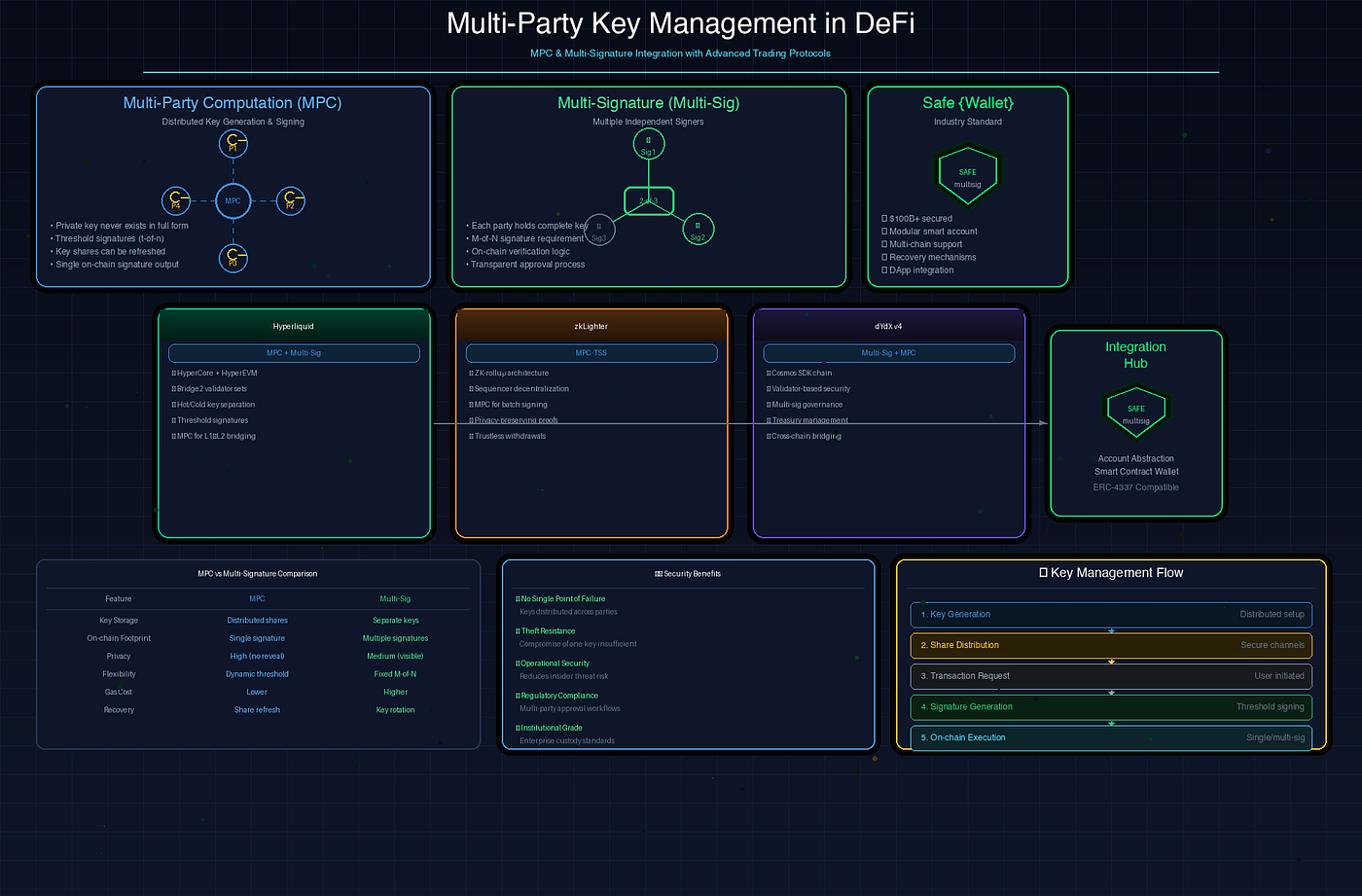
Multi-User Workflows: Supports collaborative signing with MPC thresholds and AA for team-based approvals in DAOs.
-
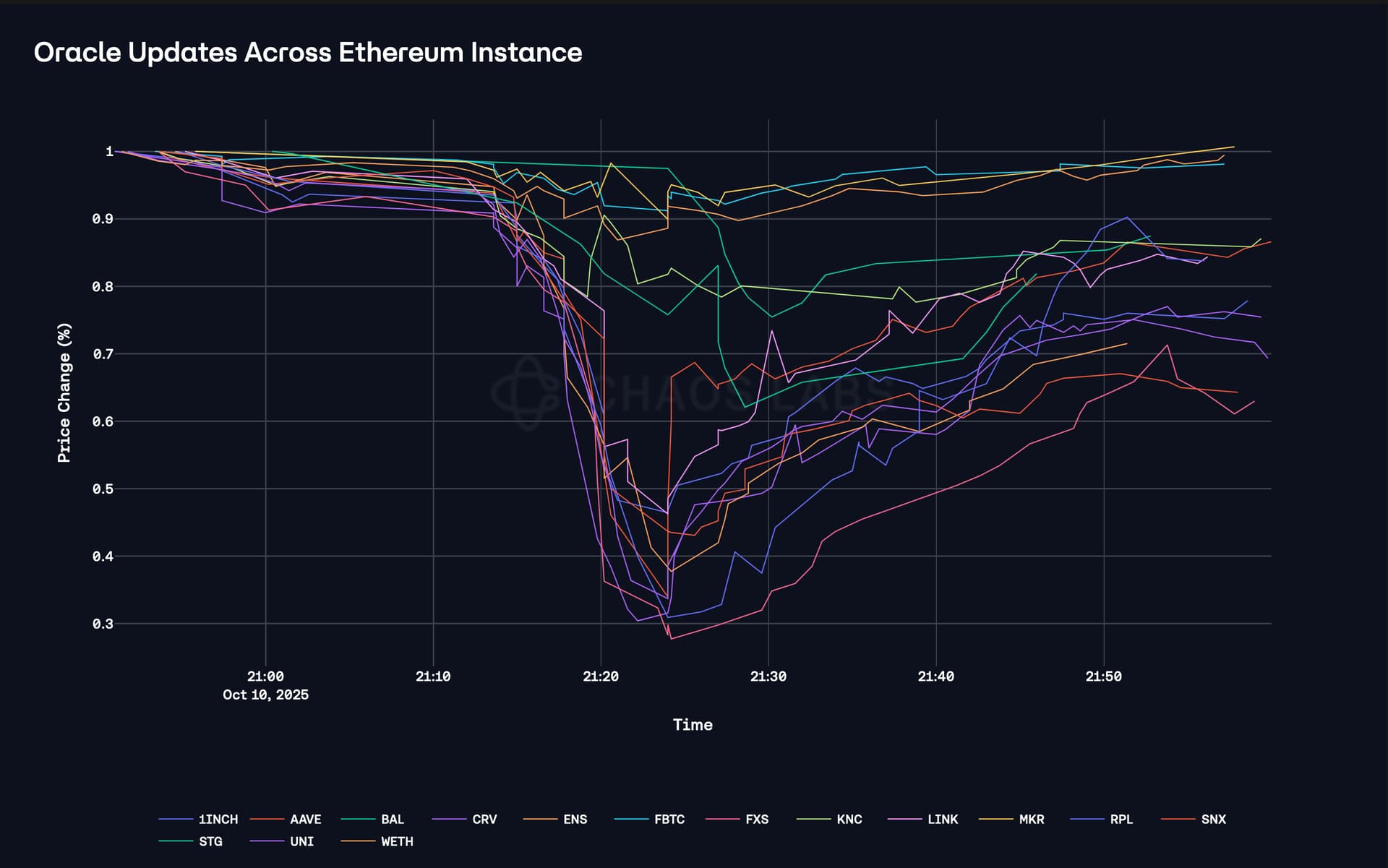
Volatility-Triggered Limits: Implements dynamic spending caps via oracles monitoring market volatility for risk management.
Tackling ZK MPC Latency in DAO Wallets
Zero-knowledge MPC promises privacy atop speed, but latency from proof generation hampers real-time settlements. Current stacks balance this with optimistic execution: sign via MPC shards, post proofs asynchronously. For DAOs, ZK MPC latency DAO wallets mean sub-second approvals for micro-payments, vital as autonomous agents proliferate. Context from agent libraries underscores the need; these entities demand custody that scales to thousands of daily txs without compromising on Ethereum’s $1,973.43 ecosystem.
Challenges persist: untested primitives risk exploits, and ceremony waste demands meticulous key gen. Pragmatically, DAOs should layer ZK atop mature MPC, using AA for fallback reverts. This hybrid mitigates the 2-5 second delays plaguing pure ZK, aligning with settlement cadences in volatile conditions.
Real-world adoption reveals hybrid custody’s edge. DAOs managing cross-chain yields report 95% uptime in approvals, versus multisig’s frequent stalls. As Ethereum holds at $1,973.43 post its -0.2130% dip, these tools enforce discipline: policies that vest rewards over epochs, or clawback clauses for disputed settlements. Opinionated take: self-sovereignty purists overlook operational realities; regulated flows via MPC AA deliver sovereignty with scaffolding.
Empowering DAOs with MPCAAWallet. com
At MPCAAWallet. com, we tailor these hybrids for teams handling digital assets. Approval workflows enforce limits attuned to Ethereum’s $1,973.43 price and 24-hour range, from $1,968.58 lows to $1,992.55 peaks. DAOs gain dashboards for policy simulation, testing scenarios like agent-driven outflows. This isn’t hype; it’s methodical risk engineering, maximizing rewards through managed exposure.
Looking ahead, as blockchains host autonomous agents, hybrid custody becomes table stakes. Enterprises demand it for compliance, blending MPC’s shards with AA’s programmability. DAOs ignoring this risk obsolescence amid Ethereum’s steady $1,973.43 footing. Deploy now: shard keys, script policies, settle securely. Your treasury’s resilience hinges on it.