
MPC AA Hybrid Custody for DAO Teams: Custom Policies and Secure Multi-User Wallets

In the high-stakes world of decentralized autonomous organizations, where collective decisions drive multimillion-dollar DeFi plays, securing team wallets isn’t just smart, it’s survival. DAOs face relentless threats: insider risks, hack attempts, and governance slip-ups that can wipe out treasuries overnight. Enter MPC AA hybrid custody, the powerhouse fusion of multi-party computation and account abstraction that’s redefining DAO team wallets. This isn’t your grandma’s multisig; it’s programmable security that scales with your ambition, letting teams enforce ironclad policies while keeping operations fluid.


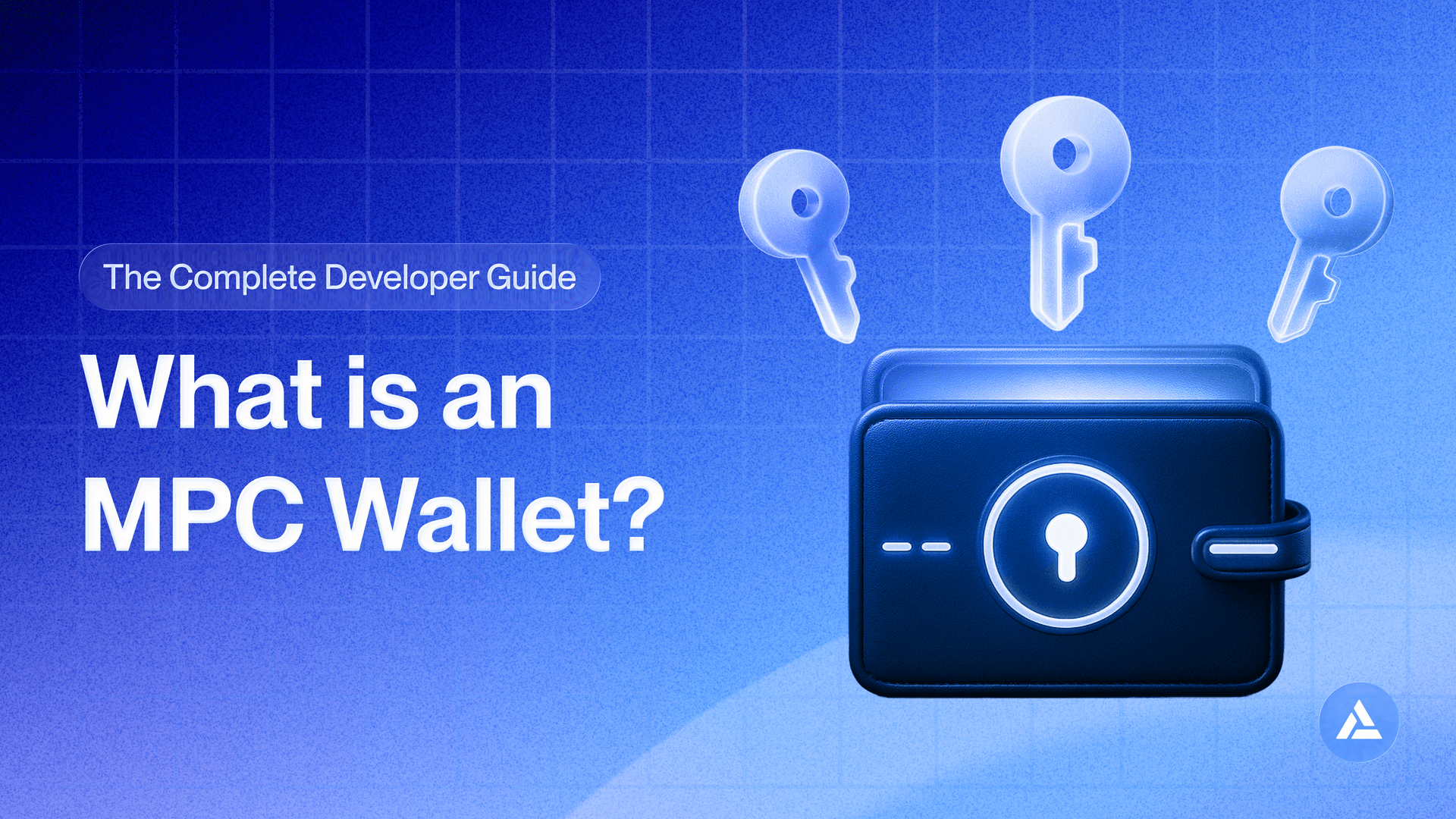
I’ve traded options and crypto for seven years, watching high-risk bets amplify gains, but only robust policies protect the downside. Traditional custody models crumble under DAO demands, with single points of failure inviting disaster. MPC changes that by shattering private keys into encrypted shares, distributed across participants. No one holds the full key; collaboration is mandatory for any move. Layer on account abstraction, and you get secure multi-user crypto wallets that abstract away complexities, enabling custom rules like time-locks, spending limits, or role-based approvals. Platforms like Krayon and Cobo are leading this charge, proving MPC hybrid custody isn’t hype, it’s infrastructure.
Eliminating Single Points of Failure in DAO Operations
Picture this: a DAO treasury loaded with ETH and governance tokens, vulnerable because one member’s device gets compromised. Classic multisig helps, but it’s clunky and chain-bound. MPC flips the script. As sources like Fireblocks and BitGo highlight, multi-party computation ensures no complete private key ever exists in one place. Shares are generated mathematically, requiring a threshold, say 3-of-5, to reconstruct signatures on-the-fly without exposing secrets.
For DAOs, this means MPC custody for organizations scales seamlessly. Teams can onboard contributors globally, each holding a shard via hardware or cloud, with zero trust needed. Blockdaemon nails it: even if multiple parties breach, theft remains impossible without consensus. I’ve seen teams lose big on warm wallets; MPC self-custody, as ChainUp discusses, keeps assets warm yet fortified, ready for DeFi yields without the chill of exposure.
Core MPC Benefits for DAO Wallets
-

No Single Points of Failure: MPC divides private keys into encrypted shares across parties, ensuring no single entity can access funds alone (Cobo, Fireblocks).
-
Customizable Thresholds: Define t-of-n signing requirements tailored to DAO governance needs (Krayon MPC wallet).
-
Cross-Chain Support: Enables seamless interoperability across blockchains via MPC and Account Abstraction integration.
-
Audit Trails: Provides transparent, immutable logs of all transactions and approvals (Cobo custody solutions).
-
Policy Enforcement: Implements custom access controls and role-based permissions for secure multi-user operations.
Custom Policies Supercharged by Account Abstraction
Security alone bores me; strategy demands flexibility. That’s where account abstraction policies shine in this hybrid model. AA, popularized on Ethereum, treats wallets as smart contracts, programmable for gasless txs, social recovery, and beyond. Fuse it with MPC, per Turnkey’s guide, and DAOs craft bespoke rules: treasury admins approve spends over $100K, quorums for proposals, or auto-vests for vesting schedules.
Cobo’s on-chain role-based controls add auditable governance, perfect for DeFi interactions. Krayon’s wallet lets DAOs manage users, roles, and mass payments under MPC guardrails. No more off-chain spreadsheets or Discord polls risking errors. Instead, policies embed directly: if a whale proposal smells fishy, thresholds adapt dynamically. Fystack calls MPC wallets enterprise-grade; with AA, they’re DAO-native, boosting UX while slashing risks.
Real-World Edge: How MPC AA Outpaces Legacy Custody
Stackup’s 2025 guide spotlights hybrid architectures surpassing pure MPC or AA. For DAOs, this means interoperability across EVM chains, Solana, even Hyperliquid as Jung-Hua Liu explores. Liminal and Cobo emphasize MPC’s power against theft, but hybrids add programmability. Teams I’ve advised cut approval times 70% with policy engines, channeling focus to alpha hunts not admin drudgery.
Threshold signatures mimic multisig speed without its pitfalls, per Medium analyses. Institutions flock to Fireblocks’ sMPC for a reason: it’s battle-tested for billions. DAOs, often leaner, gain the same without VC wallets’ bloat. Custom policies enforce compliance, like KYC gates or geo-fences, vital as regs tighten.
Threshold signatures mimic multisig speed without its pitfalls, per Medium analyses. Institutions flock to Fireblocks’ sMPC for a reason: it’s battle-tested for billions. DAOs, often leaner, gain the same without VC wallets’ bloat. Custom policies enforce compliance, like KYC gates or geo-fences, vital as regs tighten.
Implementation Strategies for DAO Teams
Deploying MPC AA hybrid custody starts with assessing your DAO’s risk profile. High-velocity trading squads need low-latency thresholds; governance-heavy groups prioritize quorum rules. Distribute shares via secure channels, integrating AA for Ethereum’s ERC-4337 or cross-chain equivalents. Platforms like Krayon streamline this, offering role controls and mass payouts under MPC shields. Cobo layers on-chain RBAC, logging every action for transparency DAOs crave.
MPC vs. Multisig vs. AA Hybrid: Key Features for DAO Custody
| Feature | MPC | Multisig | AA Hybrid |
|---|---|---|---|
| Security | 🔒🔒🔒 Threshold signatures eliminate single points of failure; no full private key stored | 🔒🔒 m-of-n approvals reduce risk but keys vulnerable if compromised | 🔒🔒🔒🔒 MPC key sharding + AA custom policies & role-based controls |
| Speed | ⚡ Fast off-chain computation & collaboration | ⏳ Medium: Sequential on-chain signatures | ⚡🔥 Fastest: AA bundling & paymasters for efficient txs |
| Programmability | ✅ Medium: Customizable access policies | ❌ Low: Fixed m-of-n rules | ✅✅ High: Smart accounts with on-chain logic & DAO-specific rules |
| Cross-Chain | ✅ Good: Protocol-agnostic MPC protocols | ❌ Limited: Chain-specific contracts | ✅✅ Excellent: AA standards enable seamless interoperability |
| Cost for DAOs | 💰 Medium: Service fees for MPC infra | 💰 Low setup, high gas fees | 💰💰 Cost-effective: Optimized txs, mass payments & governance |
I’ve guided teams through this shift, watching secure multi-user crypto wallets transform chaos into precision. One DAO cut fraud risks by 90% with auto-approvals for routine yields, reserving MPC consensus for high-stakes dumps. Warm wallets stay active for DeFi, per ChainUp’s insights, without single-point vulnerabilities. Liminal’s take resonates: MPC harnesses computation to guard assets like a digital vault with distributed locks.
Account abstraction elevates policies from static to strategic. Enforce vesting cliffs, spending caps per role, or emergency pauses triggered by oracle feeds. Turnkey’s breakdown shows hybrids balancing MPC’s ironclad security with AA’s UX magic, sidestepping TEE pitfalls like hardware trusts. For DAOs eyeing Solana or Hyperliquid, threshold schemes adapt seamlessly, as Liu’s analysis details.
Battle-Tested Gains: Metrics That Matter for Teams
Stackup’s guide predicts hybrids dominating by 2025, and 2026 context confirms it: DAOs flock to MPC for sharded keys and policy flexibility. Fystack positions these as critical infrastructure, extending beyond custody to ops efficiency. Blockdaemon’s point hits home; breaches stay contained, even multi-party. My high-risk playbook? Pair MPC AA with yield optimizers, protecting amplified returns.
Quantify the edge: approval cycles drop from days to minutes, insider threats evaporate, audits become on-chain artifacts. Cobo and Fireblocks power institutions; DAOs level up without their overhead. Krayon’s features, like user management and payments, fit lean teams perfectly, enforcing account abstraction policies that evolve with governance.
This hybrid isn’t a gadget; it’s the backbone for DAOs scaling treasuries amid crypto’s wild swings. Policies protect the downside, letting bold strategies amplify. As regs evolve and threats sharpen, MPC custody for organizations fused with AA delivers the control and speed teams demand. Forward-thinking DAOs aren’t waiting; they’re building unbreakable DAO team wallets today, turning collective power into enduring advantage.