
Granular Access Controls in Team Wallets Using MPC Custody and AA

In the evolving landscape of digital asset management, granular access controls in team wallets stand out as a critical innovation, particularly when powered by multi-party computation (MPC) custody and account abstraction (AA). Businesses, DAOs, and institutions handling substantial crypto portfolios demand solutions that balance ironclad security with operational agility. Traditional single-key wallets expose teams to catastrophic risks from insider threats or compromised credentials. Enter hybrid MPC-AA architectures, like those at MPCAAWallet. com, which distribute cryptographic responsibilities and embed programmable logic directly into wallet operations. This fusion not only eliminates single points of failure but also enables precise permissioning, ensuring that only authorized actions proceed.


Consider the mechanics: MPC protocols, as detailed in resources from the MPC Alliance and providers like Cobo, replace a monolithic private key with distributed shares. Each participant holds a fragment, computable jointly without reconstruction. Platforms such as MPCVault and Fordefi extend this by isolating shares in secure enclaves and enforcing policies pre-signature. This setup inherently supports MPC custody access controls, where teams define thresholds for approvals, time locks, or spending limits without trusting a central custodian.
Why MPC Alone Falls Short for Teams
While MPC excels in key security, as highlighted in Alchemy’s 2025 developer guide and stackup. fi’s technical breakdown, it traditionally lacks the flexibility for complex multi-user scenarios. Pure MPC wallets shine for individual or bilateral custody but struggle with dynamic team structures. Enterprises need more: auditable logs, multi-user access hierarchies, and anomaly detection, per Nervos Network and CoinsDo analyses. Here, AA steps in as the programmable layer atop Ethereum’s ERC-4337 standard, transforming wallets into smart contracts capable of executing custom validation logic.
AA wallets, or smart contract wallets, allow bundlers to sponsor gas fees and batch transactions, but their true power for teams emerges in policy enforcement. Integrate AA with MPC, and you get AA team wallets granular controls: signers approve via MPC shares, while AA modules validate against predefined rules. For instance, a DAO treasury might require two-of-three approvals from executives, plus a 24-hour delay for amounts exceeding $100,000, all enforced on-chain without manual intervention.
Implementing Custom Approval Workflows
Granular controls manifest through customizable policies, a hallmark of top MPC solutions compared by Safeheron for 2025. Institutional users, as noted in Nichanan Kesonpat’s Medium post, assign unlimited transaction approvers and delegate permissions seamlessly. In practice, MPCAAWallet’s hybrid model lets admins configure workflows via intuitive dashboards: set role-based permissions, such as viewers who monitor without signing power, approvers for specific assets, or controllers for emergency freezes.
Key Benefits of Granular Controls
-
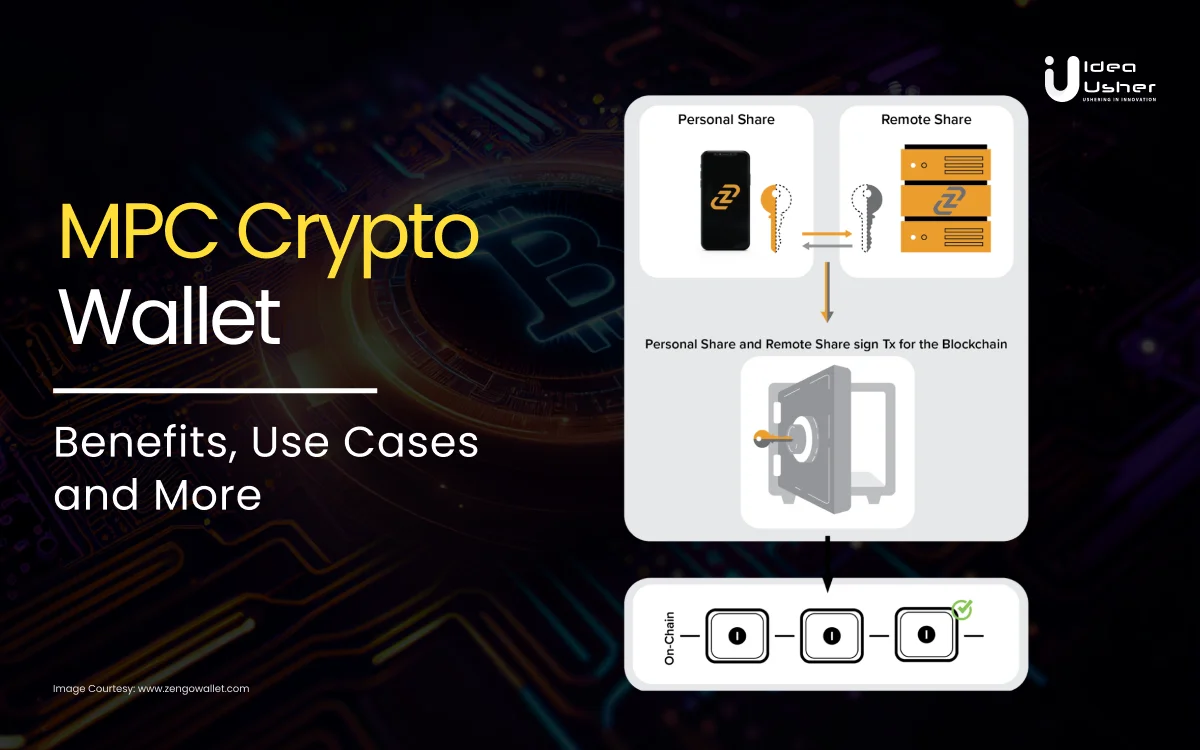
Custom Approvals: Assign unlimited transaction approvers to policies and set custom workflows, as in MPCVault.
-

Policy Enforcement: Enforce predefined policies before every signature, per Fordefi MPC platform.
-
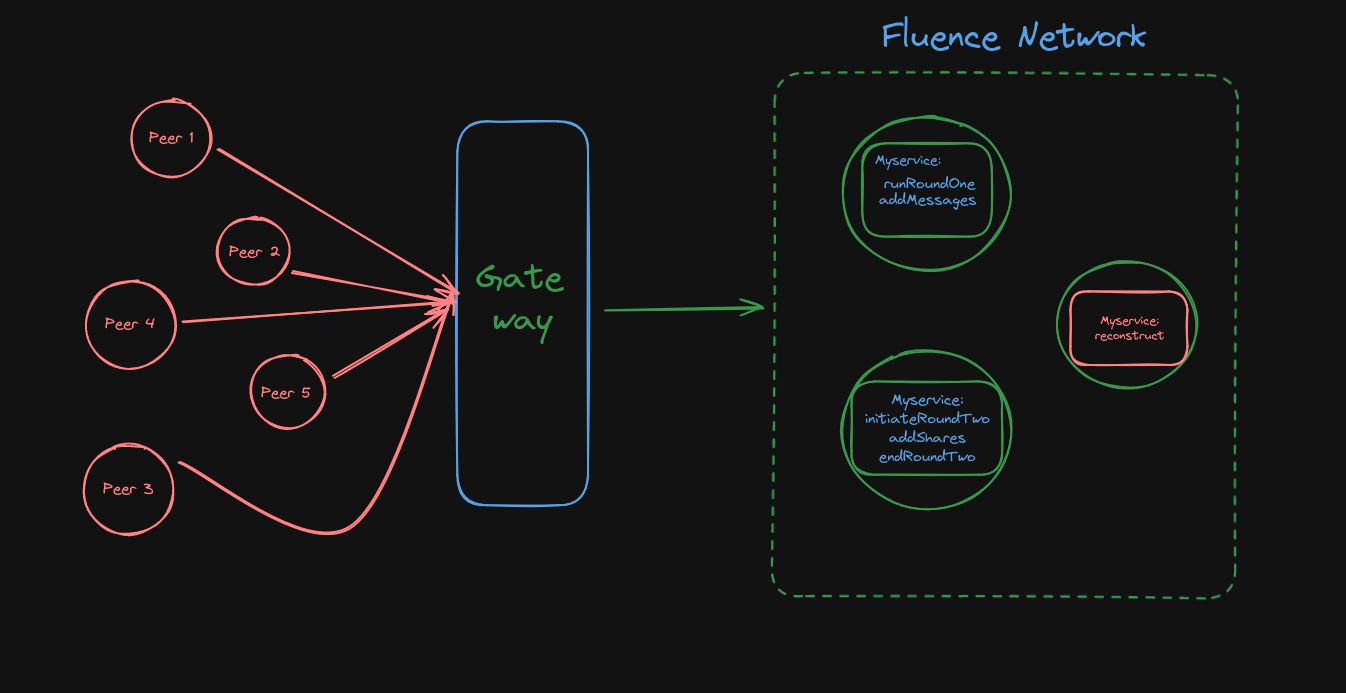
Insider Threat Mitigation: Distribute key shares across nodes to eliminate single points of failure.
-

Audit Trails: Generate auditable logs for multi-user access and transactions.
This precision addresses real-world pain points. A hedge fund managing multimillion-dollar positions avoids rogue transfers by mandating multi-sig equivalents through MPC thresholds. Compliance teams appreciate immutable logs for regulatory audits, aligning with institutional demands outlined in Cordial Systems’ guide. Moreover, AI-driven monitoring, as in CoinsDo’s top MPC wallets for 2026, flags anomalies before approvals, layering proactive defense atop reactive controls.
Hybrid Custody Permissions in Action
Hybrid custody permissions elevate secure team asset management by blending MPC’s offline computation with AA’s on-chain verifiability. Bleap’s explanation underscores how encrypted shares across devices prevent breaches, while Fordefi’s platform adds end-to-end key management. Deployment options range from cloud-hosted nodes to air-gapped hardware, catering to varying risk appetites. Teams achieve self-custody preservation without sacrificing enterprise features; policies trigger automatically, rejecting non-compliant txs at the protocol level.