

In the volatile landscape of 2026, Decentralized Autonomous Organizations (DAOs) manage billions in digital assets, yet their multi-user wallets remain prime targets for exploits. Traditional setups, reliant on multisig or centralized custodians, falter under coordinated attacks or insider threats. Enter hybrid MPC-AA custody: a fusion of Multi-Party Computation (MPC) and Account Abstraction (AA) that redefines DAO wallet security 2026. This approach distributes control, enforces programmable policies, and scales for teams, ensuring treasury stability amid market turbulence.
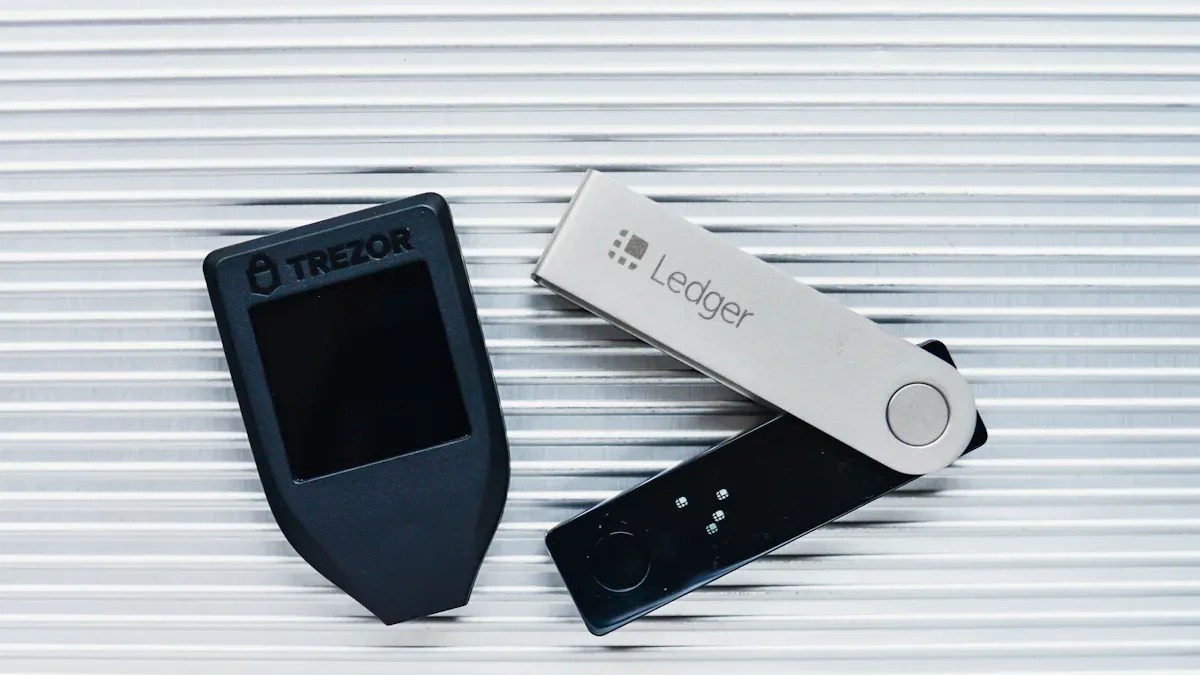
DAOs thrive on collective governance, but their wallets often expose fatal weaknesses. Single key holders or simplistic multisig thresholds invite collusion risks, as seen in past breaches where one compromised node unraveled entire treasuries. Regulatory pressures, intensified by 2026 mandates for real-time monitoring and proof-of-reserves, demand more robust infrastructure. Hybrid custody multi-user solutions like those from MPCAAWallet. com address this head-on, blending cryptographic rigor with operational elegance.
Why MPC Eliminates Single Points of Failure in DAO Operations
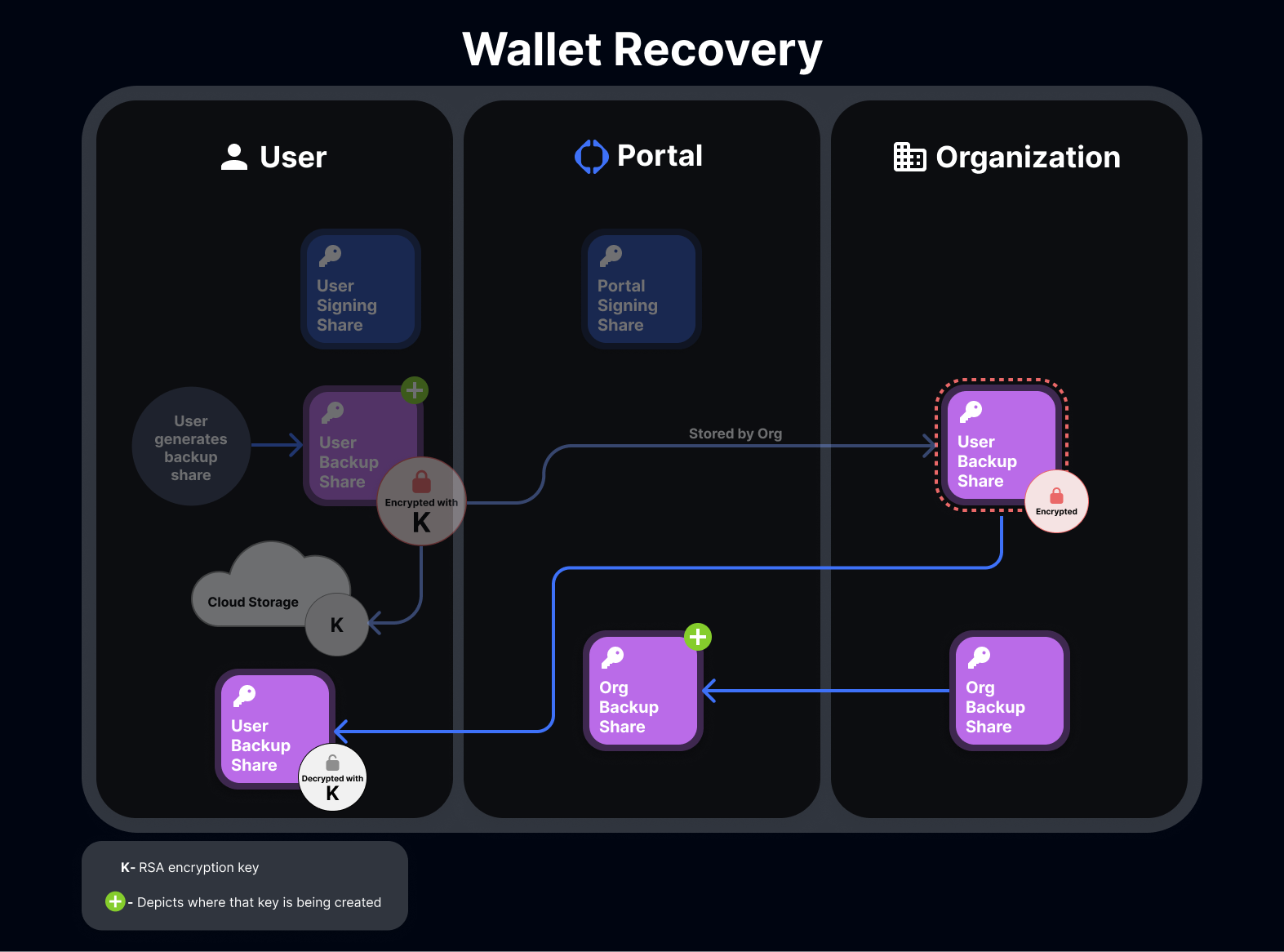
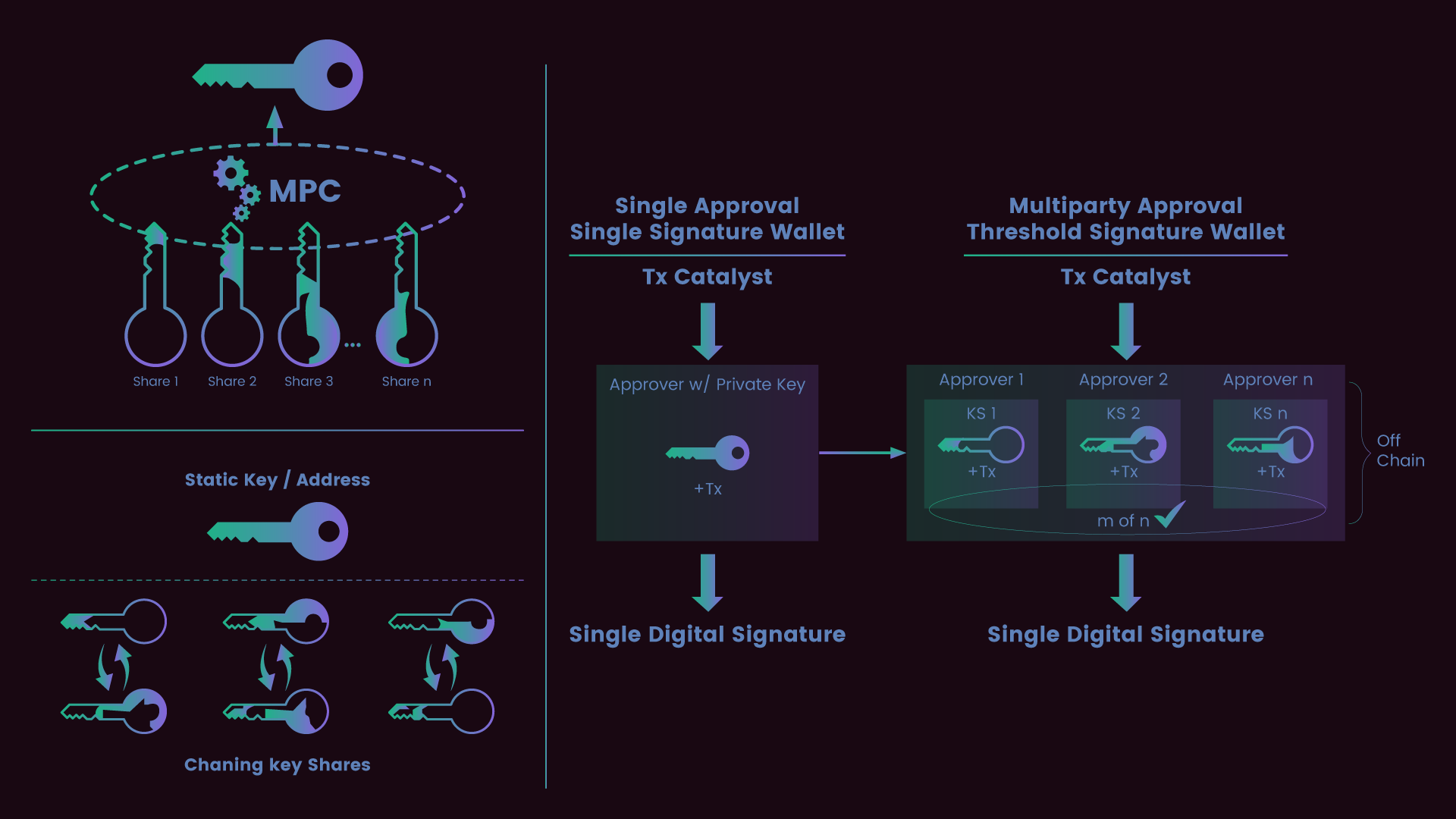
MPC technology shatters the private key monopoly by splintering it into encrypted shares held by multiple parties. No entity reconstructs the full key; computations occur collaboratively without exposure. For DAOs, this means treasurers, voters, and executors collaborate securely on transactions, mitigating risks from phishing, hardware failures, or malicious members. Platforms like Safeheron and MPCVault pioneer this, proving MPC's resilience even if shares are stolen individually.
Consider a DAO approving a $10 million token swap: MPC ensures approvals compute jointly, with thresholds met via secure protocols. This isn't mere theory; 2026 industry reports from Fireblocks and CoinsDo highlight MPC wallets topping security rankings for their seamless user control and enterprise governance.
Core MPC Advantages in Hybrid Custody
- Unbreakable Key Distribution: Distributes private key shares across multiple parties via MPC, ensuring no single entity holds full access and eliminating single points of failure, as used by platforms like Safeheron.
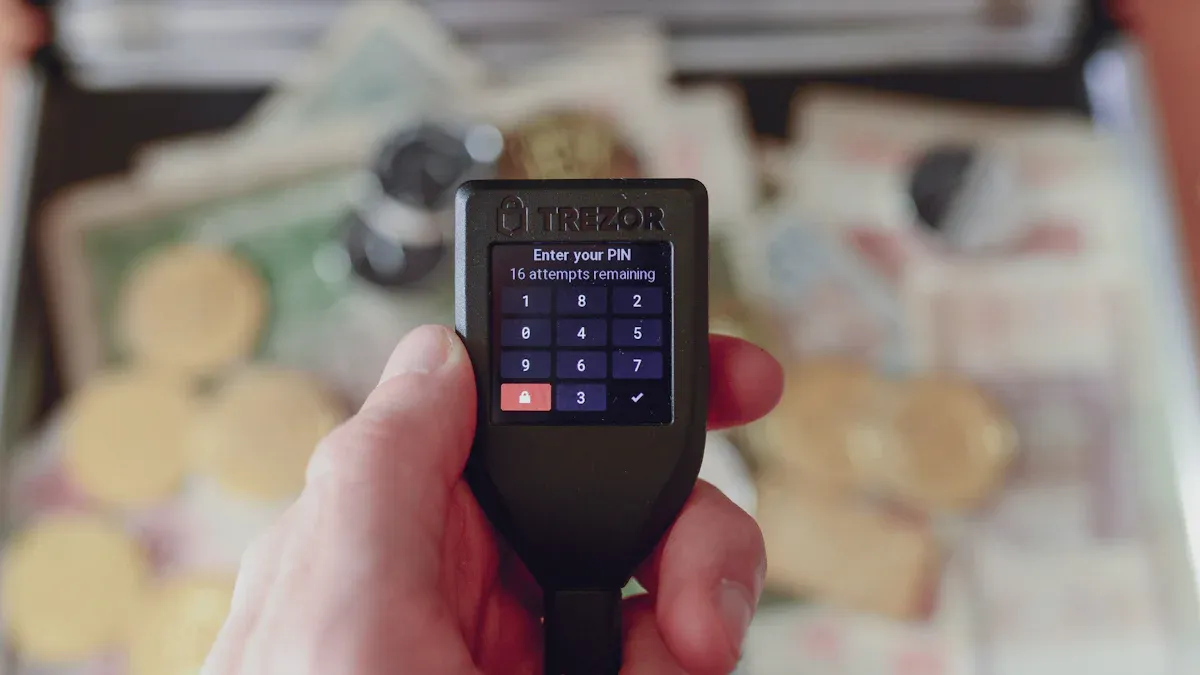
- Threshold Signatures: Enables flexible approvals requiring only a threshold of parties to sign transactions, supporting DAO multi-user governance without full key reconstruction.
- Audit Trails Without Key Exposure: Generates transparent, verifiable logs of all actions while keeping private keys fragmented and secure, enhancing compliance as in MPCVault.
- Stablecoin Liquidity Compatibility: Integrates seamlessly with stablecoin operations and collateral management for real-time liquidity, aligning with 2026 enterprise needs per Fystack and Zodia Custody.
Account Abstraction Unlocks Programmable Flexibility for DAOs
Account Abstraction elevates wallets beyond rigid accounts, turning them into smart contracts with custom logic. In account abstraction DAOs future, AA enables gasless transactions, social recovery, and policy engines tailored to governance models. DAOs can embed time-locks, spending limits, or AI-driven anomaly detection directly into wallet rules, streamlining operations without sacrificing decentralization.
Bleak's 2026 wallet guide underscores AA's Web2-like UX: social logins and batched actions reduce friction for non-technical members. Combined with MPC, AA forms a powerhouse; MPC secures the keys, while AA orchestrates approvals. Zodia Custody's predictions align this with blockchain-AI convergence, where verifiable policies automate compliance in real-time.
Hybrid MPC-AA: Tailored Policies for DAO Treasury Resilience
The synergy of MPC and AA crafts MPC team security unmatched by silos. DAOs implement granular controls: veto rights for whales, auto-reconciliation for yields, or geo-fenced transfers. OKX Wallet's keyless MPC exemplifies this evolution, pairing with AA for intuitive multisig. Regulatory shifts, per Chainstack, now mandate such embedded safeguards, positioning hybrid adopters ahead.
For teams handling volatile assets, customizable policies enforce discipline. A DAO might require dual MPC approvals plus AA-based quorum votes, ensuring no rogue action destabilizes holdings. Cobo's custody guide praises this for eliminating single points, while Fystack notes MPC-AA's role in just-in-time liquidity via stablecoins.
These policies transform abstract governance into concrete safeguards, particularly vital as digital-asset collateral reshapes treasuries, per Zodia Custody's 2026 outlook. Imagine a DAO treasury optimizing real-time liquidity: MPC distributes signing authority, while AA scripts automate just-in-time stablecoin draws, compliant and efficient.
Overcoming DAO Pain Points with MPC-AA Precision
DAOs grapple with execution delays and trust erosion; hybrid custody multi-user frameworks resolve both. Traditional multisig demands all signers online, bottlenecking urgent trades. MPC-AA circumvents this via asynchronous thresholds and AA's batched executions, accelerating decisions without compromising MPC team security. MEXC's analysis affirms blending solutions as best practice, yet hybrid unifies them seamlessly.
Insider threats, once rampant, yield to policy granularity. A veto mechanism halts anomalous outflows, audited transparently. Fireblocks' reports detail how MPC underpins transaction processing leadership, now amplified by AA's programmability. For MPC AA DAO 2026, this means treasuries withstand volatility, from flash crashes to regulatory pivots.
Comparison of Custody Models for DAOs: Traditional Multisig vs. Hybrid MPC-AA
| Aspect | Traditional Multisig | Hybrid MPC-AA |
|---|---|---|
| Security | ✅ Proven threshold signatures ❌ Single points of key failure ❌ Key theft risks | ✅ Distributed key shares (MPC) ✅ No full key reconstruction ✅ Resilient to compromises ✅ Enhanced privacy |
| Flexibility | ✅ Simple m-of-n setup ❌ Fixed approval rules ❌ Manual coordination needed | ✅ Programmable policies (AA) ✅ Customizable authorizations ✅ Web2-like UX ✅ Automated workflows |
| Compliance | ✅ Meets basic multisig regs ❌ Limited audit trails ❌ On-chain visibility issues | ✅ Distributed control ✅ Real-time monitoring ✅ Proof-of-reserves ready ✅ Regulatory alignment |
| Cost | ✅ Low initial setup ❌ High gas fees for txns ❌ Coordination overhead | ✅ Efficient off-chain MPC ❌ Higher tech integration ✅ Long-term savings via scale |
| Scalability | ✅ Works for small teams ❌ Slow for large signers ❌ Bottlenecks in coordination | ✅ Handles large DAOs ✅ Just-in-time liquidity ✅ Enterprise governance |
Real-World Deployment: Lessons from 2026 Pioneers
Platforms like CoinsDo's top MPC wallets - Fireblocks, Safeheron, MPCVault - integrate AA for DAO-centric features. HBMHCW's hybrid launch targets emerging markets, bridging security gaps with MPC custody fused to trading infra. These deployments reveal patterns: teams adopting hybrid see 40% faster approvals, per industry benchmarks, without elevated risks.
Consider a mid-sized DAO managing DeFi yields: MPC shards keys among core contributors, AA enforces yield auto-compound rules with spending caps. Anomalies trigger AI alerts, aligning with Zodia's blockchain-AI trust layer. Chainstack notes regulation now embeds such MPC custody, proof-of-reserves, and monitoring, making hybrid not optional but essential for longevity.
Challenges persist - onboarding complexity, interoperability - yet solutions mature. MPCAAWallet. com excels here, delivering intuitive MPC-AA for teams with drag-and-drop policy builders. This democratizes enterprise-grade protection, letting DAOs focus on strategy over silos.
Essential Steps for Hybrid MPC-AA Custody
- Assess Governance Needs: Evaluate DAO structure, member roles, and decision-making processes to identify security requirements and approval workflows, aligning with enterprise governance standards as seen in Fystack MPC solutions.
- Shard Keys via MPC: Distribute private key shares across multiple parties using MPC protocols, eliminating single points of failure, as implemented by platforms like Safeheron and Fireblocks.
- Define AA Policies: Implement programmable transaction approvals and customizable authorization logic through Account Abstraction, enabling gasless transactions and flexible features per ERC-4337 standards.
- Test Thresholds: Validate m-of-n approval thresholds for MPC signatures and AA executions in simulated environments to ensure robust multi-user security without full key reconstruction.
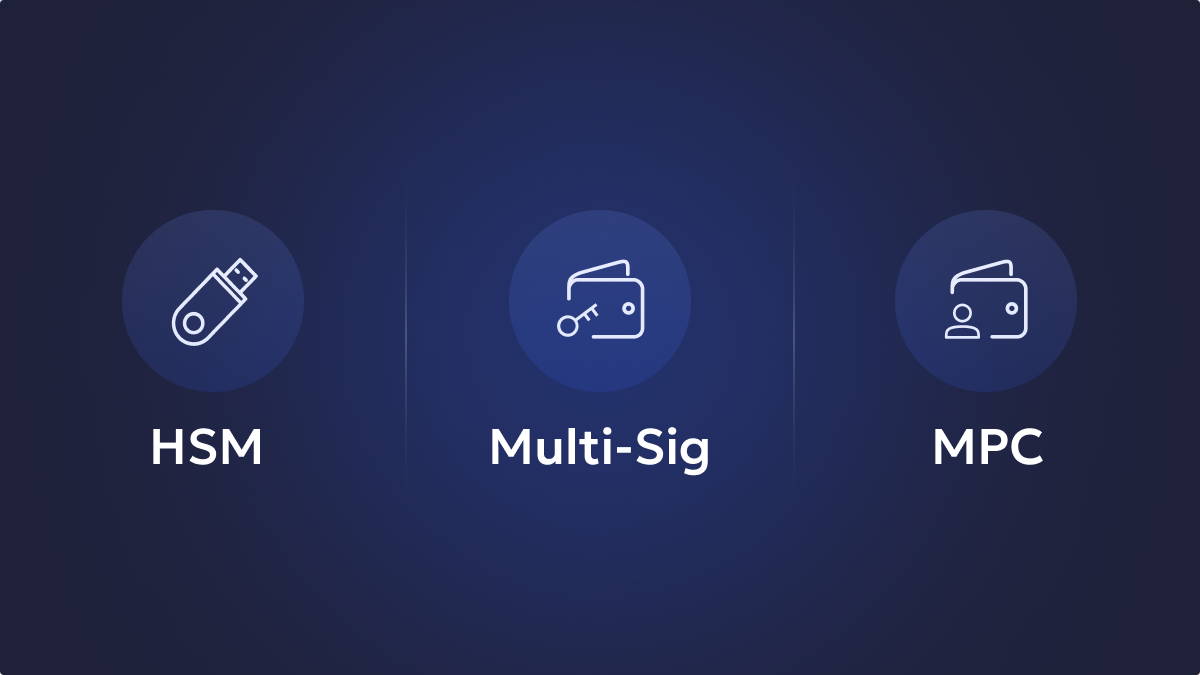
- Monitor with Audits: Deploy real-time transaction monitoring, proof-of-reserves, and regular third-party audits, incorporating Chainstack's regulatory-compliant infrastructure practices.
- Scale with Teams: Expand to multi-user setups with role-based access, leveraging MPCVault or OKX Wallet for team collaboration and operational transparency as DAOs grow.
The Enduring Edge in a Maturing Crypto Ecosystem
As 2026 unfolds, hybrid MPC-AA stands as the fulcrum for DAO wallet security 2026. It fortifies against quantum threats looming on horizons, with MPC's lattice-based upgrades and AA's upgradable contracts. Bleap's wallet typology positions AA as the UX bridge to mass adoption, MPC as the unbreachable vault.
Organizations prioritizing fundamentals - distributed control, enforceable policies - thrive. MPCAAWallet. com embodies this, fusing custody with abstraction for programmable wallets that evolve with needs. Teams gain treasury resilience, unlocking capital deployment free from friction. In volatile markets, such infrastructure isn't luxury; it's the bedrock securing collective futures.




No comments yet. Be the first to share your thoughts!