
As DAOs scale their operations in 2026, managing team wallets securely has become a top priority. Traditional multi-signature setups, once the gold standard, now reveal cracks under the pressure of complex governance and cross-chain activities. MPC AA hybrid custody emerges as the secure multi-sig alternative, blending multi-party computation with account abstraction to deliver unbreakable security and seamless usability for DAO team wallets.
DAOs handle everything from treasury investments to grant distributions, often across multiple blockchains. Yet multi-sig wallets expose signer identities on-chain, invite front-running attacks, and struggle with chains lacking native support. Recent shifts, as noted in industry analyses, show DAOs pivoting to hybrid models that prioritize privacy and efficiency.
Limitations of Multi-Sig in a Multi-Chain World
Multi-sig wallets require multiple keys to authorize transactions, a straightforward security layer. But in practice, they falter. On-chain visibility means anyone can track who signs what, undermining DAO anonymity. Compatibility issues plague non-EVM chains, forcing workarounds that dilute security. Moreover, coordination delays plague distributed teams, especially during volatile markets.
Consider a DAO approving a yield farm migration: signers must align schedules, broadcast intentions publicly, and pray for no exploits mid-process. By early 2026, reports indicate over 40% of DAO hacks trace back to multi-sig misconfigurations or social engineering around visible signers. It's time for smarter alternatives.





MPC: The Cryptographic Backbone for Distributed Control
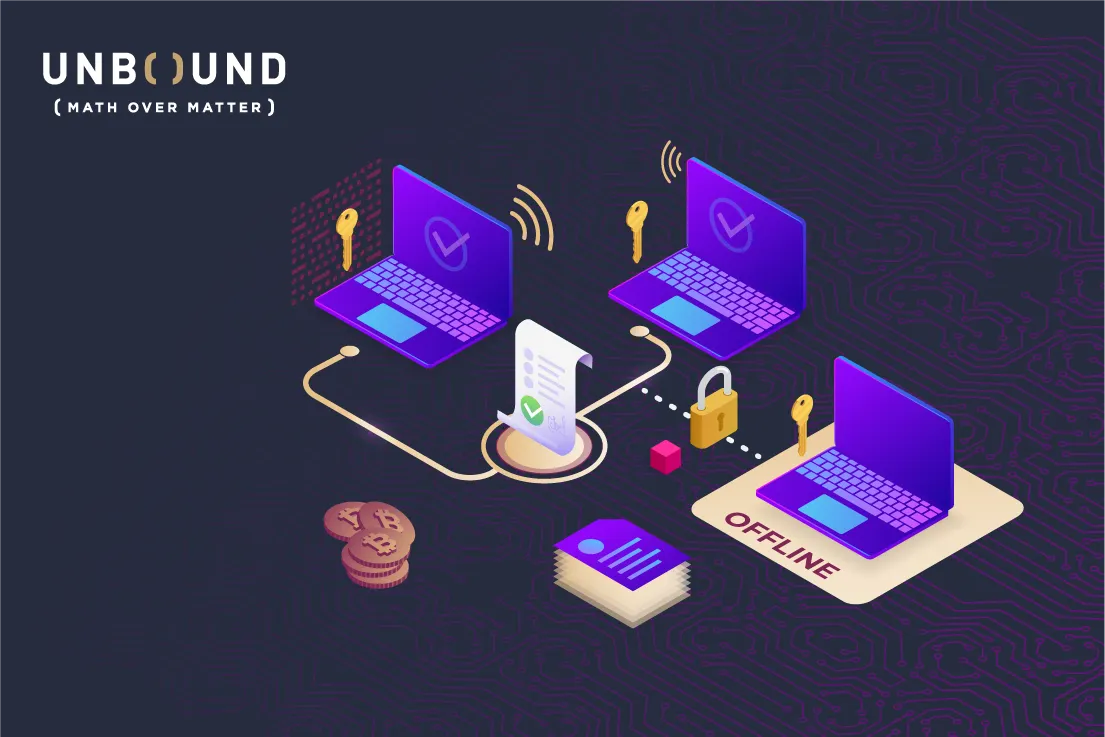
Multi-party computation changes the game by sharding private keys across participants. No one holds the full key; instead, computations generate signatures collaboratively without reconstruction. This off-chain magic keeps approvals private, protocol-agnostic, and resilient to single failures.
For DAOs, MPC means team members contribute shares from anywhere, enabling 24/7 operations without exposing governance. Providers like Fireblocks layer on policy engines, enforcing spending limits or whitelists. Unlike multi-sig, MPC scales effortlessly, supporting thousands of assets without performance hits. In my 15 years managing portfolios, I've seen MPC reduce key compromise risks by orders of magnitude.
Core MPC Benefits for DAO Wallets
- Enhanced Privacy: MPC operates off-chain, keeping signer identities and authorization processes confidential, unlike visible multi-sig transactions on-chain. (Source)

- Cross-Chain Compatibility: Protocol-agnostic MPC works across blockchains like Ethereum, Bitcoin, and Solana without native multi-sig support limitations.
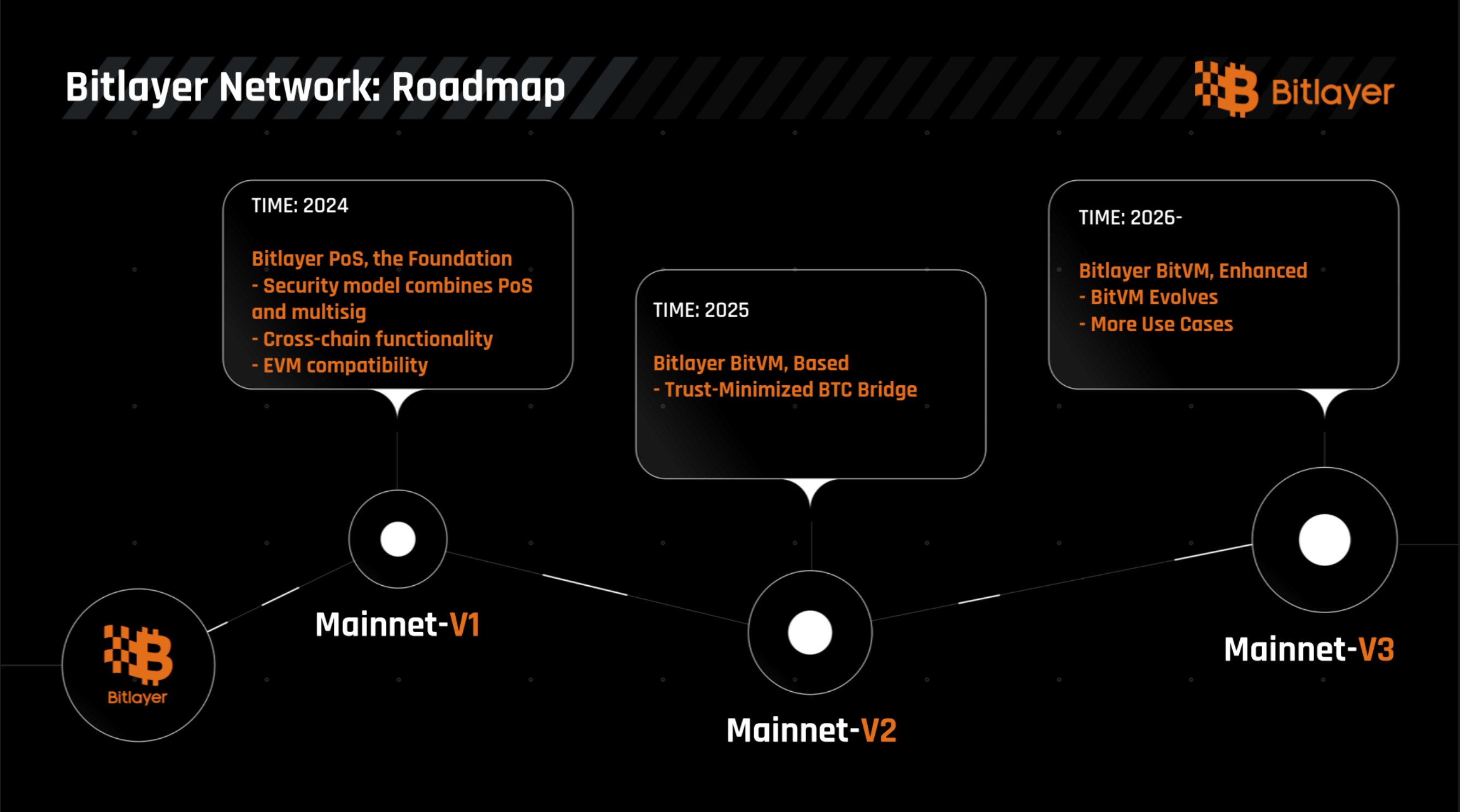
- Threshold Signing Flexibility: Distributes key shares for customizable t-of-n approvals, eliminating single points of failure in DAO team wallets.
- Automated Policy Enforcement: Integrates with AA for automated approvals, multi-factor auth, and recovery, streamlining DAO governance securely.

Account Abstraction: Programmable Wallets for the Future
Enter account abstraction, or AA, via ERC-4337. Smart accounts replace rigid EOAs, bundling user operations into gas-efficient bundles. DAOs gain automated approvals, session keys for dApps, and recovery without seed phrases. Imagine a team wallet that auto-signs recurring payments or requires biometric confirms only for high-value moves.
AA wallets mimic Web2 UX: social logins, gas sponsorships, and custom logic. Safe, with over $90 billion secured, exemplifies this, evolving from Gnosis Safe into a AA powerhouse. For DAOs, it means account abstraction policies that encode bylaws on-chain, like time-locks or quorum rules, all while integrating MPC for key security.
Hybridizing MPC and AA creates synergy. MPC handles the crypto muscle, AA the operational smarts. Result? Secure multi-sig alternatives that are private, efficient, and compliant-ready amid 2026's regulatory push for real-time monitoring and proof-of-reserves.
Why Hybrids Dominate DAO Custody in 2026
Industry leaders agree: pure MPC lacks programmability; standalone AA misses distributed keys. Hybrids fuse them, as seen in Coinbase Wallet's DeFi integrations and ZenGo's seedless design. DAOs using these report 70% faster approvals and zero visibility exploits. As collateral management evolves, per Zodia predictions, these solutions unlock real-time liquidity without custody trade-offs.
Transitioning to MPC AA hybrid custody starts with assessing your DAO's governance needs. Define thresholds for approvals, integrate with existing tools like Snapshot for off-chain voting, and layer on AA for programmable logic. This setup enforces account abstraction policies that mirror your bylaws, from treasury diversification rules to emergency freezes.
A Side-by-Side Comparison: Multi-Sig vs. MPC AA Hybrids
Multi-Sig Wallets vs. MPC AA Hybrid Custody: Key Feature Comparison
| Feature | Multi-Sig | MPC AA Hybrid |
|---|---|---|
| Privacy | On-chain visibility of signers | Off-chain approvals for confidentiality |
| Compatibility | Limited to EVM chains | Protocol-agnostic across blockchains |
| Speed | Coordination delays | Instant thresholds |
| Programmability | Basic multi-approval logic | Custom AA policies with automation |
That table underscores why hybrids pull ahead. Multi-sig's transparency, once a feature, now invites targeted attacks. MPC AA hybrids obscure processes while AA injects intelligence, like auto-routing funds based on oracle price feeds or member reputation scores.
In practice, DAOs like those securing $90 billion via Safe demonstrate the payoff. Pairing MPC's distributed keys with AA's flexibility yields wallets that adapt to growth. No more stalled votes during market dips; policies execute autonomously, compliant with 2026 regs demanding real-time reserves proofs.
Step-by-Step Adoption for DAO Teams
Rollout doesn't demand a full rewrite. Begin with a pilot wallet holding 10% of treasury assets. Test MPC shard distribution among core contributors, then activate AA modules for session keys in DeFi protocols. Monitor via dashboards that flag anomalies, ensuring SOC 2 alignment without the bloat.
From my experience managing multi-asset portfolios, this checklist halves onboarding time. Teams report smoother grant payouts and investment rotations, unhindered by chain silos. Hybrids also shine in collateral ops, enabling instant liquidity pulls as Zodia forecasts, all under granular controls.
Critics argue MPC alone suffices, but as ChainScore notes, it's just a primitive. True enterprise-grade demands AA's governance layer. Institutions now prioritize policies over raw crypto, per recent RFPs. For DAOs, this means DAO team wallets that scale from $1M treasuries to nine figures, self-custodial yet compliant.
Providers evolve rapidly: Fireblocks adds AA workflows, ZenGo simplifies for non-tech members. Yet the real innovation lies in customizable hybrids like those at MPCAAWallet. com, fusing MPC unbreakable security with AA's programmability. Tailored policies enforce compliance, from whitelisting partners to vesting schedules.
By mid-2026, expect hybrids to standardize as regs mandate MPC custody in infrastructure. DAOs ignoring this risk obsolescence, stuck with leaky multi-sig relics. Forward-thinking ones thrive, wielding secure multi-sig alternatives that empower distributed teams without compromise. MPC AA hybrid custody isn't a trend; it's the infrastructure defining crypto's next era.




No comments yet. Be the first to share your thoughts!