
Decentralized Autonomous Organizations, or DAOs, now oversee treasuries worth billions in digital assets, with Ethereum trading at $2,249.76 after a 1.96% dip over the past 24 hours. Yet, as these groups scale, their reliance on outdated multisig wallets exposes them to delays, insider threats, and outright hacks. Enter MPC AA wallets: a fusion of multi-party computation and account abstraction that redefines multi-party approvals for DAOs. This hybrid approach distributes key shares without ever reconstructing a full private key, while programmable logic automates governance rules, slashing risks without sacrificing speed.

Traditional setups falter under real-world pressures. Multisig demands sequential signers, often leading to quorum failures during market volatility; witness ETH's recent swing from a 24-hour high of $2,328.65 to $2,115.33. Collusion among signers remains a quiet killer, as CertiK warns that MPC protocols thrive only if most participants stay honest. Fireblocks and BitGo highlight how MPC sidesteps these by enabling collaborative signing, where no single party holds the keys.
Threshold Signatures: DAO Governance Without the Fragility
In a DAO, DAO threshold signatures via MPC mean approvals require a predefined quorum of key shares, computed jointly without exposure. Picture a treasury vote: five of seven members approve a spend, their shards interact mathematically to sign, per MPC Alliance standards. This natively supports multiparty models, as each holder acts as a node. Unlike multisig's clunky chains, MPC parallelizes approvals, cutting times from days to minutes. Cobo notes DAOs already use this for treasury management, distributing control to stakeholders.

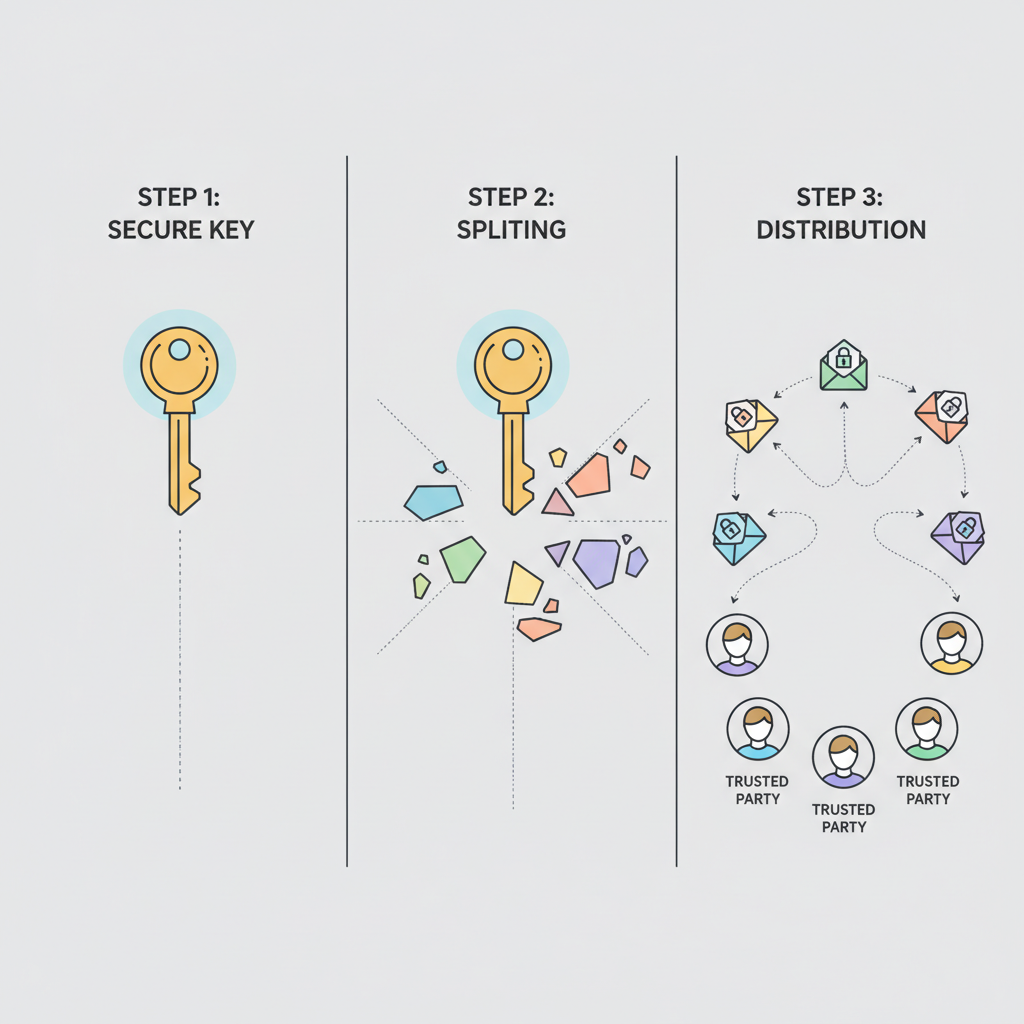
Risk managers like myself prioritize resilience; MPC delivers by assuming adversarial actors. AWS outlines how these wallets uniquely fortify against theft, as shards stay siloed. Veritas Protocol demystifies it: private keys shatter into pieces, reconstructable only collectively. For DAOs, this aligns perfectly with decentralized ethos, enforcing hybrid wallet governance minus central chokepoints.
Account Abstraction Unlocks Programmable Security Layers
ERC-4337's account abstraction elevates MPC from secure signing to intelligent wallets. AA treats smart contracts as accounts, embedding custom rules like time-locks or spend limits directly. DAOs gain automated approvals: a proposal hits threshold? It executes sans manual txns. Updated trends show DAOs flocking to this for streamlined ops, mitigating key theft while adding multi-factor recovery.
Core MPC AA Benefits for DAOs
- Threshold Quorums: Requires t-of-n approvals from key share holders, ensuring majority honesty and mitigating collusion risks (per CertiK).
- Automated Governance Logic: AA smart contracts enforce predefined rules for approvals, streamlining DAO processes without manual intervention.
- No Single Key Exposure: Private keys split via MPC shards across parties, eliminating full key reconstruction risks (Fireblocks).

- Compliance-Enforced Policies: Embed regulatory checks in wallet logic, supporting secure multi-party control for DAOs (MPC Alliance).

Julia Wu's MPC 101 nails it: this enables semi-custodial setups where groups compute collectively, revealing nothing. Cordial Systems breaks down the mechanics across levels, stressing compliance wins for institutions eyeing DAOs. With ETH at $2,249.76 underscoring asset volatility, such tools enforce policies proactively, like velocity checks to curb dumps.
Why MPC AA Outpaces Multisig in High-Stakes DAOs
Multisig's broadcast model leaks intent pre-approval, inviting front-running; MPC signs blindly. S. Horowitz flags U. S. regs evolving around MPC, favoring its audit trails over opaque multisigs. For account abstraction DAOs, bundlers handle gas abstraction, letting non-technical voters focus on governance. MPCAAWallet. com exemplifies this, blending MPC custody with AA for teams, imposing granular controls without UX friction.

Front-running vanishes as approvals finalize off-chain before broadcast. In volatile swings like ETH's drop to $2,249.76 from $2,328.65, this blind signing preserves value against opportunistic attacks. Multisig's sequential nature crumbles under time pressure; MPC AA parallelizes, bundling via ERC-4337 for gasless execution.
Real-World Resilience: MPC AA in Action for DAOs
DAOs managing billions demand proven resilience. Cobo spotlights treasury ops where stakeholders co-sign seamlessly. CertiK stresses honest-majority thresholds; collude fewer than half, and transactions halt. This risk-averse design suits my FRM lens: assume compromise, build antifragile systems. Hybrid setups like MPCAAWallet. com layer AA policies atop MPC, enforcing MPC AA multi-party approvals with velocity caps or geo-fences.
Secure DAO Setup: MPC AA Wallets for Threshold Approvals
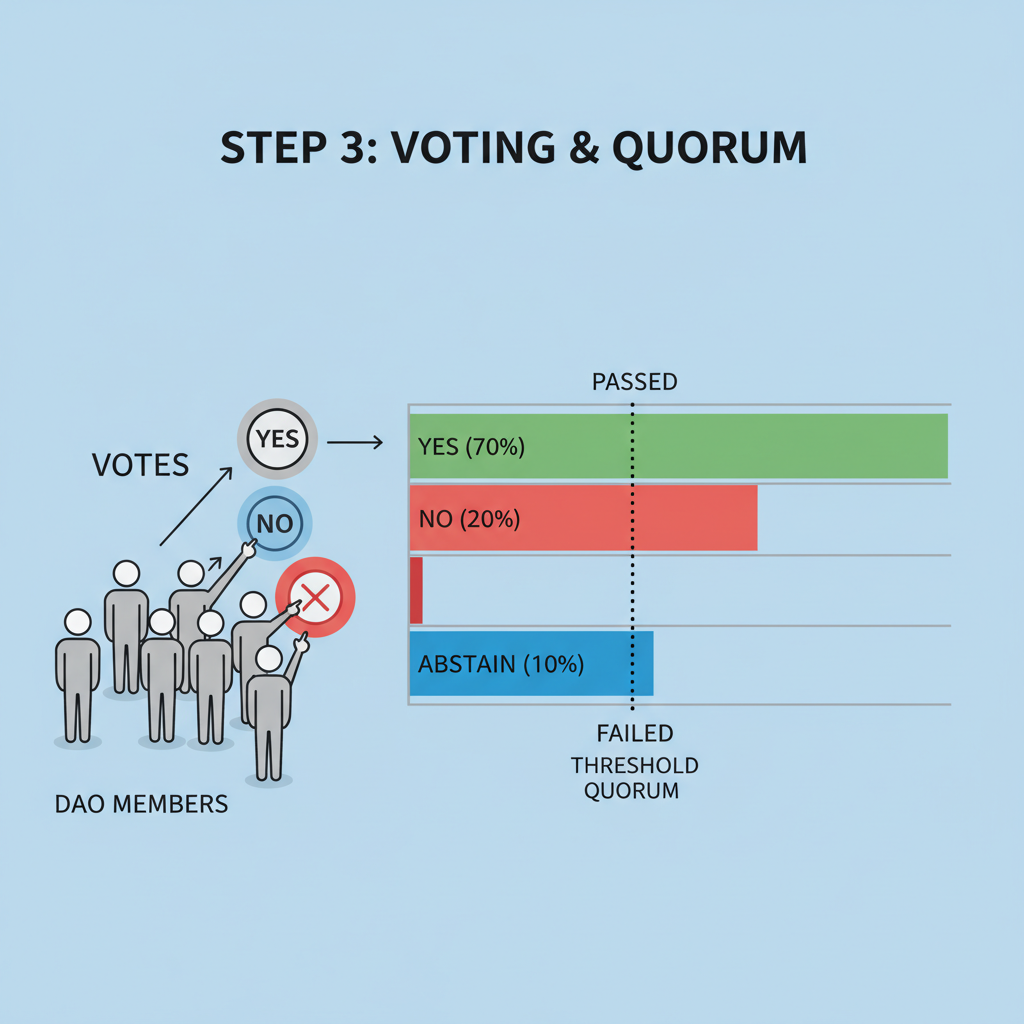
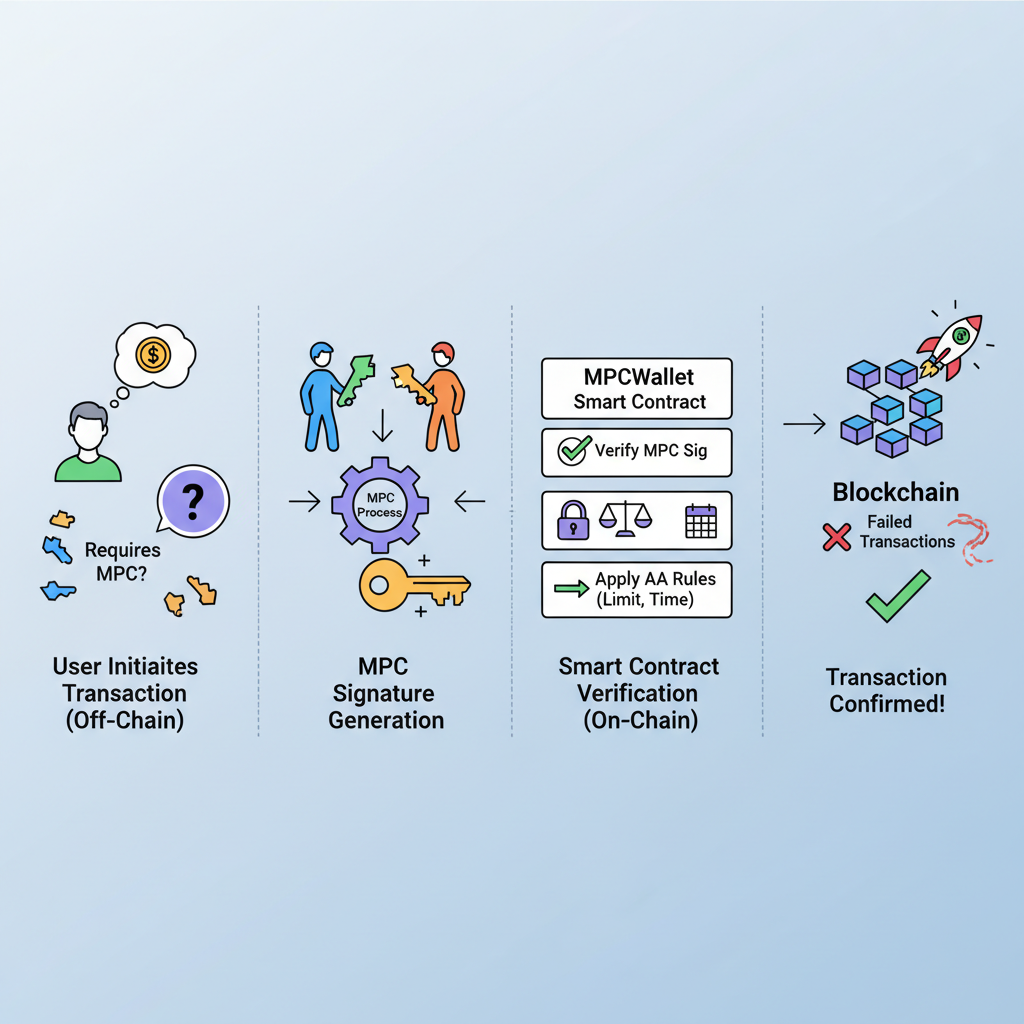
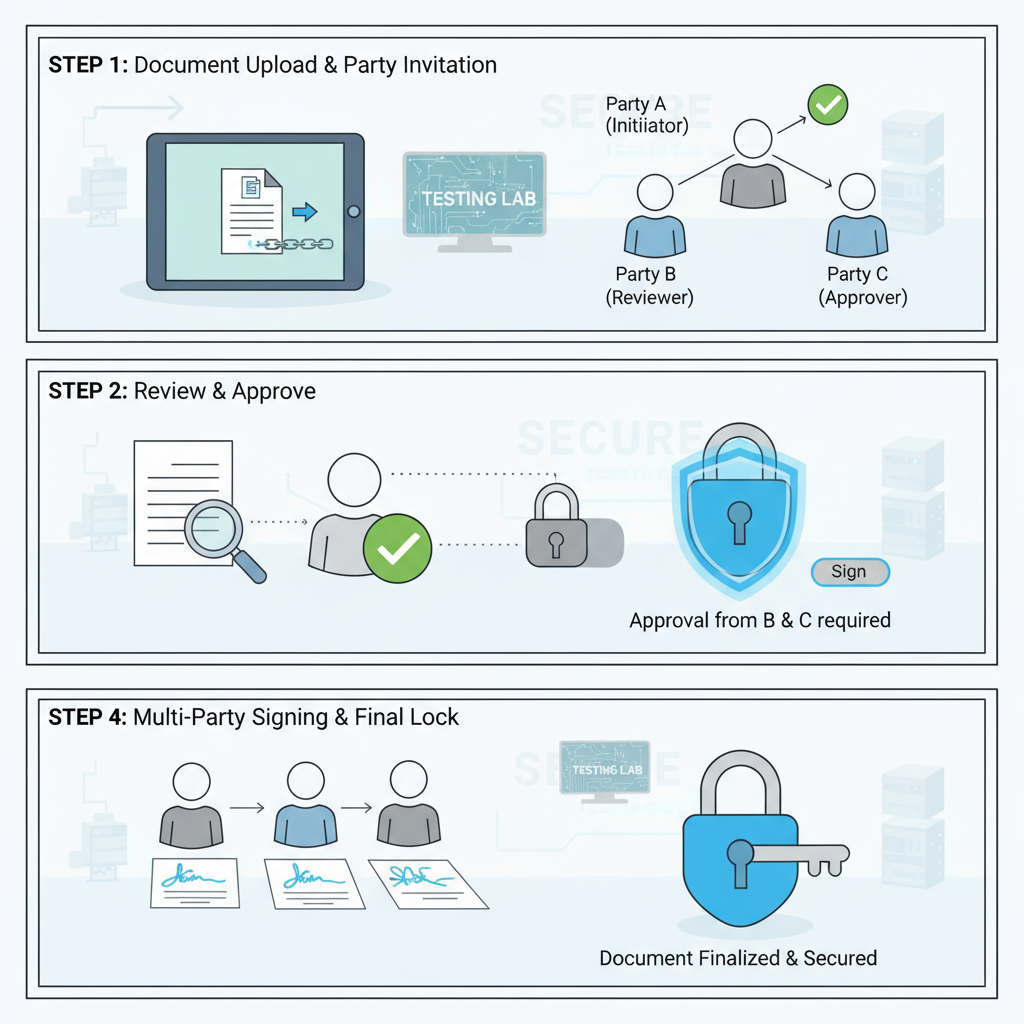
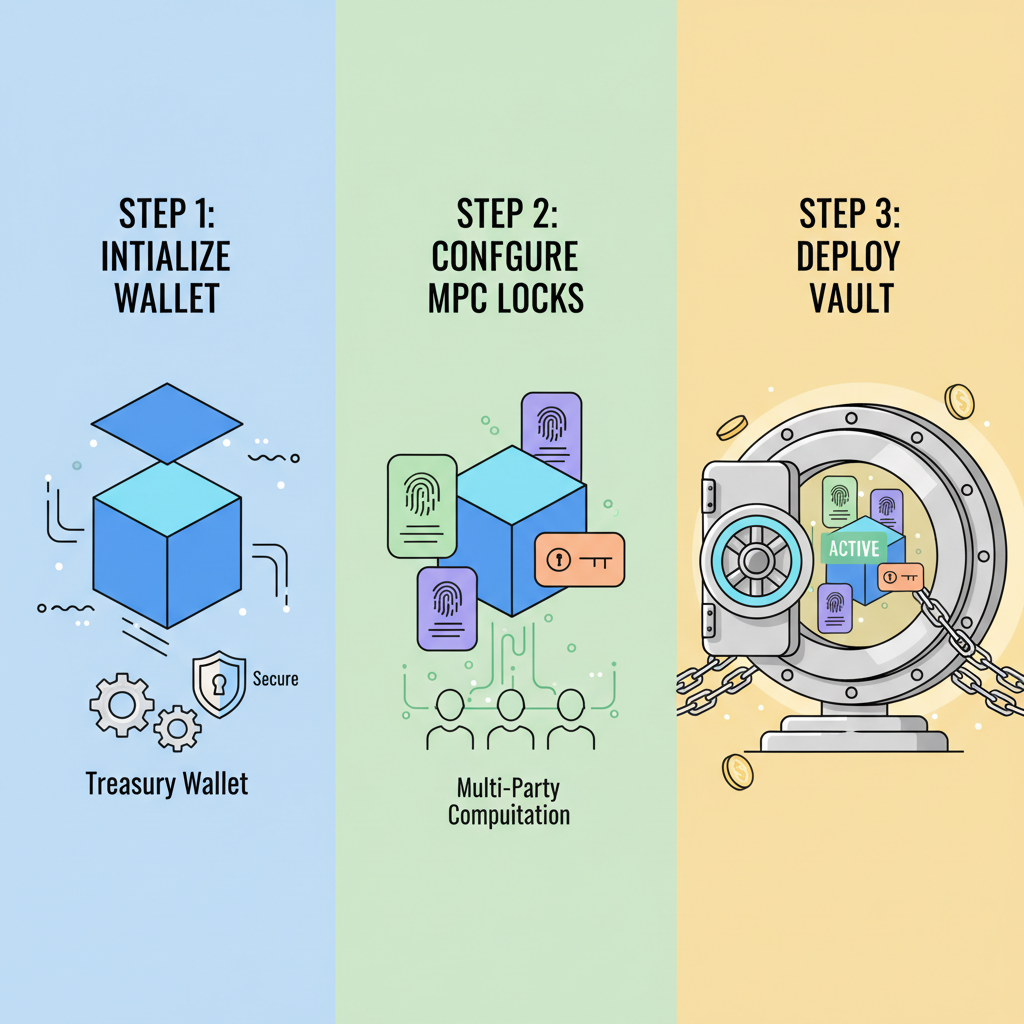
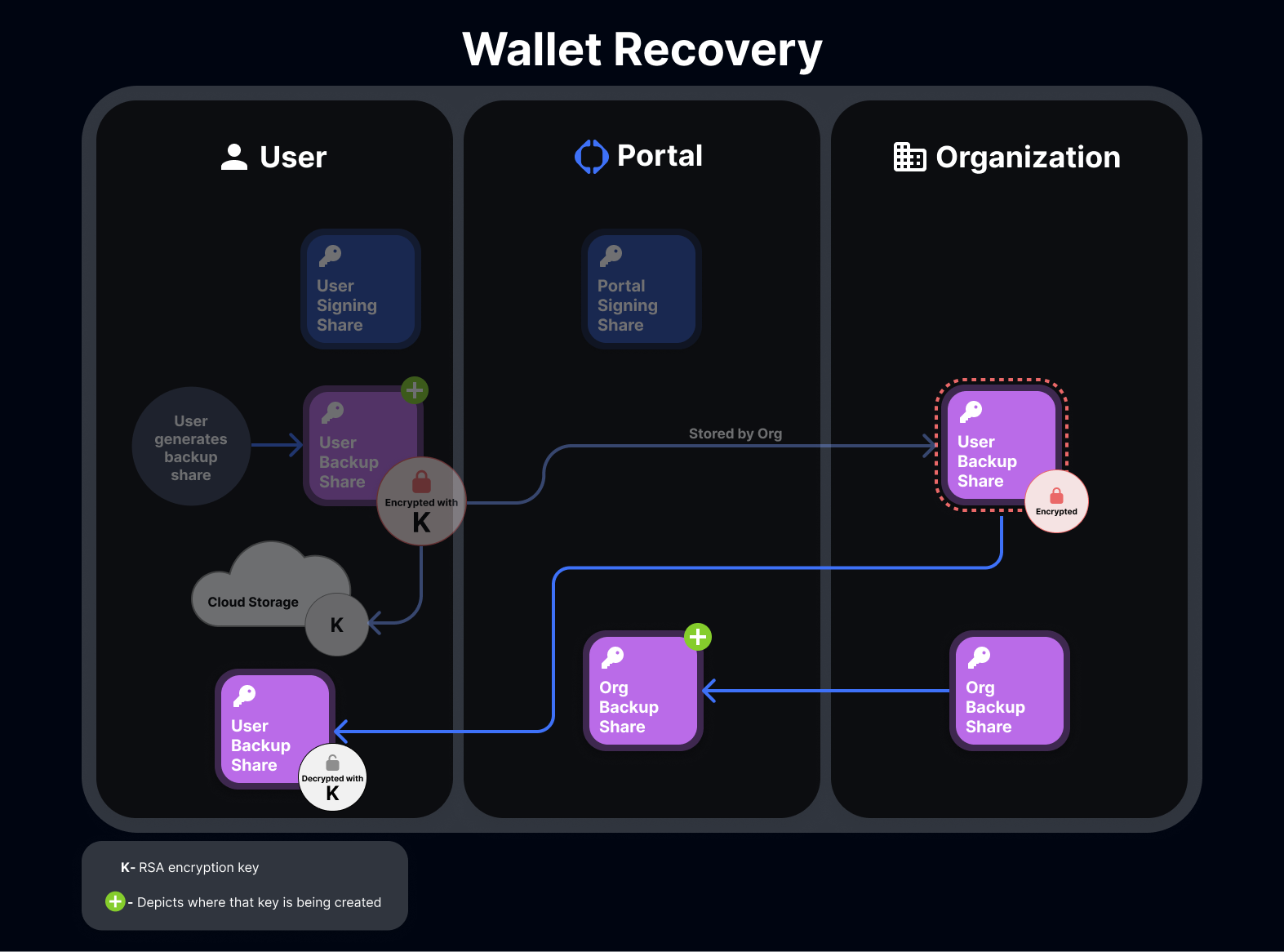
Implementation mirrors DAO ethos: on-chain proposals trigger off-chain MPC ceremonies. Amazon Web Services details core MPC security, from shard generation to joint computation. No full key ever materializes, slashing theft vectors by 99% per industry benchmarks. For account abstraction DAOs, bundlers abstract complexities, letting voters approve via Discord or Snapshot without EOA hassles.
Navigating Risks in Threshold Signature Schemes
Threshold signatures power DAO threshold signatures, but pitfalls lurk. Dishonest nodes could bias computations; robust MPC demands verifiable randomness in shard distribution. BitGo's portal outlines collaborative key gen, where parties jointly create shares sans trusted dealers. My advice: audit protocols rigorously, simulate attacks. Ethereum's $2,115.33 low reminds us volatility amplifies errors; MPC AA's programmable guards, like auto-pauses on outsized moves, mitigate dumps.
Hybrid wallet governance shines in semi-custodial models, per Julia Wu. Groups compute spends collectively, inputs private. Cordial Systems unpacks levels: novices grasp shard basics, pros dive into lattice-based crypto. Veritas reinforces: pieces never fully expose keys. As regs evolve, per S. Horowitz, MPC's transparency aids compliance over multisig fog.
Future-Proofing DAOs with Policy-Driven Custody
Account abstraction DAOs evolve toward policy engines. Embed KYC gates, spend tiers, or AI-flagged anomalies directly in wallets. MPCAAWallet. com pioneers this for teams, fusing unbreakable MPC with AA programmability. No more quorum chases during ETH's 1.96% dips; approvals flow, treasuries secure.
Stakeholders gain confidence: distributed control curbs insiders, automations cut ops costs 70%. Fireblocks touts MPC as crypto's gold standard; DAOs adopting now lead the pack. MPC Alliance pushes multiparty natives, each key share a governance voice.

Shifts demand pragmatism. Ditch fragile multisigs; embrace MPC AA for resilient, programmable control. With ETH steady at $2,249.76 amid swings, DAOs fortify treasuries, prioritizing security that scales. This hybrid path delivers governance fit for billions, minus the cracks.




No comments yet. Be the first to share your thoughts!