

In 2026, Decentralized Autonomous Organizations face a stark reality: traditional wallet security models crumble under the weight of sophisticated attacks and governance complexities. Enter MPC account abstraction hybrid custody, a fusion that's reshaping team wallets security for DAOs. This approach splits private keys across multiple parties via multi-party computation while layering account abstraction for programmable, user-friendly controls. Platforms like MPCAAWallet. com lead this charge, delivering enterprise-grade protection tailored for collective asset management.
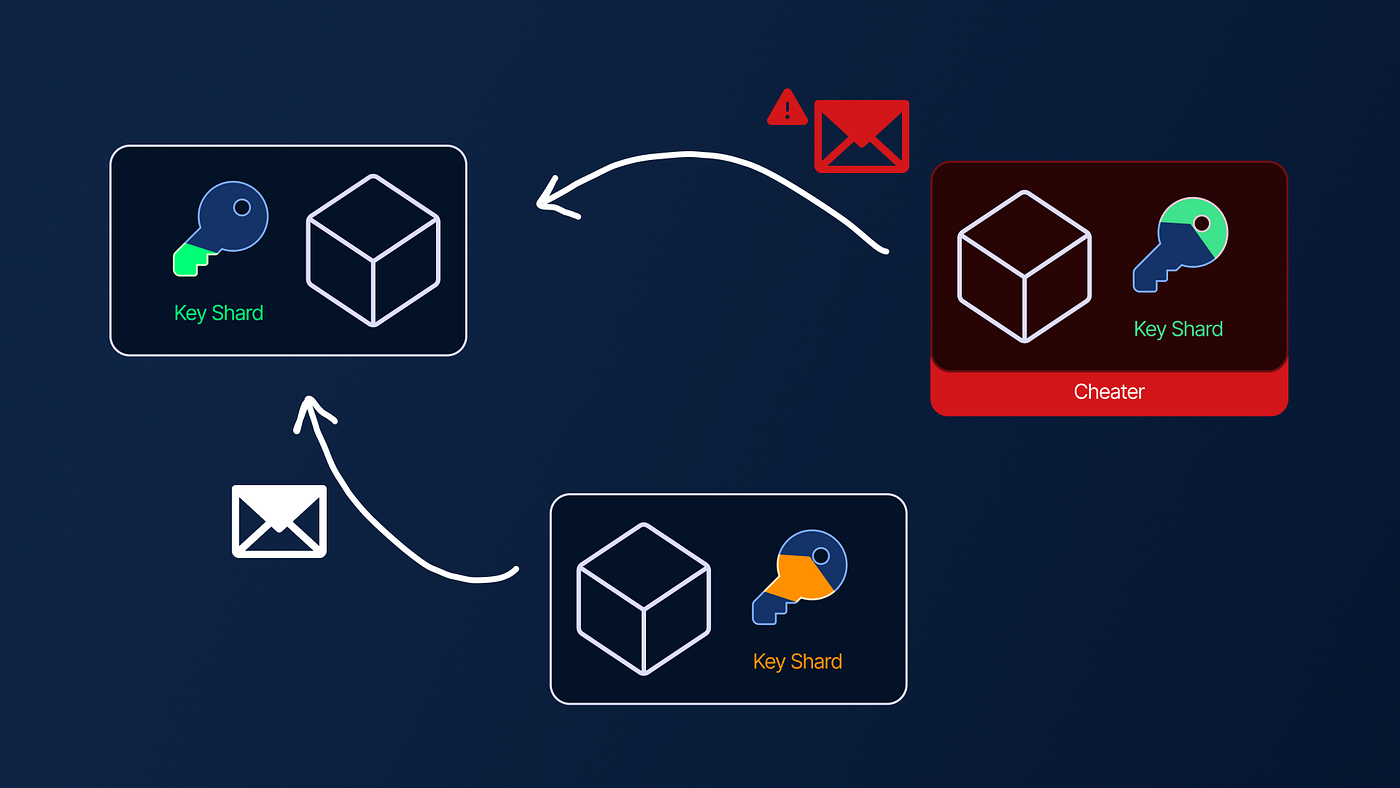
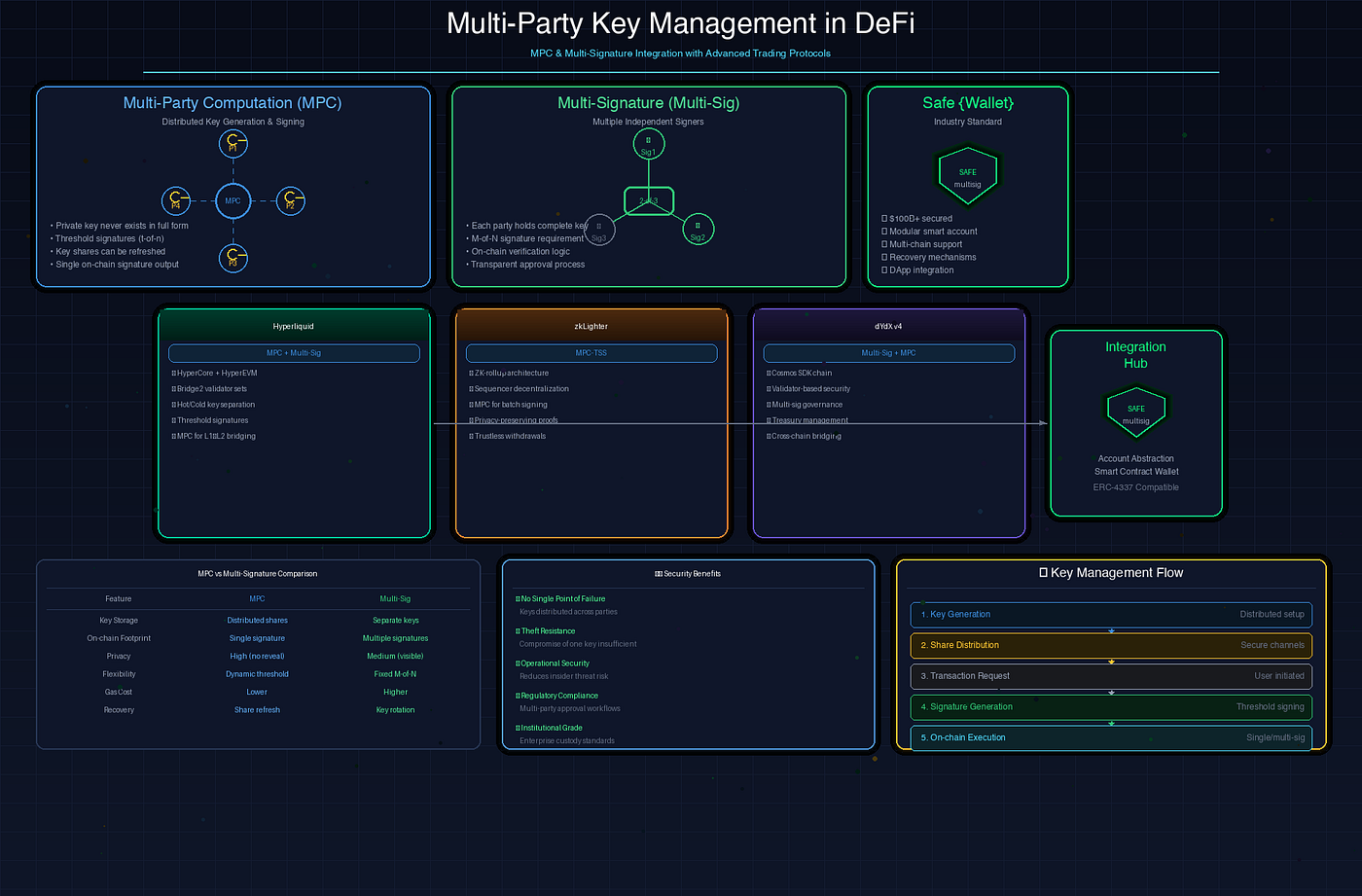
MPC wallets have evolved from niche experiments to institutional mandates. As sources like Fystack note, they now form the default custody architecture for enterprises. Unlike multi-signature setups, which rely on brittle on-chain coordination, MPC generates signatures through distributed computation. No single device or approver holds the full private key; instead, encrypted shares reconstruct it only during transactions. This eliminates single points of failure, a vulnerability Blockdaemon highlights in digital asset custody, where breaches of one party rarely cascade to total loss.
MPC Foundations: Threshold Security for DAO Treasuries
Consider a DAO treasury holding millions in volatile tokens. A 2-of-3 MPC threshold means two shares must collaborate for any outflow, enforcing consensus without exposing keys. Cobo's security guide underscores how this architecture withstands insider threats and external hacks. Fireblocks' reports on transaction processing reveal MPC's edge in speed and compliance, processing approvals off-chain for near-instant finality.
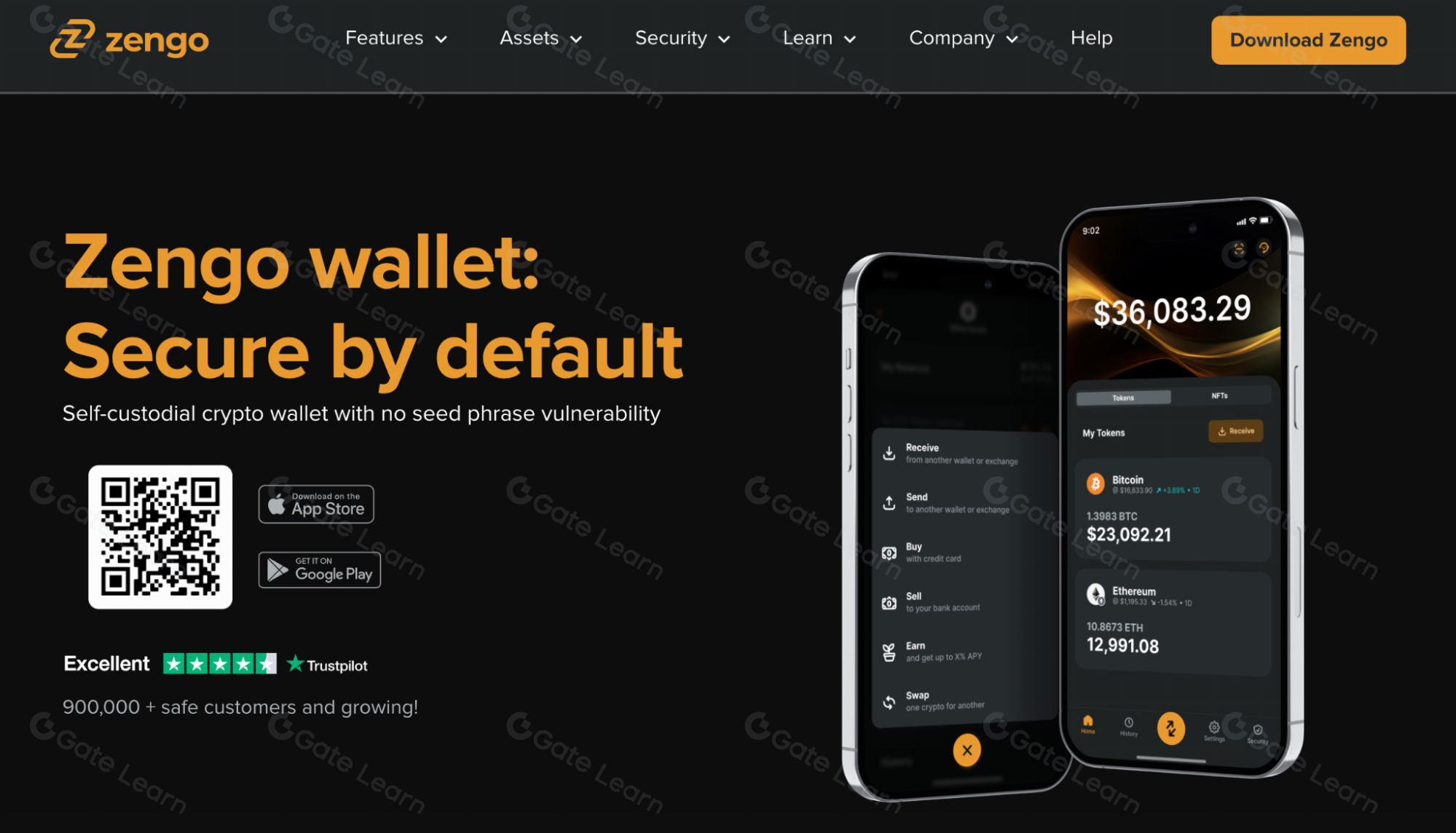
For startups and DAOs, this practicality shines. CoinsDo's top MPC wallets list emphasizes seamless user control, with biometric logins replacing cumbersome seed phrases. Zengo's implementation, as per recent analyses, pairs MPC with cloud backups, proving recovery without compromising shards. In my 18 years managing institutional assets, I've seen MPC reduce breach probabilities by orders of magnitude; it's not hype, it's mathematics.

Account Abstraction: Programmable Policies for Multi-User Wallets
Account abstraction elevates MPC from secure vault to dynamic engine. AA treats wallets as smart contracts, abstracting away Ethereum's externally owned account limitations. DAOs gain gasless transactions, social recovery via guardians, and custom logic for approvals. Calibraint's 2026 outlook details how this duo transforms enterprise custody, enabling session persistence and automated compliance checks.
Imagine a DAO proposal triggering funds only after quorum and KYC verification; AA encodes this natively. Safeheron's comparisons spotlight hybrid wallets offering social recovery, where trusted members restore access sans seeds. OKX's MPC keyless and AA wallets exemplify this, blending convenience with robustness. For teams, MPCAA wallet policies mean granular controls: time-locks, spending caps, and role-based access, mirroring corporate treasuries but on blockchain.
Core MPC AA Benefits for DAO Wallets
- Enhanced Key Sharding: MPC splits private keys into encrypted shares across parties or devices, eliminating single points of failure. (e.g., Fireblocks MPC)
- Policy Enforcement: Account abstraction enables smart contract-based rules for transactions, mirroring corporate governance in DAOs.
- Recovery Options: Supports social recovery via guardians, biometric auth, and cloud backups without seed phrases. (e.g., Zengo)
- Multi-Approval Workflows: Implements multi-level approvals for team wallets, ensuring secure DAO operations. (e.g., OKX Web3 MPC-AA)
- Compliance Automation: Automates regulatory checks and KYC via smart contracts, standard for institutional custody. (e.g., Cobo MPC)
Hybrid Custody Emerges: MPC-AA Synergy for Secure Crypto Custody Teams
The true power unlocks in hybrids like MPCAAWallet. com's offering. Here, MPC handles cryptographic heavy lifting, while AA overlays programmable interfaces. ChainUp's custody guide positions MPC as multi-sig's superior successor, and hybrids amplify this. DAOs implement multi-level workflows: junior members propose, seniors approve, all under threshold signatures.
Antier Solutions ranks top MPC providers by cost-security balance, but hybrids win on usability. Coincub's 2026 wallet roundup favors those with AA for hot-cold fluidity. In practice, a DAO compromised in one shard remains solvent; AA's guardians step in seamlessly. This isn't mere tech stacking; it's policy-driven governance. As I advocate, enterprise security starts with threshold signatures and compliance policies. For hybrid custody DAO operations, this duo mitigates risks invisible in legacy setups, from phishing to rug pulls.
Platforms integrating both, per updated 2026 contexts, empower DAOs with invisible wallets: no phrases, just biometrics and roles. Cryptollia's analysis heralds the seed phrase's death, replaced by passkeys and MPC-AA. Teams scale confidently, focusing on strategy over key hygiene.
Real-world deployment reveals the hybrid's edge in secure crypto custody teams. DAOs like those managing DeFi protocols or NFT collectives now embed MPC-AA into governance smart contracts. A treasury proposal routes through AA logic: multisig thresholds via MPC, executed only post-vote. This setup, detailed in WalletInvestor's 2026 report, mirrors Zengo's biometric MPC with AA's guardian recovery, slashing downtime from weeks to minutes.
Custom Policies: MPCAA Wallet Policies in Action
At the heart of MPCAAWallet. com lies policy engines that turn abstract security into enforceable rules. Define thresholds dynamically: 3-of-5 for routine spends, 4-of-7 for high-value transfers. Layer AA for batched transactions, fee sponsorship from protocol tokens, or even oracle-triggered disbursements tied to performance metrics. This isn't boilerplate; it's tailored compliance. In institutional asset management, I've audited setups where vague policies invited exploits. MPCAA enforces them cryptographically, auditing trails immutably on-chain.
Consider spending limits per role: developers capped at $10K monthly, executives unlimited post-dual approval. Time-based vesting for grants ensures alignment. Safeheron's feature breakdowns praise such granularity, outpacing pure MPC rivals. For DAOs, this democratizes treasury control without chaos, fostering trust among pseudonymous members.
Challenges persist, yet hybrids address them head-on. Legacy multi-sig suffers frontrunning and chain congestion; MPC offloads computation, AA optimizes gas. Recovery remains tricky in pure MPC, but AA's guardians provide multi-path redundancy. Cobo and Fireblocks emphasize institutional audits, now standard in 2026 MPC suites. Hybrids like those from CoinsDo's top list integrate hardware security modules alongside software shards, balancing cold storage with hot usability.
Case Studies: DAOs Thriving with Hybrid Custody
Take a mid-tier DAO treasury at $50M AUM: post-2025 hack waves, they migrated to MPC-AA. Result? Zero incidents, 40% faster proposals, per Calibraint case analogs. Another, a venture collective, used policy-locked wallets for LP positions, auto-rebalancing via AA oracles. These aren't outliers; ChainUp's evolution guide charts MPC's dominance, hybrids accelerating adoption. My view: DAOs ignoring this lag in capital attraction, as investors demand audited, policy-rich custody.
MPC vs Multi-Sig vs MPC-AA: Comparison for Secure DAO Team Wallets
| Category | Metric | MPC | Multi-Sig | MPC-AA |
|---|---|---|---|---|
| Security | Single failure risk | Low ✅ - Distributed key shares eliminate SPOF | Medium ⚠️ - Threshold needed, but single key breach risky | Very Low ✅ - MPC + AA smart contracts prevent total compromise |
| Security | Insider threat | Low ✅ - No single party holds full key | Medium ⚠️ - Collusion among signers possible | Very Low ✅ - Guardians and social recovery mitigate |
| Usability | Approval speed | Fast - Threshold MPC signing | Slow - Multiple on-chain signatures | Fastest ✅ - AA enables batched txs & session keys |
| Usability | Recovery time | Medium - Share recovery protocols | High - Manual key replacement | Low ✅ - Social recovery & passkeys (e.g., Zengo-style) |
| Cost | Setup | Medium - MPC network configuration | Low - Simple contract deploy | Medium - MPC + AA smart account setup |
| Cost | Per tx | Low - Efficient off-chain MPC | High - Multiple txs for sigs | Low ✅ - Gas abstraction in AA |
| DAO Fit | Policies | Good - Programmable thresholds | Limited - Fixed multisig rules | Excellent ✅ - Custom AA workflows mimic governance |
| DAO Fit | Multi-user scale | Good - Shard distribution | Poor - Tx fees & complexity grow | Excellent ✅ - Efficient multi-approver flows |
Looking ahead, 2026 marks MPC account abstraction's inflection. With Ethereum's Prague upgrade embedding AA natively, cross-chain bridges extend hybrid benefits. Platforms evolve: session keys for dApp interactions, AI-driven anomaly detection on shards. Antier Solutions forecasts cost drops, making enterprise MPC accessible to nascent DAOs.
For teams eyeing scale, MPCAAWallet. com stands ready. Its fusion delivers unbreakable security, fluid operations, and governance that scales with ambition. DAOs equipped thus navigate crypto's tempests, treasuries intact, members aligned. Threshold signatures and compliance policies aren't options; they're the new baseline for enduring success.




No comments yet. Be the first to share your thoughts!