
DAOs are booming, but let's face it: most are still chained to custodial wallets that scream 'centralized risk' in a decentralized world. Imagine your treasury locked behind a single point of failure, where one hack or rogue custodian could wipe out millions. Enter MPC wallets with policy engines, fused with account abstraction for hybrid custody that lets teams escape the trap without sacrificing speed or security. This isn't just tech jargon; it's the agile upgrade DAOs need for non-custodial team wallets that actually work.
Ditching the Custodial Nightmare for True DAO Control
Picture this: a DAO treasury sitting in a custodial setup, mimicking old-school banks with their 'trust us' vibe. Centralized custodians hold the keys, manage everything, and yeah, they offer convenience. But convenience comes at a cost. Recent breaches remind us that even 'secure' custodians aren't bulletproof. Self-custody? It's the crypto dream, yet multisig wallets fall short with clunky coordination and single-shard vulnerabilities.
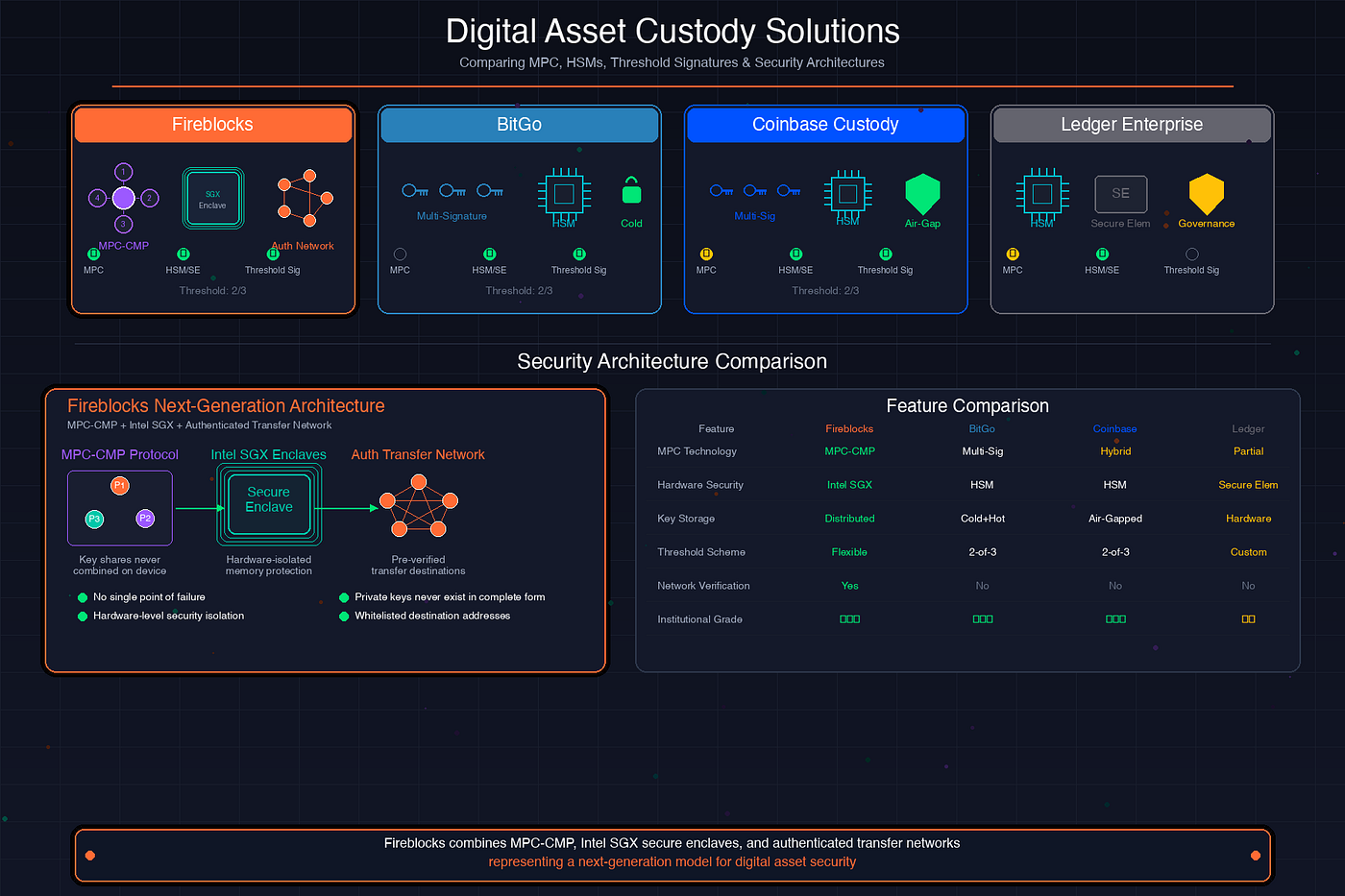
That's where MPC wallets policy engines shine. Multi-party computation splits private keys into shards across participants, so no one holds the full key. Breach one? No biggie. As Fireblocks and MPC Alliance highlight, this tech eliminates single-party risks, perfect for DAOs juggling multi-chain assets. Startups like those on Fystack are already ditching multisig for MPC's threshold signatures, boosting security without the ops headache.
Hybrid MPC AA custody takes it further. Account abstraction adds programmable smarts, turning wallets into smart contracts that handle gasless txs and social recovery. No more seed phrases haunting your dreams; it's seedless self-custody, as Nichanan Kesonpat nails it on Medium.
MPC vs. the Old Guard: A Game-Changing Breakdown
Why MPC over multisig or full custody? It's not hype; it's math-backed resilience. Cube Exchange breaks it down: MPC uses cryptographic wizardry for collaborative signing without exposing keys. Risks like key theft? Slashed. Scalability for hot wallets? Check, per Cordial Systems.
I've traded high-vol DeFi plays with MPC-AA setups, and the difference is night and day. Teams coordinate seamlessly, no more 'where's the 6th signer?' drama. It's energetic, efficient, and empowers agile ops.
Policy Engines: The Brainpower Behind DAO Wallet Policies
Raw MPC is powerful, but pair it with policy engines, and you've got a governance beast. These engines enforce DAO wallet policies like spending caps, multi-approvals, or time-locks directly in the wallet. Fordefi integrates this with secure enclaves; Fireblocks shards keys across clouds for redundancy.
The updated landscape? DAOs are flocking to this for treasury management. Programmable custody via AA lets you abstract away complexities: batched txs, role-based access. ArXiv's take on autonomous agents calls it a paradigm shift. No more custodial traps; it's hybrid magic blending self-custody security with team usability.

Granular controls mean a dev can't drain funds solo, but proposals sail through with quorum. Real-time compliance? Baked in. This account abstraction MPC fusion is revolutionizing how organizations handle assets, from startups to behemoth DAOs.
Think about it: your DAO's treasury isn't just sitting pretty; it's actively protected by rules that mirror your on-chain votes. Want to limit trades to under 5% of AUM unless 75% quorum approves? Policy engines make it happen automatically. No human error, no after-the-fact audits scrambling in panic mode.
Real-World Wins: DAOs Leveling Up with Hybrid MPC AA Custody
DAOs aren't waiting around. Take those pioneering hybrid MPC AA custody setups; they're already powering treasury ops at scale. Fireblocks' three-key shard system, distributed across clouds, pairs perfectly with Fordefi's policy enforcement for ironclad ops. I've seen teams deploy these for DeFi yield farming, where volatility demands split-second decisions backed by unbreakable security.
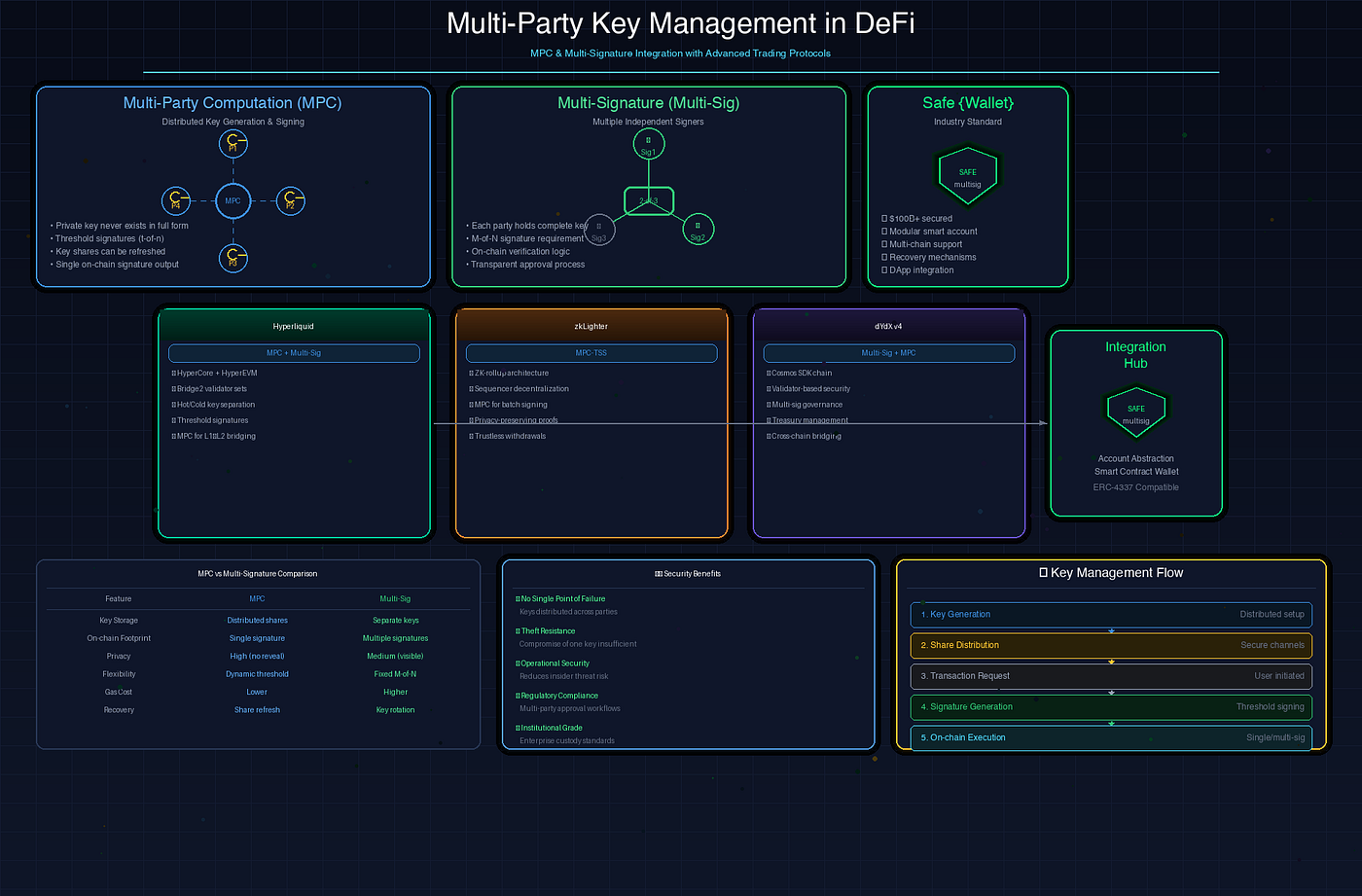
Non-custodial team wallets shine here. No more begging VCs for custodial access or wrestling multisig delays. Account abstraction layers on gasless batching, so your proposal executes across chains without frontrunning nightmares. Safeheron's multi-chain support means ETH, SOL, BTC all play nice under one policy umbrella. It's the fusion DAOs crave: self-custody strength meets enterprise polish.
Picture a mid-sized DAO managing $50M in assets. Pre-MPC? They'd sweat every tx, chasing signers globally. Now? Policy engines auto-approve routine ops like payroll, flag outliers for review. Cordial Systems nails it: MPC scales hot wallets for institutions, but DAOs get the decentralized twist.
Future-Proofing Your DAO: The Road to Programmable Treasuries
Zoom out to 2026 trends, and MPC wallets policy engines dominate. Autonomous agents from ArXiv papers evolve into AA-powered bots executing governance on autopilot. Seedless self-custody evolves, ditching mnemonic hell for recovery via trusted networks. Fystack's overview for startups? MPC hybrids are the sweet spot: non-custodial freedom without solo keyholder terror.
Challenges? Sure, MPC coordination adds latency versus solo keys, but threshold sigs minimize it. Risks like collusion? Policy engines counter with rotating shards and anomaly detection. ChainUp's guide predicts MPC fully replaces multisig by 2027, and I'm betting DAOs lead the charge.
For agile teams, this means unleashing trades without custody chains. Deploy gasless strategies, enforce DAO wallet policies that adapt to votes, monitor compliance in real-time. It's not just secure; it's a competitive edge in DeFi's wild west.
Hybrid MPC AA custody isn't a nice-to-have; it's the escape hatch from custodial pitfalls. DAOs adopting now position for explosive growth, handling billions with confidence. Secure your keys, unleash your trades - your treasury deserves this upgrade.



No comments yet. Be the first to share your thoughts!