
In 2026, DAOs face a stark reality: traditional multisig setups crumble under the weight of sprawling treasuries and regulatory scrutiny. Enter MPC AA hybrid custody - a bold fusion of multi-party computation and account abstraction that's redefining DAO team wallets. This isn't just security; it's programmable power that hands control back to decentralized teams without the chaos of seed phrases or single points of failure. Platforms like Zengo and Krayon are leading the charge, proving that seedless recovery and role-based permissions can coexist with unbreakable encryption.
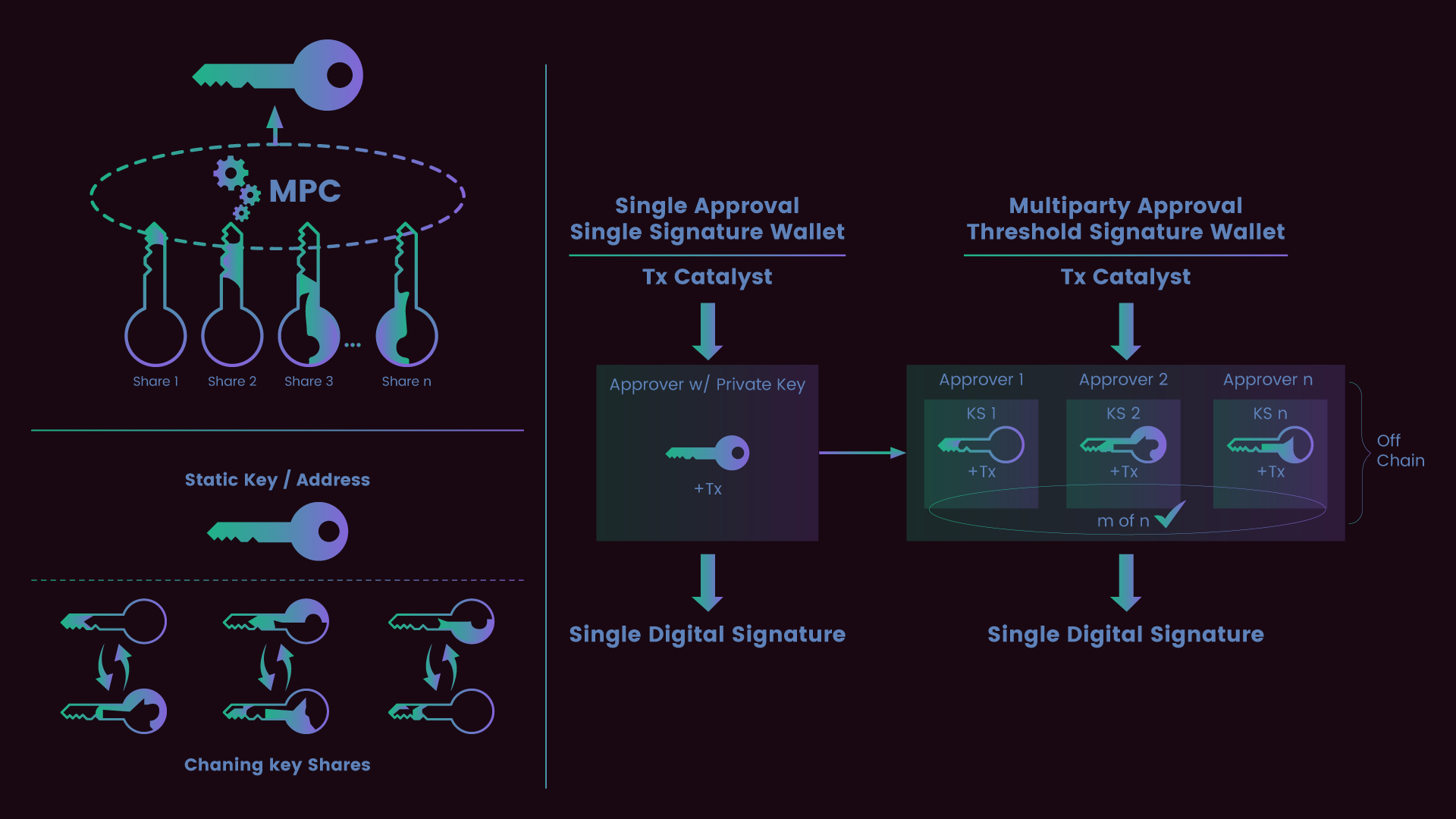
MPC shatters the private key monopoly by splintering it across participants. No one holds the full prize, slashing breach risks even if insiders turn rogue. Pair this with AA's smart contract magic, and DAOs unlock granular access controls crypto wizards only dreamed of. Imagine transactions that auto-approve payroll under $10K but demand quorum for mega-buys - all enforced on-chain, no humans fumbling approvals at 3 AM.
Why MPC Outmuscles Multisig for DAO Treasuries
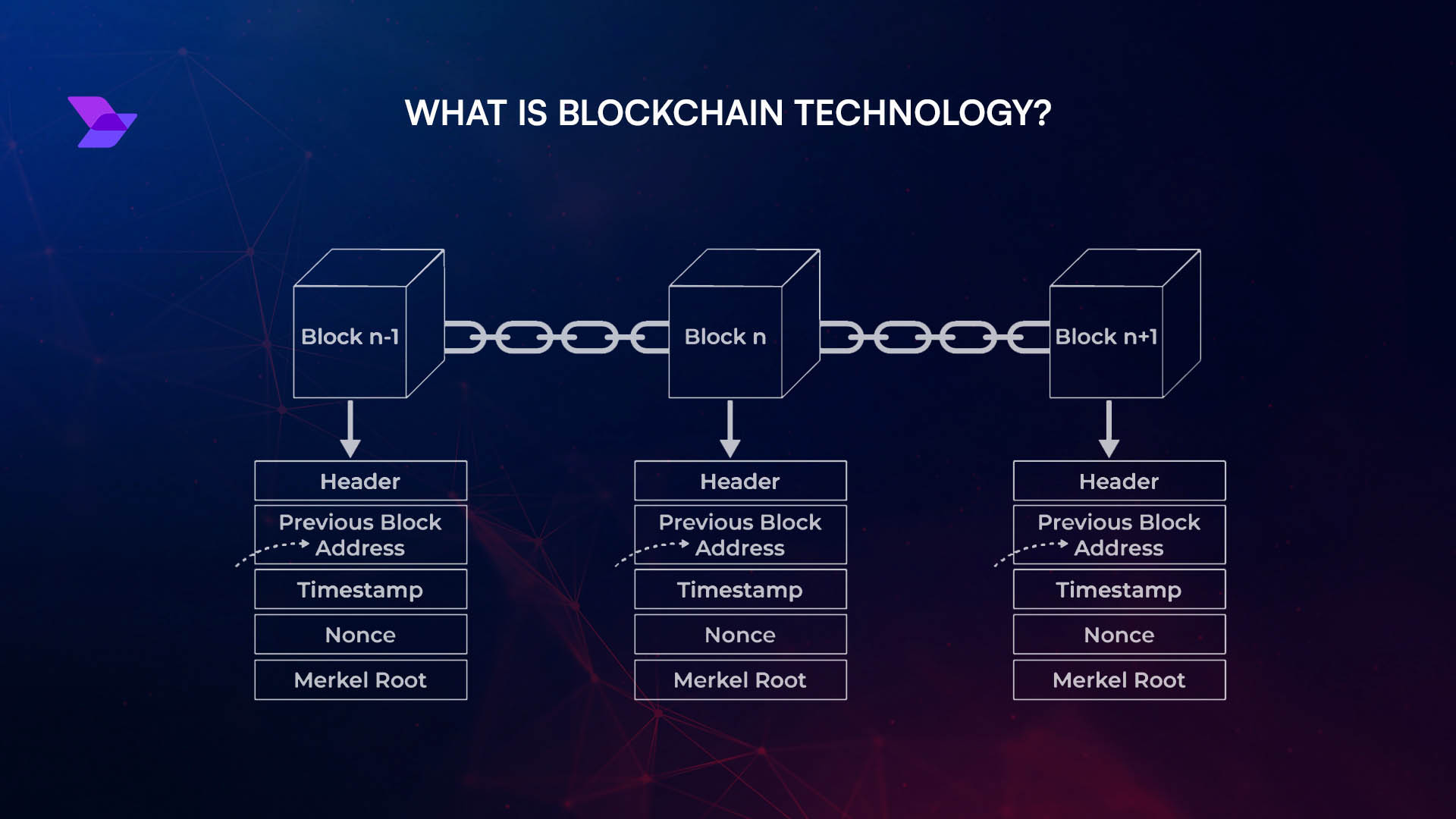
Multisig? It's 2022 tech. Slow, brittle, and a hacker's playground when one key leaks. MPC flips the script with cryptographic shares distributed via threshold schemes. Breach three out of five? Funds stay locked. Blockdaemon nails it: even multiple compromises won't unlock the vault. For DAOs juggling millions, this distributed control means stakeholders approve via biometrics or hardware shards, no clunky coordination apps.
Hybrid setups shine brighter. Stackup. fi's 2025 guide spotlights how new architectures blend MPC's shards with AA externals, ditching single failures entirely. Cobo echoes this for protocols: multiple voices in every tx, pure democracy without the drama. DAOs like those on Hyperliquid integrate MPC-multisig hybrids for CEX-speed with self-custody steel, per Medium insights.
Account Abstraction Policies: The Brain of Secure Multi-User Wallets
AA isn't fluff; it's the OS for wallets. ERC-4337 lets DAOs code account abstraction policies that evolve. Want spend limits per role? Time-locks on proposals? AI-flagged phishing blocks? Done. Calibraint forecasts this duo transforming enterprise custody by 2026, and they're spot-on. Krayon's MPC wallets bake in user roles and custom tx rules, perfect for DAO ops.
Granularity gets fierce: layered keys split user-held shards from escrowed backups. On-device AI scouts threats, suggesting recoveries without phoning home data. Privacy guardian networks let trusted nodes assist sans exposure. LlamaRisk clarifies: shared MPC control dodges MiCA 'custody' tags, keeping DAOs regulator-agnostic.
Core MPC AA Advantages for DAOs
- Distributed Key Security: MPC splits private keys across parties, eliminating single points of failure for DAO treasuries. (Powered by platforms like Zengo and Blockdaemon)
- Role-Based Permissions: Granular controls via AA enable multi-sig approvals and custom rules, as in Krayon's team wallets.
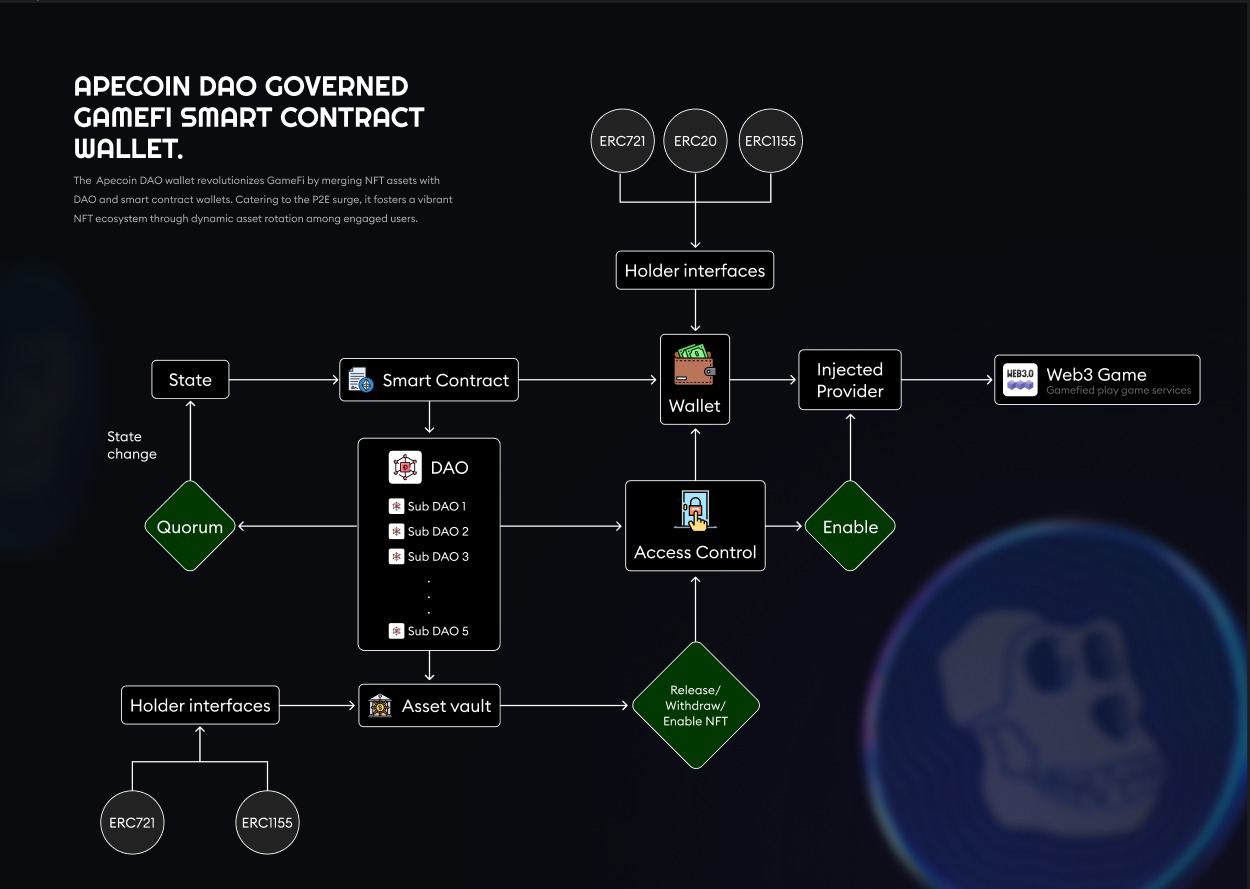
- Automated Compliance Checks: Built-in alignment with MiCA and SEC via programmable rules and shared control models.
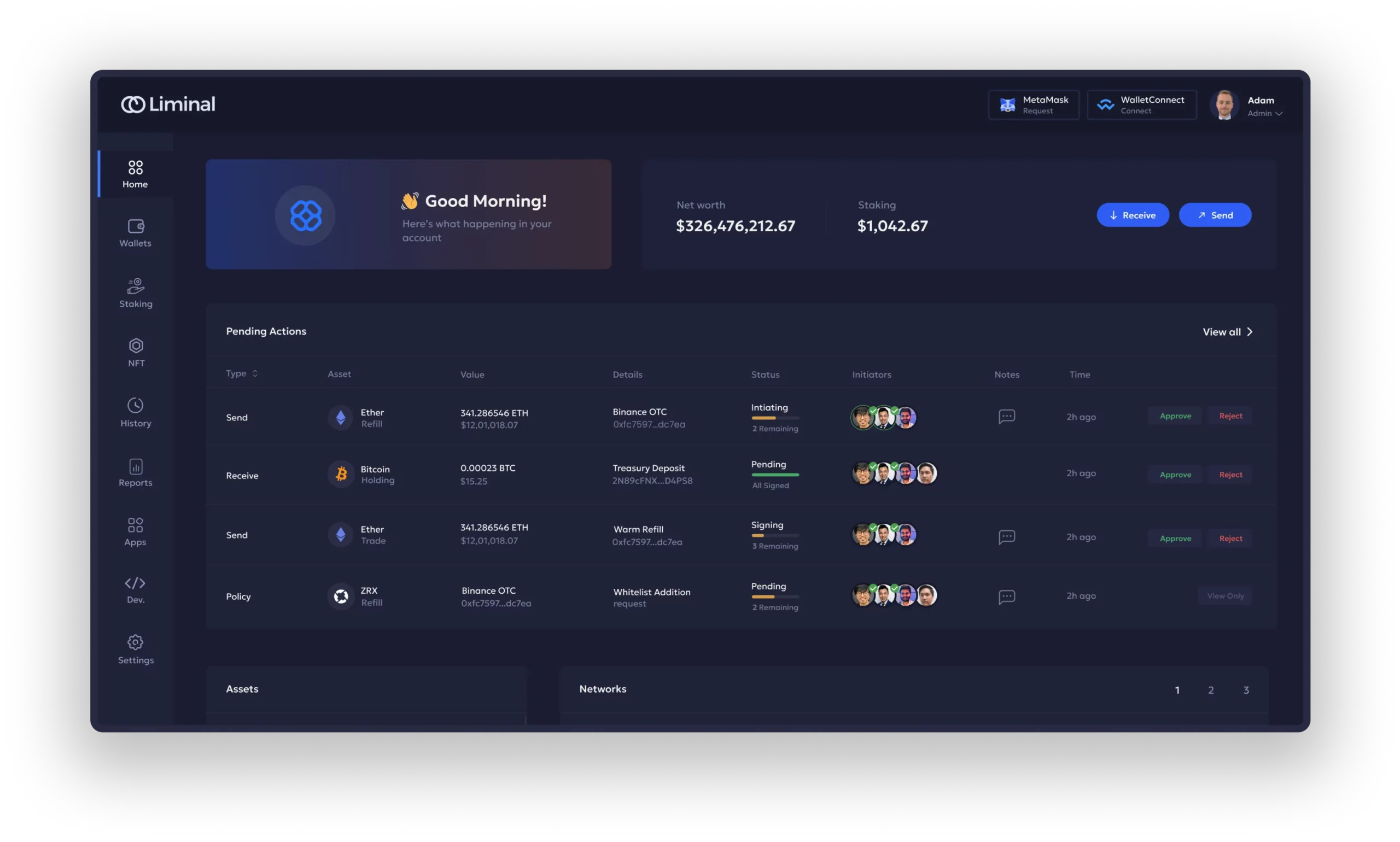
- Seedless Recovery: Biometric auth and cloud backups replace vulnerable seed phrases for seamless DAO ops.

- On-Chain Audit Trails: Time-bound delegations emit verifiable proofs for transparent, revocable governance.
Granular Access Controls: Locking Down DAO Team Wallets
Picture this: treasury lead proposes a grant; ops verifies compliance; community votes via quadratic snapshots - all before MPC shards align for signing. No full keys exposed, ever. Fystack calls MPC enterprise infra's backbone, extending past cold storage to team flows. ChainUp's evolution chart shows MPC eclipsing multisig for speed-security balance.
Operational frameworks demand precision. Auditable delegations issue time-bound proofs, revocable instantly. Conditional signatures enforce rules like "only if governance passes. " Safeheron's breakdown: keys shard across devices, recomputed on-demand. For DAOs, this means secure multi-user wallets 2026 that scale with membership booms, minus trust pitfalls.
DEV Community weighs in: custodial convenience meets self-custody fortitude in MPC, sans clunk. Medium's seedless self-custody push aligns perfectly - smart wallets plus MPC equals DAO nirvana. As treasuries balloon, these controls aren't optional; they're survival gear.
DAOs that ignore this hybrid edge risk treasury meltdowns amid phishing epidemics and insider threats. MPC AA setups don't just protect; they propel growth by streamlining ops that once choked on bureaucracy.
Real-World Wins: DAOs Thriving with MPC AA Hybrid Custody
Krayon's platform exemplifies this shift, arming DAOs with role management that gates transactions by type and value. Treasury managers greenlight routine swaps; quorums tackle investments. Zengo's seedless MPC onboarding slashes recovery friction, letting teams focus on strategy over key hunts. Hyperliquid's MPC-multisig blend delivers CEX velocity with self-custody armor, proving hybrids crush pure-play limits.
Take a mid-tier DAO managing $50M in assets: pre-hybrid, multisig delays cost opportunities during market pumps. Post-MPC AA, automated policies execute grants in minutes, backed by distributed shards. Compliance? Baked in via auditable trails that regulators devour. This isn't theory; it's 2026's operational reality, where Fystack's enterprise MPC infra meets Calibraint's AA forecasts head-on.
Comparison of DAO Custody Models: MPC AA Hybrid vs Multisig vs Custodial
| Custody Model | Security | Speed | Granularity | Compliance Ease | Pros | Cons |
|---|---|---|---|---|---|---|
| MPC AA Hybrid | 🔒🔒🔒 High No single point of failure, distributed key shares | 🚀🚀 High AA enables programmable tx automation | 🎛️🔥 High Role-based permissions & custom rules | ✅✅✅ High Aligns with MiCA/SEC via shared control | Distributed control, seedless recovery, auditable delegation, granular access | Complex initial setup & integration |
| Multisig | 🔒🔒 Medium Risk of key compromise or collusion | ⚡⚡ Medium Multiple signatures slow approvals | 🎛️ Medium Fixed thresholds only | ✅✅ Medium Basic tools available | Proven decentralized model, no third-party custody | Key management vulnerabilities, slower than MPC |
| Custodial | 🔒 Low Centralized counterparty risk | 🚀🚀🚀 High Instant provider-managed access | 🎛️ Low Limited user controls | ✅✅✅ High Fully regulated providers | Convenient & fast operations | Loss of sovereignty, single point of failure |
Navigating Compliance in the Hybrid Era
Regulators circle like sharks, but MPC AA hybrid custody turns compliance into a superpower. MiCA and SEC rules demand control proofs without ceding keys. LlamaRisk demystifies: MPC's shared signing evades 'custody' labels, as no single party dominates. DAOs layer user shards with escrowed backups, issuing on-chain proofs for every action.
Auditable delegations shine here - time-bound roles emit verifiable credentials, revocable at governance whim. Conditional signatures tie spends to votes or oracles, enforcing policies sans trust. This setup aligns decentralized ethos with enterprise audits, letting DAOs court institutions without selling souls.
Privacy-first guardians add muscle: nodes assist recoveries via encrypted channels, no data leaks. On-device AI flags anomalies pre-sign, blocking exploits before they bite. ChainUp's custody evolution pegs MPC as multisig's successor for good reason - it balances speed, security, and scrutiny.
Building Your DAO Team Wallet Fortress
Rollout starts with layered architecture: shard keys across hardware, cloud, and biometrics. Define roles via AA policies - juniors for ops, seniors for strategy. Test with dry runs, simulate breaches to harden thresholds. Integrate guardian networks for seamless recoveries, ensuring no downtime derails missions.
Scale fearlessly: as members join, dynamic policies onboard shards automatically. Blockdaemon's MPC custody eliminates multi-breach risks, while Stackup. fi's hybrids outpace solos. Seedless self-custody, per Medium visionaries, fuses smart wallets with MPC for ultimate resilience.
Forward-thinking DAOs bet on this fusion. MPC AA hybrid custody crafts secure multi-user wallets 2026 that evolve with threats, empowering teams to conquer markets. Ditch fragility; embrace the unbreakable. Your treasury demands it - innovate securely, scale fearlessly.



No comments yet. Be the first to share your thoughts!