
Get an MPC AA Wallet Right
Before you deploy an MPC AA wallet, you need to align three distinct layers: the key generation protocol, the smart contract logic, and the user experience. Each layer introduces specific tradeoffs. Skipping the setup phase here leads to failed transactions or locked funds later.
Start by selecting a wallet-as-a-service provider that supports both Multi-Party Computation (MPC) and Account Abstraction (EIP-4337). Providers like Portal and ZeroDev offer integrated stacks, but you must verify that their MPC nodes are truly decentralized and that their AA bundlers are reliable. If you build in-house, you need separate teams for cryptographic infrastructure and smart contract development.
Next, define your recovery strategy. Unlike traditional wallets, an MPC AA wallet uses social recovery or threshold signatures to restore access without a single seed phrase. This requires setting up guardians (friends, devices, or institutions) and defining the threshold (e.g., 2 of 3). Test this flow immediately. If your recovery process is too complex, users will abandon the wallet before they even start.
Finally, handle gas fees. Account Abstraction allows for paymaster sponsorship, meaning users don't need ETH to start. Decide whether you will subsidize gas for early adopters or require users to hold native tokens. This decision impacts user acquisition costs and wallet complexity. Don't assume users understand ERC-20 allowance approvals for gas payment. Keep it simple, or provide clear, in-app guidance.
Work through the steps
MPC AA Wallet works best as a clear sequence: define the constraint, compare the realistic options, test the tradeoff, and choose the path with the fewest hidden costs. That order keeps the advice usable instead of decorative. After each step, pause long enough to check whether the recommendation still fits the reader's actual situation. If it depends on perfect timing, unusual access, or a best-case budget, include a simpler fallback.
Fixing common mistakes
Even with MPC and account abstraction handling the heavy lifting, user error remains the primary attack vector. These technologies remove the need to memorize seed phrases, but they introduce new points of failure in how you configure and interact with your wallet. Avoiding these pitfalls ensures your social recovery and programmable features actually work when you need them.
Ignoring social recovery setup
The biggest mistake users make is treating social recovery as an afterthought. If you set up the wallet without designating trusted guardians (friends, family, or other devices), you are back to square one. If you lose your device and your recovery threshold isn't configured, your funds are permanently locked. Ensure your guardians are aware of their role and that their contact information is up to date before you deposit significant value.
Overlooking gas fee limits
Account abstraction allows for sponsored transactions, but it doesn't mean you should ignore gas limits. Many users set their session keys or smart account permissions too broadly, allowing a dApp to execute unlimited transactions. Always audit the sessionKey permissions. Restrict them to specific contract addresses and set daily spending caps. This prevents a compromised dApp from draining your wallet even if your private key shares are secure.
Confusing MPC with multisig
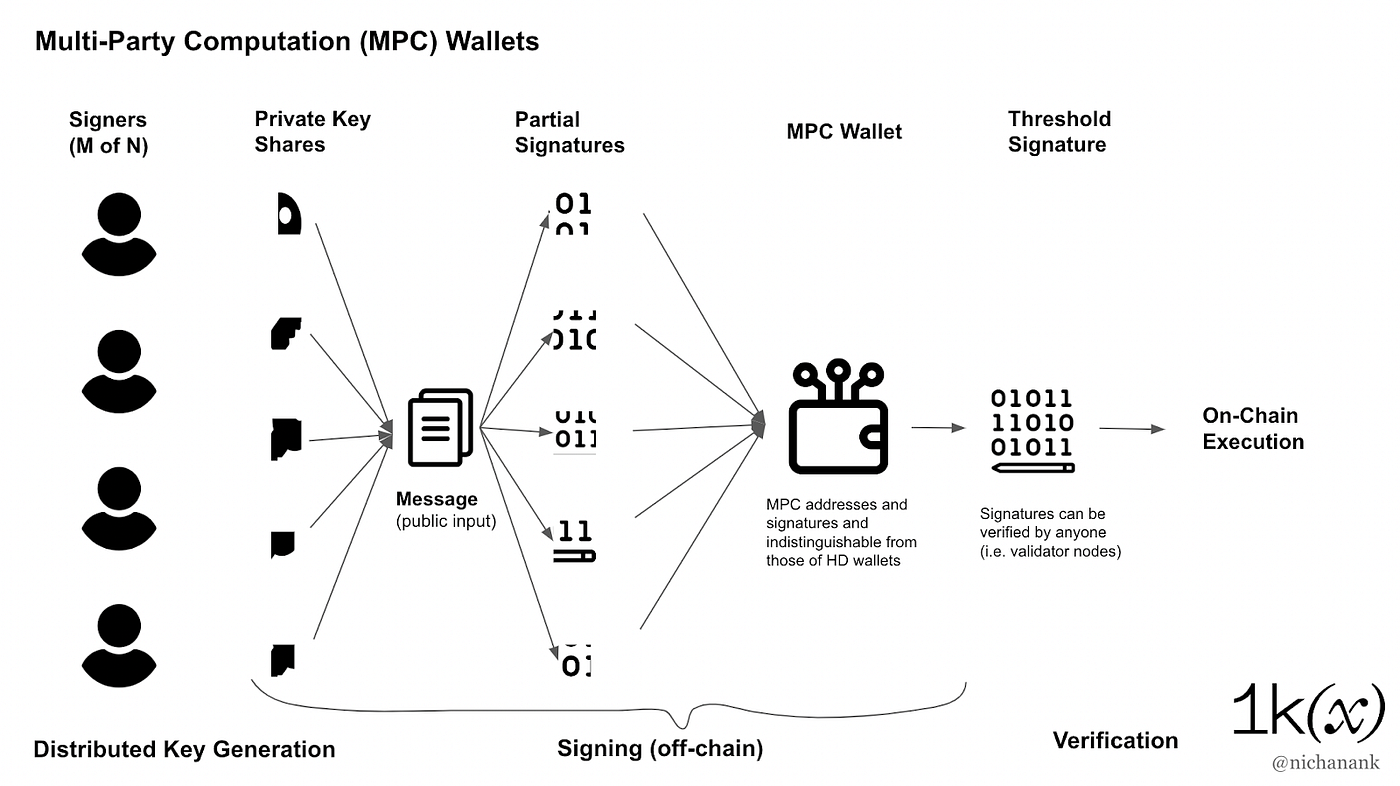
Users often assume MPC and multisig are interchangeable because both involve multiple parties. They are not. Multisig requires multiple signatures to approve a transaction, which is slow and cumbersome for daily use. MPC distributes the key generation process so that no single party ever holds the full private key, allowing for instant, single-signature-style transactions with institutional-grade security. Understanding this distinction helps you choose the right tool for your security vs. convenience needs.
Mpc aa wallet: what to check next
You have practical concerns about security and mechanics before committing to a new wallet structure. Here are the direct answers to the most common questions about MPC and Account Abstraction.
No comments yet. Be the first to share your thoughts!