The end of the seed phrase
The traditional model of self-custody relies on a single point of failure: the private key. For years, securing your crypto meant memorizing a 12 or 24-word seed phrase. If you lost it, your funds were gone forever. If someone else saw it, your assets were gone in seconds. The MPC AA wallet 2026 standard dismantles this fragile system by replacing the monolithic key with distributed, programmable security.
In this new architecture, the private key is never assembled in one place. Instead, it is split into shards and distributed across multiple parties or devices using Multi-Party Computation (MPC). To sign a transaction, these shards must collaborate without ever revealing the full key. This eliminates the need for a recoverable seed phrase, shifting the burden from perfect human memory to cryptographic verification.
This shift is powered by Account Abstraction (AA), which treats the wallet as a smart contract rather than a simple address. As noted in recent industry comparisons, AA wallets enable programmable approval logic, gas fee sponsorship, and social recovery mechanisms. The result is a wallet that behaves more like a bank account with smart features than a digital safe deposit box.
The transition to MPC AA wallets marks a fundamental change in how we think about digital ownership. It moves the industry away from the "not your keys, not your coins" dogma toward a model where custody is shared, recoverable, and integrated into the underlying blockchain logic. This approach significantly reduces the risk of permanent loss due to human error or device failure.
How MPC and AA work together
MPC and AA work together by splitting the wallet into two distinct layers: security and usability. The MPC layer handles the heavy lifting of cryptographic security, while the AA layer manages the user experience through smart contract logic. This separation allows an MPC AA Wallet to offer institutional-grade protection without sacrificing the convenience of modern web3 interactions.
The Security Layer: MPC
MPC (Multi-Party Computation) replaces the single seed phrase with a network of key shares. Instead of one person holding the entire private key, the signing process is distributed across multiple parties. Even if one share is compromised, the attacker cannot reconstruct the full key to steal funds. This cryptographic base eliminates vulnerabilities at the code layer, providing a robust foundation for custody.
The Experience Layer: AA
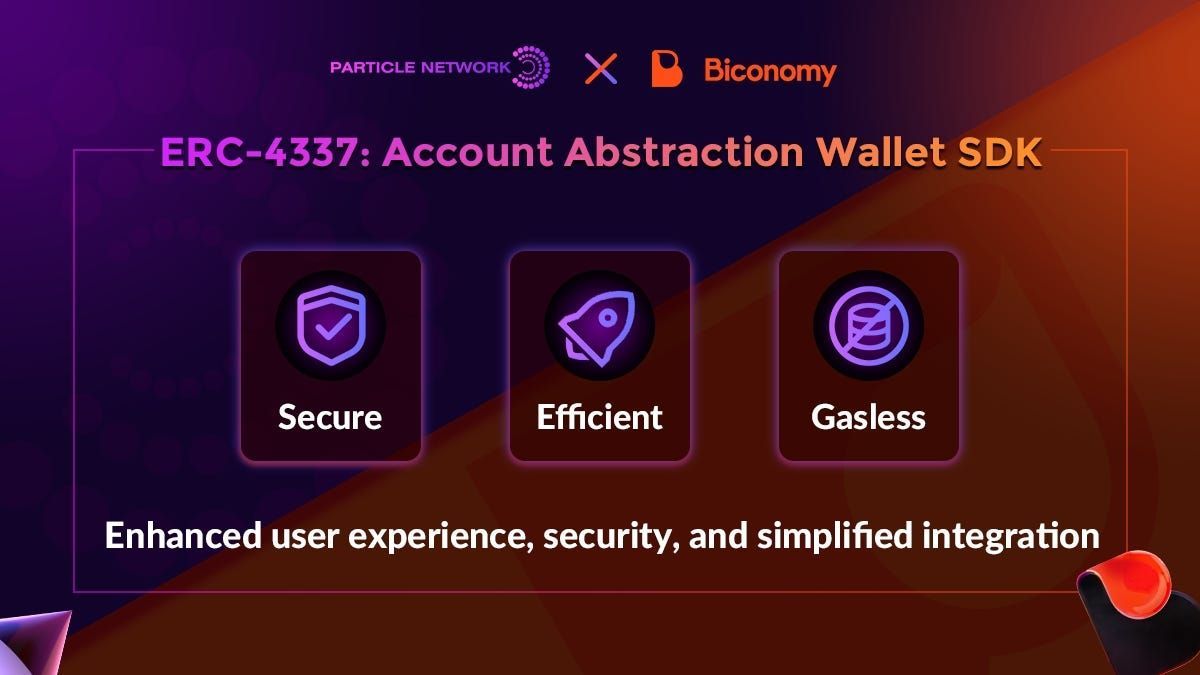
Account Abstraction (ERC-4337) moves the wallet from a simple address to a smart contract. This shift enables programmable approval logic, gas fee sponsorship, and recovery mechanisms that do not rely on seed phrases. Users can pay gas with any token, recover access via social contacts, and batch transactions for efficiency. The smart contract acts as a flexible interface that adapts to user needs without altering the underlying security model.
The Synergy
When combined, these technologies create a hybrid custody model that is greater than the sum of its parts. MPC ensures that the funds are secure against theft and loss, while AA ensures that the user can interact with the blockchain seamlessly. The result is a wallet that feels like a simple app but operates with the security of a multi-signature vault. This integration is why MPC and AA are replacing seed phrases for safer, more scalable web3 experiences.
Top MPC AA wallet providers
Choosing the right MPC AA wallet depends on whether you prioritize consumer convenience or institutional-grade compliance. The market has split into distinct camps: consumer-focused apps that abstract away complexity, and enterprise platforms built for high-volume, multi-sig workflows.
Below is a side-by-side comparison of the leading solutions in 2026. These providers use Multi-Party Computation (MPC) to split private keys into shards, eliminating the single point of failure inherent in traditional seed phrases.
| Provider | Security Model | Onboarding | Target Audience |
|---|---|---|---|
| Fireblocks | Multi-Party Computation (MPC) with HSM integration | KYC/KYB verification, API access | Enterprise, Custodians, Institutions |
| ZenGo | Threshold Signature Scheme (TSS), no key shares on device | Biometric login (FaceID/TouchID) | Retail consumers, Web3 users |
| Binance Custody | MPC with multi-party approval workflows | Institutional account setup, API keys | Exchanges, Funds, Corporates |
| Coinbase Advanced | MPC with social recovery options | Mobile app, email verification | High-net-worth individuals, DAOs |
When to choose MPC AA over multisig
MPC AA (Multi-Party Computation Account Abstraction) and multisig wallets serve different operational realities. Multisig relies on multiple private keys, requiring every signer to manually approve transactions. MPC AA splits key fragments across nodes, allowing automated, gasless, and streamlined approvals through smart contract logic.
The decision often comes down to speed, user experience, and cost. For teams executing frequent transactions, MPC AA offers a significant advantage. It reduces friction by allowing batched operations and sponsored gas fees, which multisig cannot natively support without complex workarounds.
Trade-off: MPC AA offers better UX and lower gas costs via sponsorship, while multisig offers simpler audit trails.
Multisig remains the standard for high-value, low-frequency treasury movements where simplicity and transparent audit trails are paramount. However, for operational teams requiring rapid execution, MPC AA’s ability to integrate with smart contract paymasters and streamline signature collection makes it the superior choice for daily operations.
Onboarding teams with MPC AA
Integrating MPC AA wallets into team workflows requires replacing manual key management with programmatic approval logic. Unlike traditional wallets, these accounts use smart contracts to manage permissions, allowing teams to sponsor gas fees and define custom recovery paths without relying on seed phrases. This shift reduces friction for non-technical staff while maintaining institutional-grade security.
The implementation begins with defining governance structures within the wallet contract. Teams can set up multi-signature requirements or time-locked transactions, ensuring that large transfers require consensus from designated officers. This programmable layer eliminates the need for complex offline storage procedures, streamlining the onboarding process for new employees who simply receive access credentials rather than cryptographic secrets.
Security is maintained through threshold signature schemes, where no single party holds the full private key. Instead, key shares are distributed across multiple devices or servers, and transactions are signed only when enough shares collaborate. This architecture prevents catastrophic loss, making it difficult for attackers to compromise funds even if one device is lost or stolen.
No comments yet. Be the first to share your thoughts!