
The mpc aa wallet limits to account for
An MPC AA wallet merges two distinct technologies: Multi-Party Computation and Account Abstraction. This combination aims to solve the friction between security and usability in Web3. Instead of relying on a single private key stored on a device, MPC splits that key into shards distributed across multiple parties or nodes. Account Abstraction (ERC-4337) then allows these wallets to behave like smart contracts, enabling features like social recovery, batched transactions, and gas sponsorship.
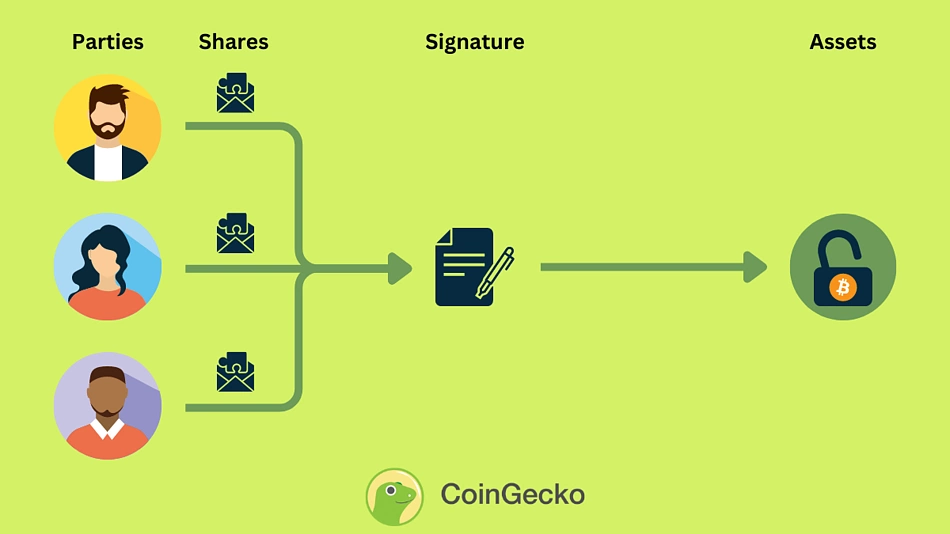
The primary constraint of this architecture is complexity. While multisig wallets require multiple distinct signers to approve a transaction, MPC generates a single signature from the collaboration of key shards without ever reconstructing the full private key. This distinction matters for security models. Multisig exposes the public key and transaction logic on-chain, making it a target for phishing or contract exploits. MPC keeps the key material hidden, but the reliance on a key generation ceremony and the coordination of shard holders introduces operational overhead.
For users, the tradeoff is between control and convenience. A standard MPC AA wallet might allow you to recover access via email or biometrics, removing the need to memorize seed phrases. However, this convenience relies on the trustworthiness of the MPC operator or the threshold scheme used. If the protocol is flawed or the operator is compromised, the distributed nature of the key does not guarantee safety. Understanding this balance is essential before committing significant assets to an MPC-based solution.
Mpc aa wallet choices that change the plan
Combining Multi-Party Computation (MPC) and Account Abstraction (AA) creates a powerful but complex security layer. You gain programmable features and distributed key security, but you also introduce new operational dependencies. Before committing to an MPC AA wallet, evaluate how these technologies interact with your specific workflow.
The primary tradeoff lies in complexity versus control. Traditional multisig wallets require all signers to actively approve transactions, which is secure but slow. MPC splits the key, allowing for smoother signing processes, while AA enables smart contract logic like paymasters and session keys. This combination offers the best of both worlds: enhanced security without sacrificing user experience.
However, this architecture relies on the integrity of the key generation and signing infrastructure. If the MPC node operators or the AA smart contract logic contains a vulnerability, the entire wallet is at risk. Unlike a simple private key stored on a device, you are trusting a distributed network and complex code. You must verify the audit history of the underlying protocol and the reputation of the node operators.
To help you compare the concrete features of leading MPC AA solutions, we have broken down the key differentiators below. This comparison focuses on security models, user experience, and integration capabilities.
| Feature | MPC + AA | Traditional Multisig | Sovereign Key |
|---|---|---|---|
| Key Storage | Distributed shards across nodes | Full keys held by signers | Single private key |
| Signing Process | Collaborative, no single point of failure | Manual approval by all signers | Instant, single signature |
| Recovery Options | Social recovery via AA logic | Requires all signers or backup | Seed phrase only |
| Smart Contract Features | Paymasters, session keys, batching | Limited by Gnosis Safe logic | Depends on wallet implementation |
| Trust Model | Trust in node operators and code | Trust in signers | Trust in yourself |
Choose the next step
MPC AA Wallet Review works best as a clear sequence: define the constraint, compare the realistic options, test the tradeoff, and choose the path with the fewest hidden costs. That order keeps the advice usable instead of decorative. After each step, pause long enough to check whether the recommendation still fits the reader's actual situation. If it depends on perfect timing, unusual access, or a best-case budget, include a simpler fallback.
Common Mistakes in MPC Wallet Selection
Many users assume that "multi-party computation" guarantees absolute security, but the implementation details matter more than the marketing label. The biggest mistake is choosing a solution that relies on a single trusted server to manage the key shards. If that server is compromised, the security model collapses. Look for protocols that distribute trust across independent nodes or use hardware security modules (HSMs) for shard storage.
Another critical error is ignoring the role of Account Abstraction (AA) in the user experience. A technically robust MPC wallet is useless if the recovery process is confusing. Ensure the wallet supports smart contract accounts that allow social recovery or session keys. Without AA, you are just moving the burden of seed phrase management to a more complex, less intuitive interface.
Finally, avoid wallets that do not clearly explain their threshold signature scheme. A 2-of-3 setup is not inherently safer than a 1-of-2 if the third party is a centralized entity you don't control. Verify that the protocol allows you to verify the integrity of the computation or at least provides transparent audit logs. The goal is to reduce single points of failure, not just add more of them.
MPC and AA wallet FAQs
Multi-party computation and account abstraction are reshaping how digital assets are stored and managed. Before choosing a wallet, it helps to understand the technical distinctions that affect security and usability.
Helpful gear
Use these product recommendations as a starting point, then choose the size, material, and price point that fit how you actually use the gear.


As an Amazon Associate, we may earn from qualifying purchases.
No comments yet. Be the first to share your thoughts!