MPC AA Wallet Defined
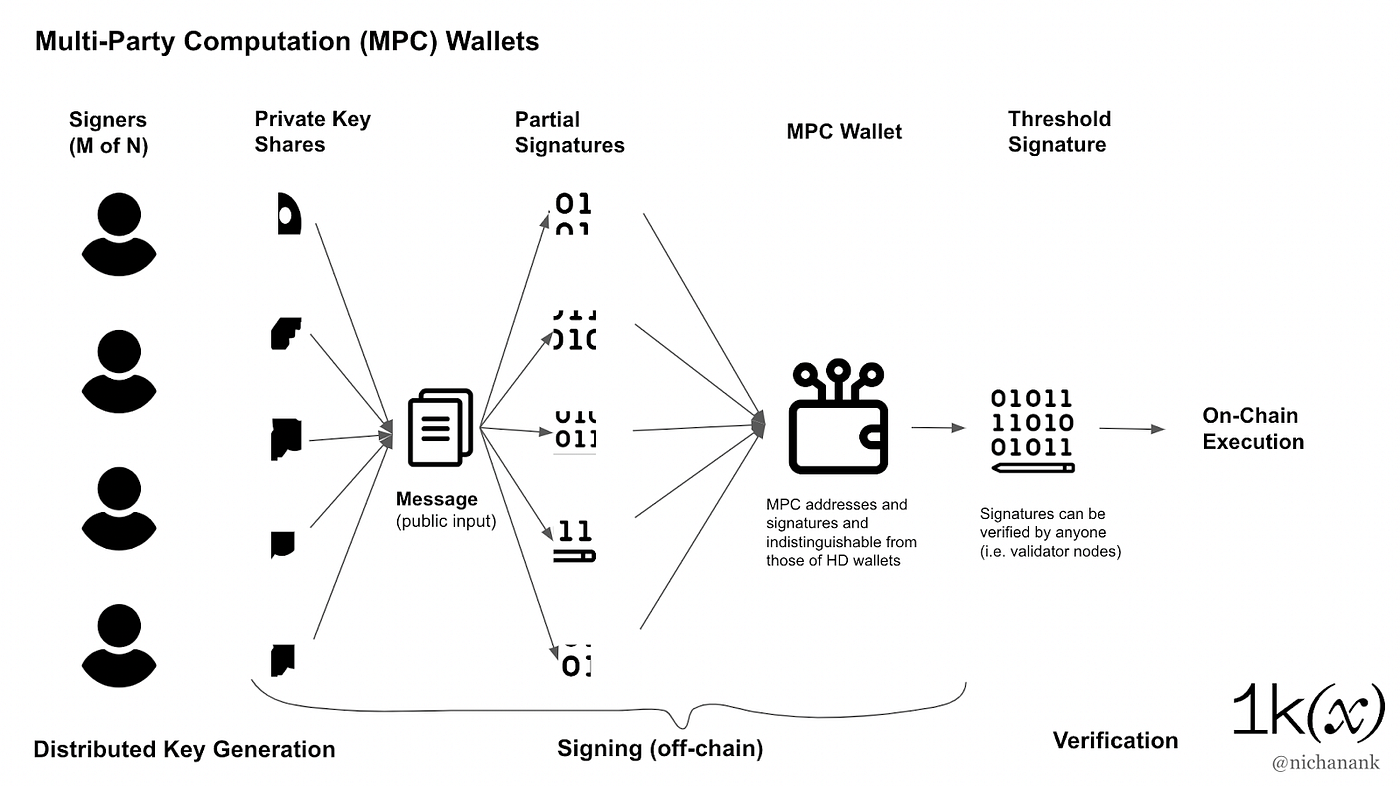
An MPC AA wallet combines Multi-Party Computation with Account Abstraction to create a secure, user-friendly crypto storage solution. It splits private key shares across multiple devices or parties, ensuring no single point of failure, while Account Abstraction allows for smart contract-based features like social recovery and gas sponsorship. This hybrid approach addresses the biggest pain points in Web3: security risks from lost keys and the complexity of traditional wallet interactions.
How MPC and AA Work Together
In a standard MPC wallet, transaction signing requires collaboration between multiple parties, each holding a fragment of the private key. Account Abstraction (ERC-4337) replaces the traditional Externally Owned Account (EOA) with a smart contract wallet, enabling programmable logic. When combined, the MPC engine signs transactions on behalf of the smart contract, allowing users to recover accounts via social contacts or batch transactions without holding a single private key.
Key differences and choices that change the plan
| Feature | Traditional MPC Wallet | MPC AA Wallet |
|---|---|---|
| Key Management | Distributed key shares | Distributed key shares + Smart Contract Logic |
| Recovery | Multi-sig or seed phrase | Social recovery, guardian networks |
| User Experience | Requires signing apps | Gasless transactions, session keys |
| Security Model | Threshold signatures | Threshold signatures + Account abstraction |
The primary tradeoff is complexity. While MPC AA offers superior security and recovery options, it introduces smart contract risks that traditional EOAs do not have. Users must trust the underlying smart contract implementation, adding a layer of code audit dependency not present in simple key management systems.
Choosing the Right Wallet
For institutional custodians or high-net-worth individuals, the enhanced security of MPC AA is worth the complexity. For casual users seeking a seamless onboarding experience, the social recovery and gasless features of MPC AA provide a significant advantage over traditional wallets. However, those prioritizing maximum simplicity and minimal attack surface might prefer a standard multi-sig setup without the added smart contract layer.
Mpc aa wallet choices that change the plan
MPC AA wallets combine Multi-Party Computation with Account Abstraction to split key management and smart contract flexibility. This architecture removes single points of failure but introduces architectural complexity. You are trading operational simplicity for enhanced security and user experience features.
The core tradeoff lies in latency versus security. Because transaction signing requires collaboration between multiple nodes or shards, MPC AA wallets typically experience slightly higher latency than traditional single-signature wallets. However, this delay is often imperceptible to the end user due to background processing and session management built into Account Abstraction.
Security vs. Complexity
The primary advantage is that no single party holds the complete private key. If one shard is compromised, the attacker cannot sign transactions. This reduces the risk of total fund loss from device theft or server breaches. However, managing multiple shards requires robust infrastructure. You must ensure your wallet provider has redundant, secure shard storage. If the provider loses shards or goes offline, recovery can be difficult without a pre-configured backup strategy.
User Experience and Gas Management
Account Abstraction allows for sponsored transactions, meaning users can pay gas fees in stablecoins or have the wallet provider cover them. This removes the friction of holding native tokens for gas. Combined with MPC, this creates a smoother onboarding experience. Users do not need to memorize seed phrases. Instead, they use social logins or biometric data to access their wallet. The tradeoff is dependency on the wallet provider’s infrastructure. If the provider changes their API or shuts down, you must ensure you can export your keys or migrate your assets easily.
Cost and Performance
MPC AA wallets often involve higher operational costs for providers due to the computational overhead of secure multi-party computation. These costs are sometimes passed to users through higher transaction fees or subscription models. Additionally, the smart contract logic required for AA can introduce new attack surfaces if not audited thoroughly. Always verify the audit status of the smart contracts powering your wallet.
| Feature | MPC AA Wallet | Traditional AA Wallet | Standard MPC Wallet |
|---|---|---|---|
| Key Management | Distributed shards (high security) | Single private key (simpler) | Distributed shards (high security) |
| Gas Sponsorship | Supported via smart contract | Supported via smart contract | Not supported |
| Recovery | Social login or biometric | Seed phrase or social recovery | Multi-signature or backup shards |
| Latency | Slightly higher due to computation | Low | Moderate |
| Complexity | High infrastructure requirement | Low | Moderate |
How to choose the right MPC AA wallet
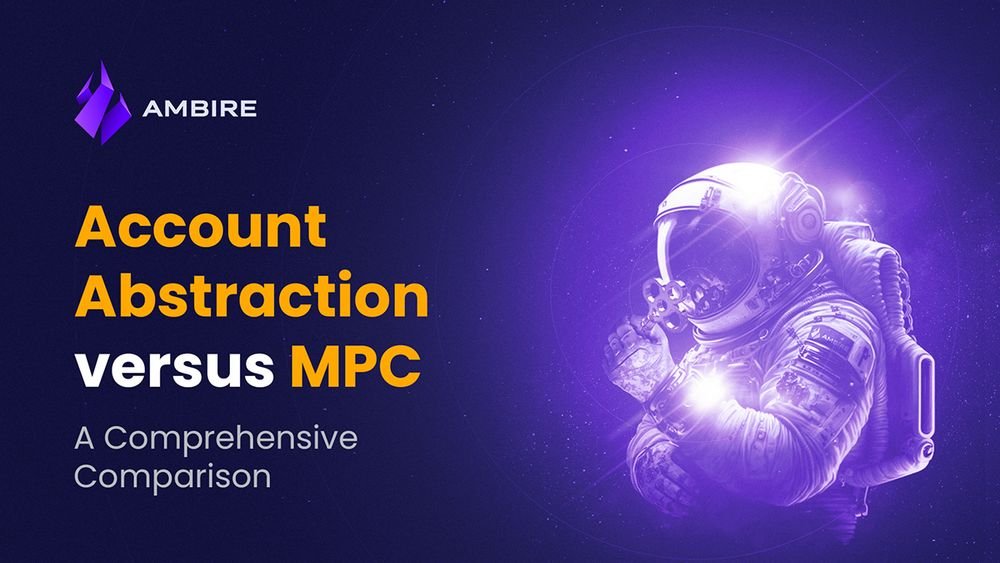
Account abstraction (AA) and Multi-Party Computation (MPC) solve different problems. AA replaces the single private key with smart contract logic, enabling social recovery and gas sponsorship. MPC splits the signing key into shards distributed across multiple nodes or devices. When combined, an MPC AA wallet offers the security of distributed key generation with the user experience of smart contracts.
To select the right solution, evaluate these four factors:
If you hold significant assets, MPC is essential. Standard AA wallets still rely on a single private key stored on your device. If that device is compromised, your funds are at risk. MPC distributes the key, meaning an attacker would need to compromise multiple shards or nodes to steal your assets. For high-stakes storage, the distributed nature of MPC provides a necessary layer of defense that standard AA cannot match.
AA wallets shine in usability. They allow you to designate trusted contacts or hardware devices as guardians. If you lose your phone or seed phrase, these guardians can help you recover access without a central authority. When choosing an MPC AA wallet, ensure it supports this feature natively. This transforms wallet recovery from a technical hurdle into a simple, human-centric process.
Not all MPC implementations are equal. Some require all shards to be online simultaneously, creating a bottleneck. Others use threshold signatures, allowing any subset of shards to sign. Look for wallets that minimize latency. A good MPC AA wallet should feel as fast as a standard wallet, even though it is performing complex cryptographic operations in the background.
AA wallets can sponsor gas fees or allow you to pay in stablecoins. This removes the friction of needing ETH or SOL for transactions. However, some MPC providers charge higher fees for the computational overhead of multi-party signing. Compare the total cost of ownership, including any subscription fees or per-transaction costs, to ensure it fits your budget.
| Feature | Standard AA | MPC AA |
|---|---|---|
| Key Storage | Single device | Distributed shards |
| Recovery | Guardians/Contacts | Guardians/Contacts |
| Security | Device dependent | Multi-party threshold |
| Gas | Sponsored | Sponsored |
The best choice depends on your risk tolerance and technical comfort. If you are a casual user who wants to try Web3 with minimal friction, a standard AA wallet with social recovery is sufficient. If you are a high-net-worth individual or a business, the distributed security of MPC AA is worth the slightly higher complexity.
Watch out for weak options
Not every "secure" wallet is worth your time. The market is flooded with hybrid products that bundle Account Abstraction and MPC without delivering real security or usability. You need to distinguish between marketing fluff and actual cryptographic guarantees.
The "Single Key" Trap
Some providers claim to offer MPC security while relying on a single private key for access. This is a contradiction. True MPC splits the key into shards distributed across multiple parties. If a service stores the full key or a single seed phrase, it is not MPC. It is just a standard wallet with a fancy name. Always verify the key generation process.
Bait-and-Switch UX
Another common mistake is promising seamless UX while forcing users to manage multiple complex keys. Account Abstraction should simplify interactions, not complicate them. If you have to manually coordinate signatures across different devices for every transaction, the abstraction has failed. Look for solutions that handle gas sponsorship and session keys without exposing the underlying complexity.
Vendor Lock-in
Be wary of wallets that tie your keys to a specific proprietary backend. If your funds are locked into a specific vendor's infrastructure, you lose self-custody. Ensure the protocol allows for key recovery or migration without relying on a single company's continued operation. Decentralization is not just about the chain; it is about the wallet provider too.
Mpc aa wallet: what to check next
Before committing to an MPC AA wallet, it helps to separate the underlying cryptography from the user experience layer. These technologies address different parts of the security puzzle, and understanding their intersection clarifies why they are becoming the industry standard for 2026.
The combination of MPC and Account Abstraction (AA) creates a wallet that is both more secure and more user-friendly than traditional options. MPC handles the cryptographic security, while AA manages the user experience, allowing for features like social recovery and sponsor transactions. This synergy addresses the two biggest hurdles in crypto adoption: security and complexity.
No comments yet. Be the first to share your thoughts!