What is an MPC AA wallet?
An MPC AA wallet merges two distinct architectures into a single hybrid system. It combines Multi-Party Computation (MPC) for cryptographic security with Account Abstraction (ERC-4337) for programmable user experience. This architecture addresses the historical trade-off between custodial safety and on-chain functionality.
MPC technology splits a private key into multiple shares distributed across independent devices or servers. No single entity holds the full key, eliminating the risk of a single point of failure. Account Abstraction, built on ERC-4337, replaces the traditional externally owned account (EOA) with a smart contract. This allows for features like social recovery, batched transactions, and session keys.
The combination creates a wallet that is both secure and programmable. Users benefit from enterprise-grade key management without sacrificing the flexibility required for complex DeFi interactions. The smart contract layer handles transaction validation, while the MPC protocol ensures that signing remains distributed and tamper-resistant.
This approach is particularly relevant for high-stakes environments where security cannot be compromised. It allows institutions and sophisticated users to interact with the blockchain using familiar, efficient workflows. The result is a wallet that adapts to the user rather than forcing the user to adapt to the wallet.
How MPC and AA work together
Multi-Party Computation (MPC) and Account Abstraction (AA) are often framed as competing solutions for digital asset security and user experience. This comparison overlooks their architectural synergy. MPC handles the cryptographic heavy lifting of key generation and signing, while AA manages the transaction logic and user interface. Together, they form a dual-layer system where security and programmability operate in parallel rather than opposition.
MPC functions as the security layer. It utilizes secret sharing schemes, such as Shamir's Secret Sharing, to divide a private key into multiple "shares." These shares are distributed across independent devices or servers. No single party holds the complete key. When a transaction requires approval, these partial signatures are computed and combined to authorize the move. This process ensures that the private key never exists in a single, vulnerable location, effectively neutralizing the risk of key theft or single-point failure.
Account Abstraction operates as the application layer. Standard wallets rely on Externally Owned Accounts (EOAs) that enforce rigid, single-step transaction rules. AA replaces this with smart contract accounts that support flexible logic. This layer enables features like social recovery, session keys, and batched transactions. It allows the wallet to handle complex user interactions—such as gas sponsorship or multi-step approvals—without requiring the user to manage low-level cryptographic details or hold native tokens for gas fees.
The integration of these technologies resolves the limitations inherent in using either in isolation. MPC-only solutions typically remain bound to EOA structures, which cannot natively support AA features like transaction bundling. Conversely, AA wallets without MPC often rely on single-key custody models that are vulnerable to compromise. By combining MPC’s distributed security with AA’s programmable flexibility, developers can build wallets that are both institutionally secure and consumer-friendly. The result is a system where the cryptographic proof of ownership is distributed, while the user experience is streamlined through smart contract logic.
Key advantages for treasury teams
Treasury operations demand a balance between security controls and operational velocity. Standalone MPC wallets provide strong key security but often lack the flexibility needed for modern transaction workflows. Standalone Account Abstraction (AA) offers programmable UX but may not meet institutional security standards on its own. Combining both technologies creates a wallet structure that satisfies strict compliance requirements while maintaining developer-friendly features.
The primary advantage for treasury teams is the ability to enforce complex policy enforcement without sacrificing user experience. With an MPC AA wallet, organizations can define multi-signature rules, time-locks, and spending limits directly in the smart contract layer. This means a transaction can be automatically rejected if it violates internal policy, removing the need for manual intervention at every step. It reduces operational risk by automating compliance checks that would otherwise slow down treasury operations.
Social recovery mechanisms are another critical benefit. Traditional MPC setups often rely on centralized key servers, creating a single point of failure. MPC AA wallets can integrate social recovery modules, allowing treasury administrators to recover access through trusted peers or hardware tokens if a primary device is lost. This adds a layer of resilience that is essential for managing significant digital assets.
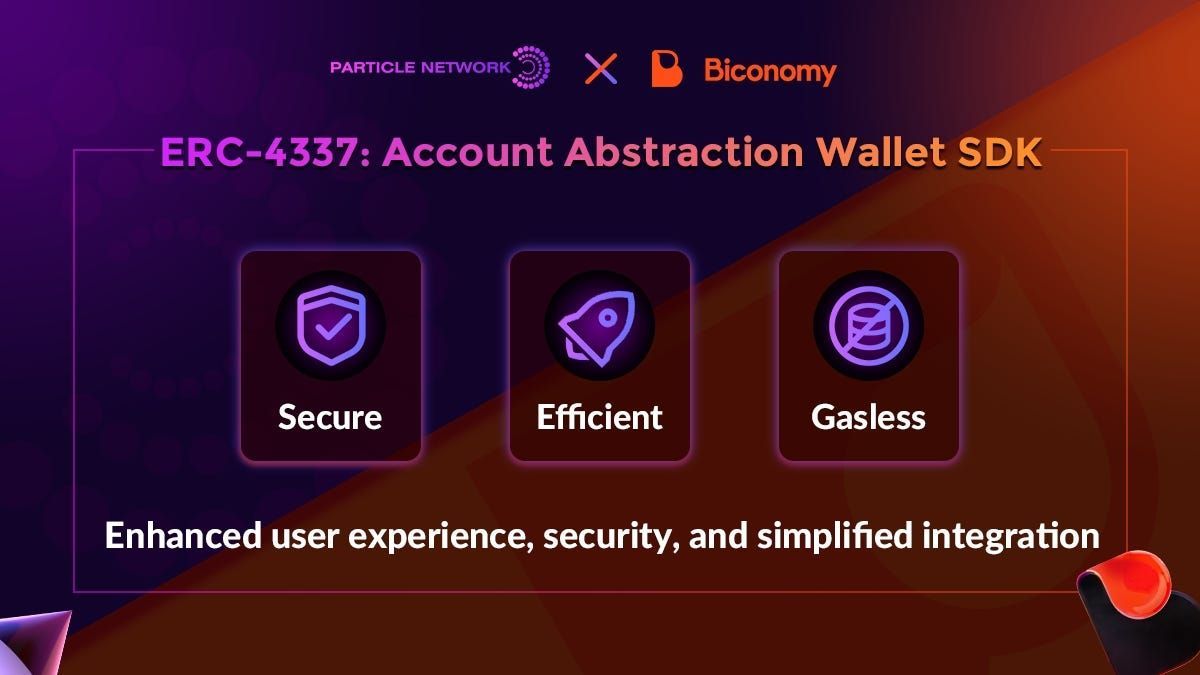
Gasless transactions further streamline treasury management. By sponsoring gas fees through meta-transactions, the wallet interface can abstract away the complexity of holding native tokens for gas. This simplifies the user experience for non-technical treasury staff and reduces the operational overhead of managing multiple asset types for transaction fees.
To understand the trade-offs, it helps to compare the three main approaches:
| Feature | Standalone MPC | Standalone AA | MPC AA |
|---|---|---|---|
| Security | High (Distributed Keys) | Variable (Smart Contract Dependent) | High (Distributed Keys + Smart Contract) |
| Programmability | Low | High | High |
| Policy Enforcement | Medium (Off-chain) | High (On-chain) | High (On-chain + Off-chain) |
| Social Recovery | Limited | High | High |
| Gasless Transactions | No | Yes | Yes |
The integration of MPC and AA addresses the core friction points in treasury management. It provides the cryptographic security that institutions require while leveraging the programmability that modern applications demand. This combination reduces the operational burden on treasury staff, allowing them to focus on strategic asset allocation rather than managing complex key infrastructure.
Market trends and adoption signals
The custody landscape is shifting away from static cold storage toward programmable, secure solutions. In 2026, the distinction between Multi-Party Computation (MPC) and Account Abstraction (AA) is blurring as developers recognize that these technologies are complementary rather than mutually exclusive. Early adopters are moving past the "either/or" debate, integrating MPC for key security and AA for user experience enhancements to create wallets that are both robust and flexible.
This convergence addresses the core friction in Web3: balancing institutional-grade security with consumer-grade usability. Traditional MPC wallets offered superior security through distributed key management but often suffered from complex user flows. Account Abstraction solved the usability issues with smart contract features like session keys and paymasters but lacked the inherent distributed security of MPC. The emerging MPC AA wallet combines the best of both, offering a programmable interface backed by cryptographic threshold signatures.
Market signals indicate that institutional and retail users alike are prioritizing this hybrid approach. The demand for wallets that support complex transaction bundling, social recovery, and gas sponsorship without compromising on key security is driving this adoption. As the Ethereum network continues to evolve, the integration of MPC and AA is becoming the standard for high-stakes digital asset management, moving the industry toward a more resilient and user-friendly future.
Choosing the right MPC AA solution
Selecting an MPC Account Abstraction wallet requires balancing cryptographic security with operational flexibility. The decision hinges on three factors: regulatory compliance, integration complexity, and the underlying key management architecture.
Compliance and Audit Readiness High-stakes financial applications demand providers with transparent audit trails and clear liability frameworks. Look for solutions that offer institutional-grade compliance features, such as granular permissioning and real-time transaction monitoring. Providers like Fireblocks emphasize that MPC-CMP (Multi-Party Computation with Consensus) reduces reliance on physical proximity, enabling automated, secure signing without manual intervention for every transaction [src-serp-7].
Architecture: TEEs vs. Pure MPC Some solutions utilize Trusted Execution Environments (TEEs) alongside MPC, while others rely on pure cryptographic threshold schemes. TEEs introduce hardware dependencies that may complicate audits, whereas pure MPC offers greater transparency but potentially higher latency. Evaluate which model aligns with your security posture and technical stack.
Integration Ease Account Abstraction adds significant complexity to wallet infrastructure. Choose a provider with robust SDKs and clear documentation for ERC-4337 integration. A streamlined integration process reduces time-to-market and minimizes the risk of implementation errors that could compromise user funds.
Evaluation Checklist Before committing to a provider, verify the following:
- Security Audit: Has the core MPC protocol been audited by a reputable firm?
- Key Recovery: Is there a clear, user-friendly key recovery mechanism?
- Scalability: Can the solution handle high-frequency transaction volumes?
- Support: Does the provider offer dedicated technical support for integration issues?
No comments yet. Be the first to share your thoughts!