
What an MPC AA wallet actually does
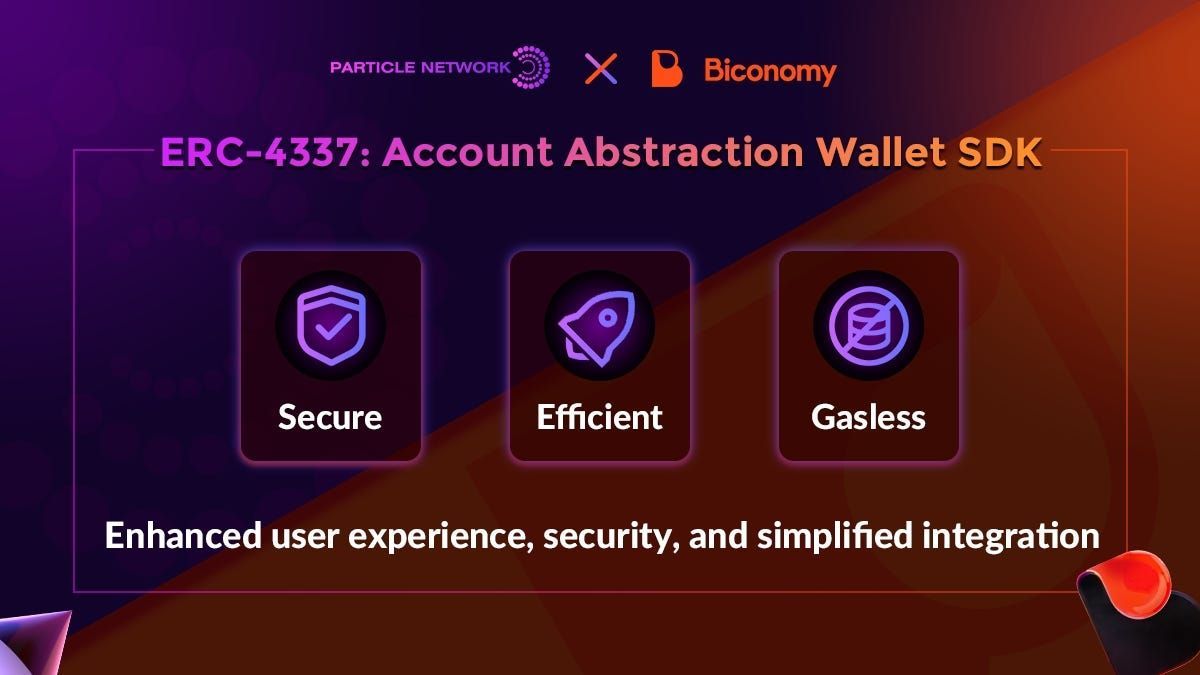
An MPC AA wallet merges two distinct technologies to solve the trade-off between security and usability. Multi-Party Computation (MPC) handles the cryptographic heavy lifting, ensuring no single party ever holds a complete private key. Account Abstraction (AA) wraps this security in smart contract logic, allowing the wallet to behave like a programmable application rather than a static key pair. Together, they create a hybrid custody model that removes the burden of key management from users while maintaining institutional-grade security.
How MPC secures the keys
In traditional self-custody, a private key is a single point of failure. If that key is lost, stolen, or exposed, the funds are gone. MPC changes this by splitting the key into multiple "shares" distributed among different parties or devices. To authorize a transaction, these shares must be recombined cryptographically without ever being exposed in full. This means that even if one share is compromised, the attacker cannot access the assets. As noted by Portal HQ, this architecture is foundational for wallet-as-a-service offerings that require high security without handing full control to a single entity.
How AA improves the experience
While MPC handles the backend security, Account Abstraction (ERC-4337) transforms the user interface. Standard wallets require users to manage gas fees in native tokens (like ETH) and sign every transaction with a complex private key. AA allows the wallet to be a smart contract on the blockchain. This enables features like gas sponsorship (where a relay pays the fee), social recovery, and batched transactions. Openfort describes this as a practical approach to security, where the wallet's logic is defined by code rather than rigid protocol rules, making the experience smoother for everyday users.
The hybrid advantage
The combination of MPC and AA creates a synergistic effect. MPC ensures that the keys are never exposed, addressing the security fears of institutional and high-net-worth users. AA ensures that the wallet is easy to use, addressing the friction that keeps mainstream users away from Web3. This hybrid model effectively decouples security from complexity. Users get the safety of distributed key management with the convenience of a modern app experience.
How MPC and AA work together
Account Abstraction (AA) and Multi-Party Computation (MPC) solve different halves of the same problem. AA moves the wallet logic from the user to the smart contract, while MPC moves the private key from a single device to a distributed network. When combined, they create a hybrid custody model where security and usability reinforce each other rather than competing.
MPC ensures that no single party ever holds the full private key. Instead, the key is split into shards distributed across multiple servers or devices. To sign a transaction, these shards must collaborate mathematically to produce a valid signature without ever reconstructing the original key. This eliminates the single point of failure inherent in traditional key management, making it significantly harder for attackers to steal funds through phishing or device theft.
AA complements this by allowing the wallet to act as a smart contract. This means the wallet can enforce complex policies, batch multiple transactions into one, and pay gas fees in any token. For team security, this is transformative. A company can set up a wallet that requires two-thirds of the treasury team to approve a transaction, while simultaneously allowing the contract to automatically reject any transaction that violates predefined rules, such as sending funds to a known malicious address.
The synergy lies in the automation of security. MPC handles the cryptographic heavy lifting of key protection, while AA handles the operational logic of how those keys are used. This combination allows organizations to maintain strict control over their assets without burdening users with complex manual signing procedures or exposing them to the risks of storing keys on a single device.
MPC AA vs traditional multisig
Use this section to make the MPC AA Wallet decision easier to compare in real life, not just on paper. Start with the reader's actual constraint, then separate must-have requirements from details that are merely nice to have. A practical choice should survive normal use, maintenance, timing, and budget. If a recommendation only works in an ideal situation, call that out plainly and give the reader a fallback path.
| Factor | What to check | Why it matters |
|---|---|---|
| Fit | Match the option to the primary use case. | A good deal still fails if it does not fit the job. |
| Condition | Verify age, wear, and service history. | Hidden condition issues erase upfront savings. |
| Cost | Compare purchase price with likely upkeep. | The cheapest option is not always the lowest-cost option. |
When to use an MPC AA wallet
Use this section to make the MPC AA Wallet decision easier to compare in real life, not just on paper. Start with the reader's actual constraint, then separate must-have requirements from details that are merely nice to have. A practical choice should survive normal use, maintenance, timing, and budget. If a recommendation only works in an ideal situation, call that out plainly and give the reader a fallback path.
The simplest way to use this section is to write down the must-have criteria first, then compare each option against those criteria before weighing nice-to-have features.
No comments yet. Be the first to share your thoughts!