What is an MPC AA wallet?
An MPC AA wallet combines two distinct technologies to solve the tradeoff between security and usability. Multi-Party Computation (MPC) handles the cryptographic security, while Account Abstraction (AA) handles the user experience and programmability. This hybrid architecture shifts the burden of security away from the user and into a distributed network.
How MPC Secures the Keys
In a traditional wallet, a single private key controls your assets. If that key is lost or stolen, the funds are gone. MPC splits this private key into multiple "shares" distributed across different devices or servers. No single party ever holds the complete key. Instead, these parties collaborate to generate signatures without ever reconstructing the original secret. This means a hacker cannot steal your funds by compromising just one device or server.
How AA Improves the Experience
Account Abstraction treats the wallet as a smart contract rather than a simple external account. This allows developers to build features that make crypto feel like modern web2 apps. You can use social login, recover accounts via email, or batch multiple transactions into one. The wallet can also pay gas fees in stablecoins instead of the native token, removing a major friction point for new users.
When combined, these technologies create a wallet that is both unbreakable and easy to use. The user never sees a seed phrase, and the system ensures that no single point of failure exists. This is why MPC AA wallets are becoming the standard for secure crypto custody in 2026.
Standalone MPC vs. Standalone AA vs. Hybrid
Multi-party computation (MPC) and Account Abstraction (AA) have traditionally been presented as competing security layers. In reality, they address different parts of the custody puzzle. MPC secures the key itself, while AA secures the user experience and smart contract logic. Combining them creates a hybrid architecture that solves the critical weaknesses of both standalone models.
Standalone MPC: Key Security
MPC wallets distribute secret key shares across multiple devices or servers. No single entity ever holds the full private key. This eliminates single points of failure and prevents hackers from stealing keys via phishing or server breaches. However, standalone MPC wallets often feel like traditional hardware wallets: rigid, expensive, and lacking the flexibility of smart contracts. Users still rely on complex seed phrases or strict multi-signature protocols for recovery.
Standalone AA: User Experience
Account Abstraction upgrades the wallet from a simple key holder to a smart contract. This enables social recovery, sponsored transactions, and batched operations. Users can recover accounts via email or trusted contacts rather than memorizing seed phrases. The downside is that AA alone does not inherently solve key compromise. If the underlying key is stolen, the smart contract logic cannot stop the attacker from draining the funds.
The Hybrid MPC AA Model
The hybrid approach integrates MPC key management with AA smart contract logic. The MPC protocol handles the cryptographic signing, ensuring the key never exists in full plaintext. Simultaneously, the AA layer provides the user with familiar, recoverable, and programmable interactions. This combination delivers institutional-grade security without sacrificing consumer-friendly UX. It represents the current standard for secure crypto custody.
| Feature | Standalone MPC | Standalone AA | Hybrid MPC AA |
|---|---|---|---|
| Key Security | High (sharding) | Medium (single key) | High (sharding + smart contract) |
| User Recovery | Low (seed phrases) | High (social recovery) | High (social + MPC) |
| Transaction Flexibility | Low (basic signing) | High (batching, sponsorship) | High (programmatic + secure) |
| Attack Surface | Low (no full key) | Medium (smart contract bugs) | Lowest (mitigated logic) |
How MPC and AA eliminate single points of failure
Traditional self-custody relies on a single private key stored on one device. If that device is lost, stolen, or compromised, the funds are gone forever. Multi-Party Computation (MPC) changes this by splitting the key into multiple shards distributed across different devices or servers. No single location ever holds the complete key. This architecture removes the single point of failure inherent in standard wallets, ensuring that losing a phone or having a laptop hacked does not result in total asset loss.
Account Abstraction (AA) builds on this foundation by introducing programmability. While MPC handles the cryptographic security, AA allows the wallet to enforce logic beyond simple signatures. This combination is particularly critical for team custody. It enables policy-based spending limits, where transactions above a certain threshold require additional approvals from designated team members. It also facilitates social recovery, allowing trusted contacts to help restore access if the primary signer is unavailable.
The synergy between these technologies creates a custody environment that is both secure and flexible. MPC ensures that no single entity or device can move funds without consensus, while AA provides the operational framework for managing those funds in real-world business scenarios. This reduces the operational risk for organizations that need to manage treasury assets across multiple stakeholders.
Gasless Transactions and User Experience
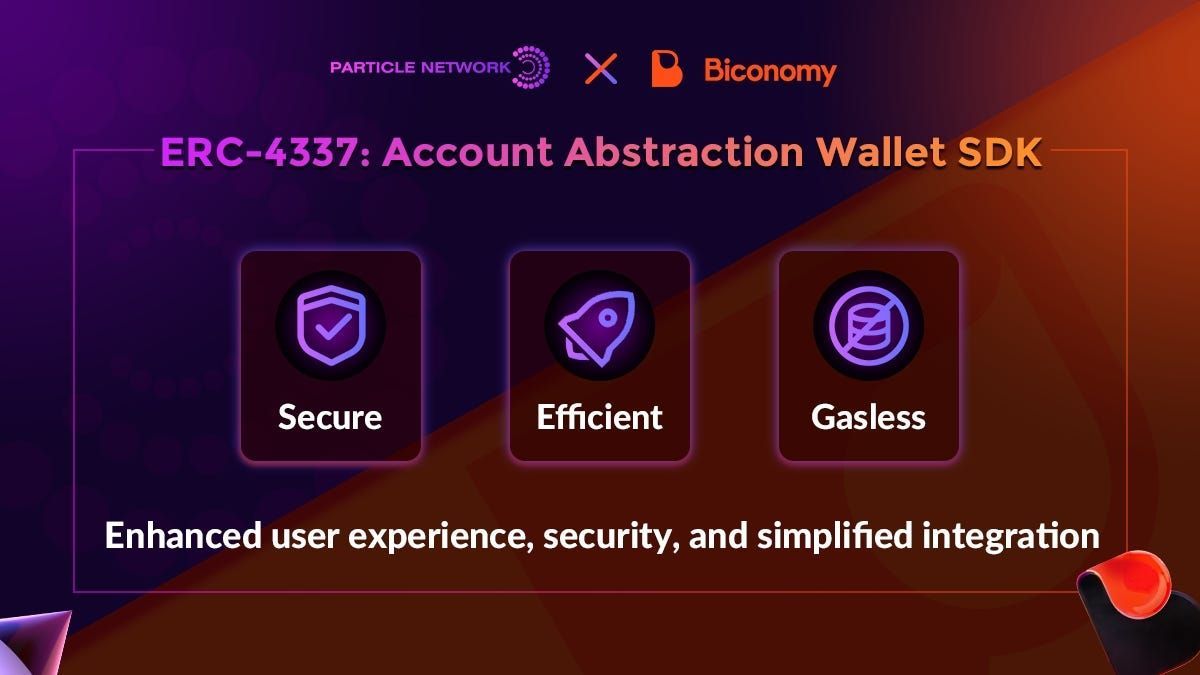
Account abstraction (AA) removes the most common friction point in Web3: gas fees. By decoupling the transaction from the native token requirement, AA allows dApps to sponsor gas costs on behalf of the user. This means a user can interact with a decentralized exchange or mint an NFT without holding ETH, SOL, or MATIC in their wallet first. The transaction is still secured by the MPC backend, but the user experience mirrors the seamless, fee-free interactions they expect from traditional fintech apps.
This capability is not just about convenience; it is a critical adoption lever. Research indicates that gasless transactions can reduce user drop-off by up to 40% during onboarding flows. When users no longer need to navigate complex exchanges or bridge tokens just to pay for a transaction, the barrier to entry drops significantly. The MPC wallet handles the complex signature aggregation and batch processing in the background, ensuring that security remains uncompromised while the front end remains simple.
Batched transactions further enhance this flow. Instead of signing multiple individual transactions for a complex DeFi operation, the AA smart contract can bundle these actions into a single atomic execution. The user sees one confirmation; the chain processes one transaction. This reduces clutter and potential errors, making the MPC AA wallet a robust tool for both casual users and power traders who value efficiency alongside security.
Choosing the Right Custody Solution
Use this section to make the MPC AA Wallets decision easier to compare in real life, not just on paper. Start with the reader's actual constraint, then separate must-have requirements from details that are merely nice to have. A practical choice should survive normal use, maintenance, timing, and budget. If a recommendation only works in an ideal situation, call that out plainly and give the reader a fallback path.
-
Verify the basicsConfirm the core specs, condition, and fit before comparing extras.
-
Price the downsideLook for the repair, maintenance, or replacement cost that would change the decision.
-
Compare alternativesCheck at least two comparable options before treating one listing as the benchmark.
No comments yet. Be the first to share your thoughts!