
MPC AA Wallet 2026 Compliance
By 2026, enterprises have standardized on Multi-Party Computation (MPC) wallets as core infrastructure, driven by the convergence of account abstraction (AA) and stricter regulatory frameworks. This shift moves digital asset custody from a technical novelty to a compliance baseline, eliminating the single point of failure inherent in traditional key storage.
The primary driver is risk mitigation. Traditional wallets store private keys as a single file or string; if compromised, assets are lost. MPC technology breaks the private key into multiple shares distributed across different devices or servers. This structure provides inherent insider threat protection, ensuring no single employee or server can independently access or steal funds. When layered with Account Abstraction, this security model enables programmable transaction validation, satisfying 2026-era compliance requirements through granular transaction policies, automated audit trails, and verifiable on-chain multi-signature workflows.
Comparison: MPC vs. Traditional Wallets
The table below highlights the structural differences that matter for compliance and risk management in 2026.
| Feature | Traditional Wallet | MPC AA Wallet |
|---|---|---|
| Key Storage | Single private key file | Distributed key shares |
| Single Point of Failure | High | None |
| Compliance Automation | Manual | Programmatic via AA |
| Insider Threat | High risk | Mitigated |
Tradeoffs by Use Case
The decision to adopt an MPC AA wallet depends on your specific operational constraints. For institutions, the higher computational overhead is justified by the auditability and security guarantees. For individual users, the complexity may outweigh the benefits unless they are managing high-value assets with strict security needs.
Mpc aa wallet 2026 choices that change the plan
Adopting an MPC AA wallet in 2026 is a structural decision impacting operational velocity and technical overhead. While Account Abstraction (AA) provides user-friendly features like sponsored gas and social recovery, Multi-Party Computation (MPC) ensures that underlying private keys never exist in a single, vulnerable location. The tradeoff lies in balancing this enhanced security against the latency and complexity introduced by multi-party signing protocols.
Enterprises standardizing on MPC AA infrastructure in 2026 must evaluate three concrete factors: latency tolerance, key management complexity, and vendor lock-in risks. Traditional non-MPC wallets rely on a single private key, creating a single point of failure. MPC splits the key into shards distributed across different devices or servers, eliminating that single point of failure. However, this requires coordinating multiple parties to sign transactions, which can introduce slight delays compared to single-key signatures.
The following comparison breaks down the primary tradeoffs between traditional single-signature wallets, standalone MPC solutions, and the emerging MPC AA hybrid models dominant in 2026.
| Feature | Traditional Single-Sig | Standalone MPC | MPC + AA Hybrid |
|---|---|---|---|
| Key Storage | Single file/string | Shards across nodes | Shards + smart contract |
| User Experience | Seed phrase recovery | Social recovery available | Email/social login, sponsored gas |
| Security Model | Single point of failure | No single point of failure | Distributed keys + smart contract logic |
| Transaction Latency | Instant | Slight delay (coordination) | Slight delay + contract execution |
| Compliance Integration | Manual KYC/AML | Built-in policy controls | Programmable compliance rules |
For high-frequency trading or low-latency applications, the coordination overhead of MPC signing can be a bottleneck. Standalone MPC solutions often require more complex key management setups, which can increase operational costs. However, the MPC AA hybrid model mitigates these issues by offloading some complexity to the smart contract layer, allowing for more flexible user experiences without sacrificing the security benefits of distributed keys. The choice ultimately depends on whether your priority is absolute security or transactional speed.
Choose the right MPC AA wallet for your use case
Selecting the right MPC AA (Multi-Party Computation Account Abstraction) wallet requires matching the security model to your specific compliance and operational needs. The landscape has shifted from experimental adoption to standard infrastructure, meaning the decision now hinges on technical fit rather than novelty. To navigate this, evaluate your requirements across four critical dimensions.
MPC wallets split private keys into multiple shares distributed across different devices or servers. This eliminates the single point of failure inherent in traditional wallets where a single compromised file can lead to total asset loss. For regulated entities, this architecture provides inherent insider threat protection, as no single employee or server can independently access funds. Determine if your team requires multi-sig approval workflows or if threshold signatures suffice for your volume.

In 2026, enterprises standardize on MPC solutions that integrate directly with existing compliance stacks. Look for wallets that support automated transaction monitoring, KYC/AML checks, and regulatory reporting hooks. The best MPC AA wallets offer programmable smart contract capabilities, allowing you to embed compliance rules directly into the wallet logic rather than relying on external post-hoc audits.
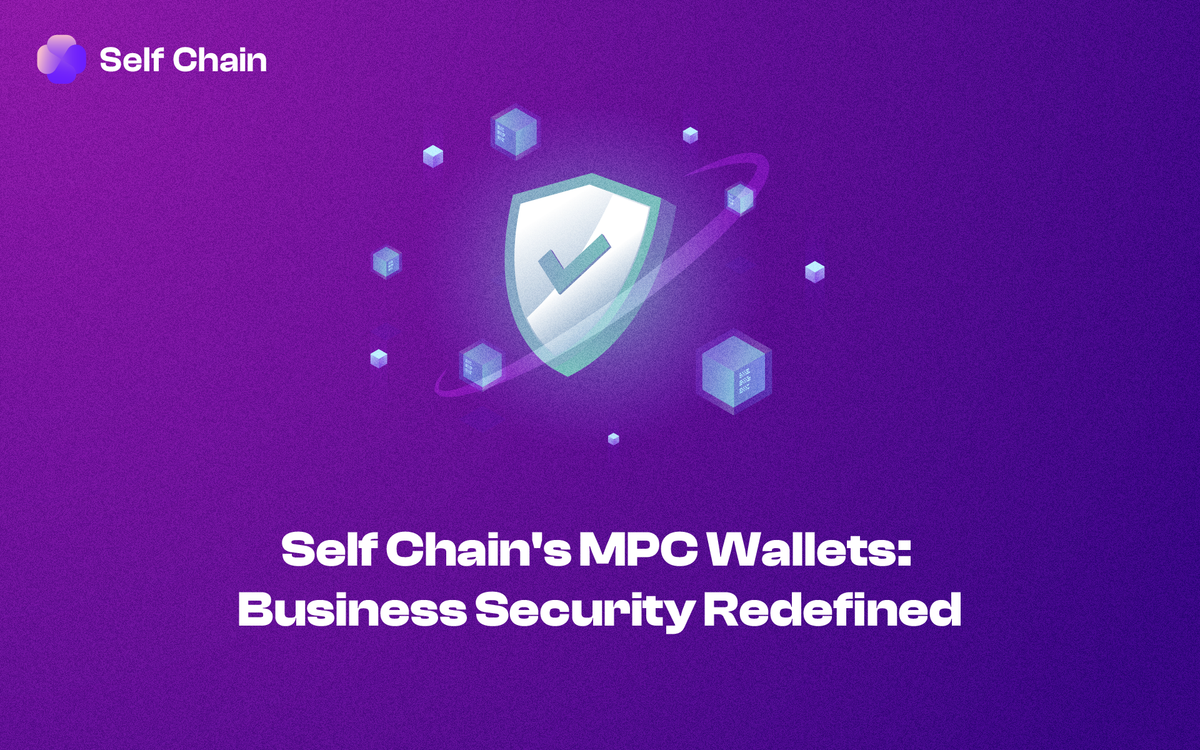
Account Abstraction (AA) enables features like social recovery, gas sponsorship, and batched transactions. However, these features require robust SDKs and clear documentation. Assess whether the wallet provider offers dedicated support for your tech stack and if their AA implementation aligns with ERC-4337 standards. A poor developer experience can negate the security benefits of MPC by introducing integration errors.
MPC infrastructure incurs costs for key generation, signing, and node maintenance. Compare pricing models based on transaction volume and user count. Some providers charge per signature, while others offer flat monthly fees for enterprise tiers. Ensure the solution scales with your expected growth without prohibitive latency or cost spikes during high-volume periods.
| Feature | Traditional Wallet | MPC AA Wallet |
|---|---|---|
| Key Storage | Single private key file | Distributed key shares |
| Recovery | Seed phrase only | Social recovery + AA |
| Compliance | Manual auditing | Embedded smart rules |
| User Experience | Complex seed management | Gasless, batched txns |
The choice ultimately depends on your risk tolerance and operational complexity. If you manage high-value assets with strict regulatory requirements, an MPC AA wallet offers the necessary security and programmability. For smaller teams with lower volume, a simpler multi-sig solution might suffice, but MPC provides the scalability needed for serious enterprise adoption.
Spotting Weak Options and Misleading Claims
Many vendors market "MPC AA" as a plug-and-play solution for 2026 compliance, but the reality is more fragmented. Account Abstraction (ERC-4337) and Multi-Party Computation (MPC) are distinct layers. Combining them introduces complexity that often outweighs the benefits for smaller entities. Before committing, verify that the provider actually supports ERC-4337 bundlers and paymasters, not just standard MPC key sharing.
Common Pitfalls to Avoid
1. The "Non-Custodial" Mirage Many platforms claim full non-custodial status while retaining administrative control over smart contract upgrades or recovery mechanisms. True MPC splits private keys, but if the provider controls the smart contract logic, you face operational risk. Check if the contract owner key is also MPC-protected or burned.
2. Ignoring Gas Fee Abstraction Costs Account Abstraction allows users to pay gas in stablecoins or have sponsors cover fees. However, this shifts the cost burden to the business. Without careful budgeting, gas sponsorship can erode margins. Ensure the wallet provider offers transparent fee structures and integration with reliable relayers.
3. Compliance Blind Spots MPC wallets simplify key management but do not automatically ensure regulatory compliance. You still need to integrate with KYC/AML providers and transaction monitoring tools. Relying solely on the wallet’s security model is insufficient for 2026’s stricter reporting requirements.
Decision Framework
| Feature | Strong Option | Weak Option |
|---|---|---|
| Key Management | Multi-party threshold with no single point of failure | Single-key or custodial hybrid |
| Smart Contract | Fully ERC-4337 compliant with upgradeable safety | Standard EOA-only wrapper |
| Compliance | Built-in KYC/AML integration and audit trails | Manual, external-only compliance |
| Gas Handling | Transparent sponsorship with predictable costs | Hidden fees or unreliable relayers |
If your use case requires high-volume transactions with strict audit trails, a robust MPC AA wallet is essential. For low-volume or experimental projects, the complexity may not justify the overhead. Always request a technical audit report from the provider before onboarding.
Mpc aa wallet 2026: what to check next
Addressing common objections helps clarify how MPC AA wallets fit into 2026 compliance frameworks. These answers target the practical distinctions between key management models and emerging AI integrations.
No comments yet. Be the first to share your thoughts!