Get Your MPC AA Wallet Right
Before you deploy a multi-party computation (MPC) wallet integrated with account abstraction, align your technical infrastructure with the specific security model. Unlike traditional wallets where a single private key lives in one place, an MPC setup splits that key into encrypted shards. This architectural shift changes how you handle identity, recovery, and signing. If you skip these prerequisites, you risk creating a system that is either insecure or functionally broken.
Confirm Your Key Share Architecture
Your first step is deciding how to distribute the key shares. In an MPC AA wallet, the user’s device typically holds one share, while a threshold of server-side shards (often two or more) hold the rest. You must verify that your chosen MPC protocol supports this split without forcing the user to upload their full secret to a central server. Check that the protocol allows for threshold signatures, meaning the user only needs to interact with a subset of shards to sign a transaction. This ensures the "no single point of failure" promise holds true.
Set Up the Account Abstraction Entry Point
Account abstraction requires a smart contract wallet (like ERC-4337) rather than an externally owned account (EOA). You need to provision a factory contract that can deploy user-specific wallet contracts. Ensure your backend can generate the account address before the user signs anything, so the MPC signing process knows exactly which contract to interact with. If your AA implementation doesn’t support paymasters or bundlers, your users will face friction when trying to sponsor gas fees, defeating the purpose of a seamless MPC experience.
Define Recovery and Session Policies
MPC wallets excel at social recovery and session management. Decide early how you will handle lost devices. Will you use a social graph of trusted contacts, or will you rely on a secure server-side shard that acts as a backup? You also need to define session policies for account abstraction. Since AA wallets can batch transactions and sponsor fees, you must set clear limits on what actions can be executed without explicit user confirmation. Misconfigured policies can lead to unauthorized batch transactions if the MPC threshold is met by compromised shards.
Verify Compliance and Data Privacy
Since MPC involves multiple parties and potentially cloud-hosted shards, you must ensure your data handling complies with relevant regulations. Verify that the key generation process is done locally on the user’s device whenever possible, so raw secret material never leaves the user’s control. If your provider uses a custodial shard, ensure that shard is encrypted and that you have a clear legal agreement on who can access it. This is especially critical if you are building for enterprise or high-net-worth users who require strict audit trails.
Checklist for Pre-Deployment
-
Key Split Verified: Confirm the protocol splits keys into at least two shards (user + server).
-
AA Factory Deployed: Ensure the ERC-4337 factory contract is live and tested on your target chain.
-
Recovery Path Defined: Choose between social recovery or server-side backup shards.
-
Session Limits Set: Configure gas sponsorship and transaction batching limits for AA features.
-
Privacy Audit: Verify that no raw private keys are stored in logs or server databases.
Common Mistakes to Avoid
Many teams fail because they treat MPC as a drop-in replacement for traditional key management without adjusting their AA logic. A common error is assuming the user’s device holds the "master" key. It doesn’t; it holds a shard. If your code expects a full signature from the device, it will fail. Another mistake is ignoring the cost of multi-party computation. MPC signing is more computationally expensive than standard ECDSA. Ensure your infrastructure can handle the latency without dropping user sessions.
Proof Checks
Before going live, run a simulation where you deliberately lose access to one shard. Verify that the remaining shards and the user’s device can still produce a valid signature. Test the AA features by attempting a batch transaction sponsored by a paymaster. If the transaction fails to bundle or the signature verification fails, your MPC and AA layers are not communicating correctly. Only proceed when you have a successful end-to-end transaction that bypasses traditional private keys.
Work through the steps
Setting up an MPC (Multi-Party Computation) Account Abstraction wallet requires configuring how key shares are distributed and how transactions are signed. Unlike traditional wallets where a single private key lives on one device, MPC splits that key into encrypted parts. These parts are held by different parties—often a user’s device, a backup server, and a recovery service. To sign a transaction, these shares combine temporarily to produce a signature, then disappear. No single entity ever holds the full key.
Follow this sequence to deploy a functional MPC AA wallet infrastructure.
Choose how many parties must participate to sign a transaction. A common setup is 2-of-3: two out of three key shards must agree to approve a transfer. This balance prevents any single server from stealing funds while ensuring users aren’t locked out if one server goes offline. Account Abstraction (ERC-4337) integrates with this by allowing smart accounts to validate these signatures programmatically, enabling features like social recovery or gas sponsorship.
Initialize the wallet by running a secure Multi-Party Computation (MPC) key generation ceremony. During this process, each participant generates a random share of the private key. These shares are never combined into a whole key. Instead, they are encrypted and distributed to their respective holders (e.g., the user’s phone, a cloud backup, and a recovery provider). This step establishes the wallet’s cryptographic foundation without exposing the master key to any single point of failure.
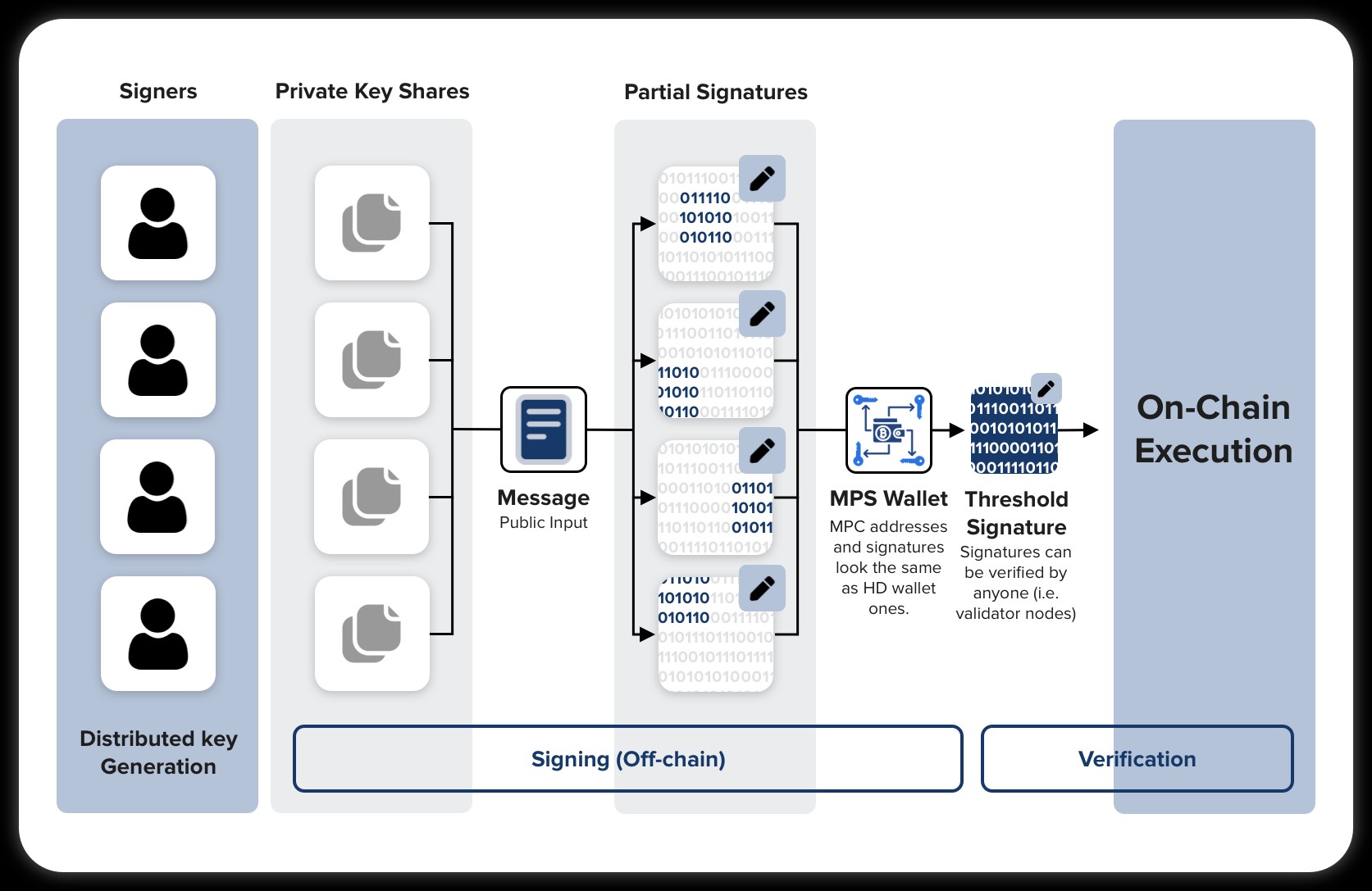
Connect your MPC infrastructure to an ERC-4337 Entry Point contract. This smart contract acts as the gatekeeper for all user operations. When a user initiates a transaction, their MPC shares sign the operation payload. The Entry Point verifies the signature against the user’s smart account contract. This separation allows you to implement advanced features like batched transactions, paymaster gas sponsorship, and session keys without changing the underlying MPC key management.
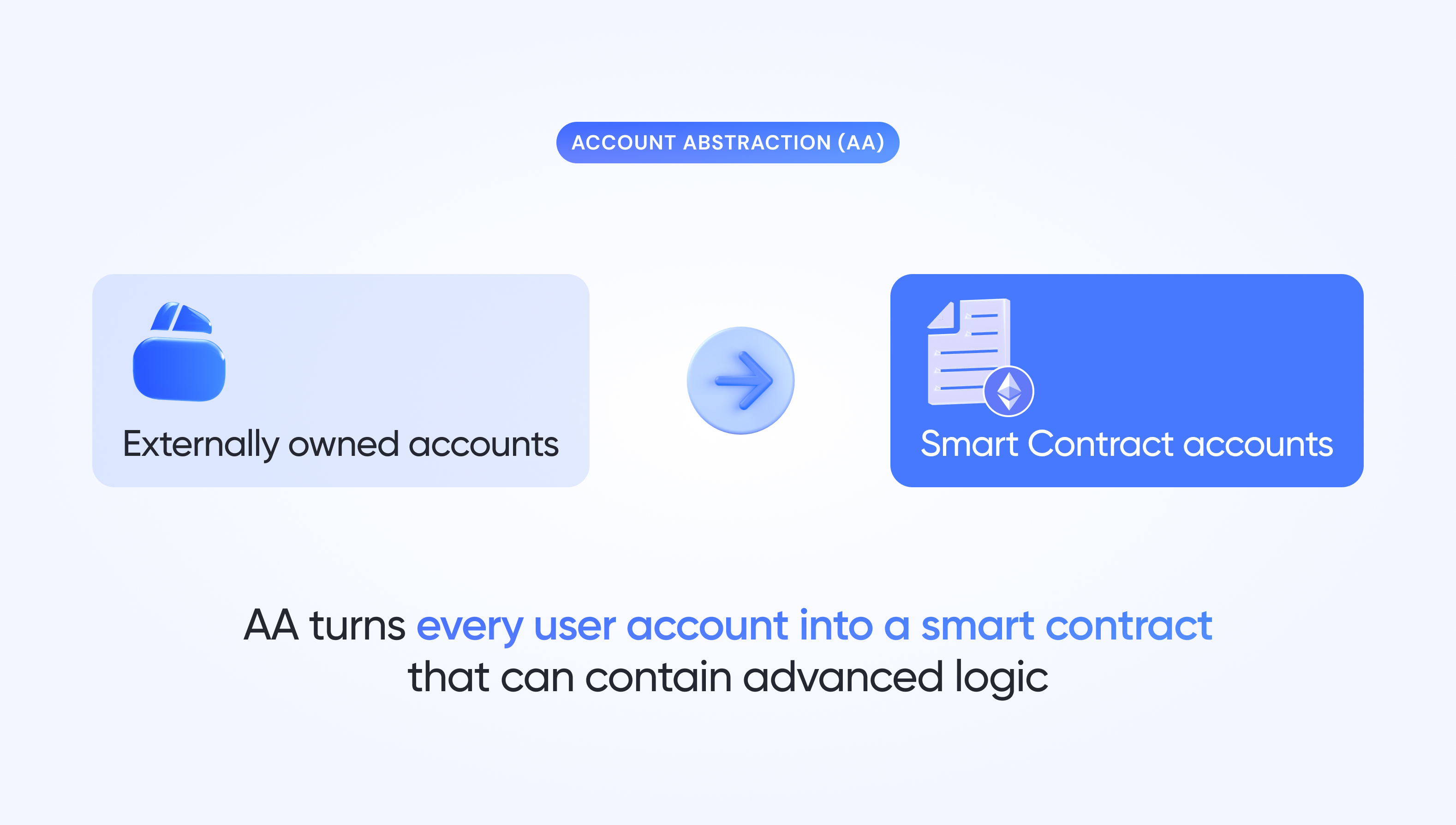
Implement a recovery path for lost devices. In a 2-of-3 setup, if a user loses their phone (one share), they can still recover access using their backup server share and a recovery service share. Configure the smart account to allow a trusted recovery module to update the wallet’s public key or threshold parameters. This ensures that losing a device doesn’t mean losing funds, a critical feature for mainstream adoption.
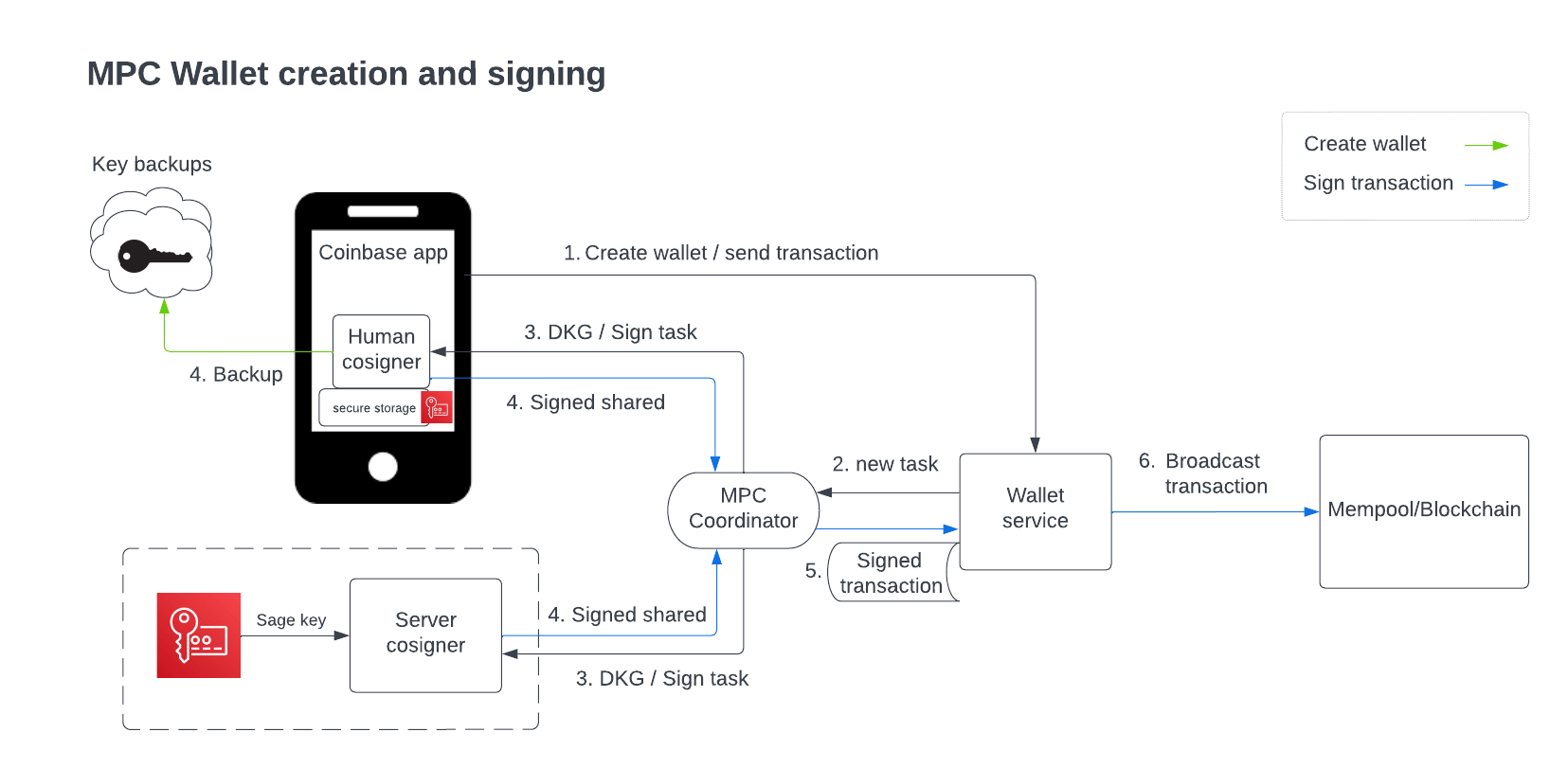
Run end-to-end tests to ensure the MPC shares correctly sign transactions and the Entry Point accepts them. Verify that invalid signatures are rejected and that gas estimation works correctly with your Paymaster. Test edge cases like network congestion and simultaneous signing requests. This step confirms that your wallet can handle real-world load without compromising security or user experience.
Fix common mistakes
MPC wallets remove the risk of a single lost seed phrase, but they introduce new failure points. If you treat a distributed system like a traditional hot wallet, you will likely lose access to your funds or expose yourself to social engineering attacks. Here is how to avoid the most frequent errors.
Misconfiguring the threshold
The threshold determines how many key shards are needed to sign a transaction. Setting it too low (e.g., 1-of-3) defeats the purpose of MPC by creating a single point of failure. Setting it too high (e.g., 3-of-3) creates friction and risk if one device is lost or offline. For most personal use cases, a 2-of-3 or 2-of-4 configuration offers the best balance of security and usability. Ensure your provider allows you to adjust this threshold before finalizing your setup.
Overlooking social engineering risks
MPC does not make you immune to phishing. Attackers often target the user interface rather than the cryptographic protocol. A common mistake is approving a transaction on a compromised device without verifying the contract address. Always cross-reference transaction details on a block explorer. If your MPC provider offers a "burner" device for high-value transactions, use it. Never use your primary phone for signing large, unverified contracts.
Ignoring shard recovery protocols
Most users assume their shards are automatically backed up. They are not. If you lose the device holding one of your key shards, you may be locked out of your wallet forever unless you have a recovery plan. Before funding your wallet, test the recovery process. Document where each shard is stored. If you use a third-party custodian for some shards, verify their insurance coverage and uptime history. A broken shard is as bad as a lost private key.
Using weak authentication for shard access
The security of an MPC wallet is only as strong as the authentication protecting the devices holding the shards. Using a simple PIN or password on a mobile device is a critical vulnerability. Enable biometric authentication (FaceID, fingerprint) on all devices holding shards. If your provider supports hardware security modules (HSM) or secure enclaves, prioritize them. Weak authentication on a shard device allows attackers to bypass the MPC protocol entirely.
Mpc aa wallet: what to check next
Before launching an MPC AA wallet, it helps to separate the cryptographic mechanics from the account abstraction features. The table below answers the most common practical objections users have when choosing a key management solution.
No comments yet. Be the first to share your thoughts!