What is the MPC AA wallet?
An MPC AA wallet is a hybrid architecture that merges cryptographic key splitting with smart contract logic to solve both security and usability in Web3. By combining Multi-Party Computation (MPC) with Account Abstraction (AA/ERC-4337), these wallets move beyond the limitations of traditional single-key systems.
Traditional wallets rely on a single private key that, if compromised or lost, results in total loss of funds. MPC addresses this by splitting the private key into multiple encrypted shares distributed across different parties or devices. The complete key is never assembled in one place, meaning no single compromised device or insider can access your funds. This cryptographic approach significantly reduces the risk of hacking and breaches.
Account Abstraction complements this by replacing the rigid, account-based model of Ethereum with a smart contract-based system. This allows for flexible authentication methods, such as social recovery or biometric sign-ins, and enables transaction batching. The smart contract acts as the wallet, managing state and logic on-chain rather than relying on external key management.
When merged, the MPC AA wallet offers a robust solution where security is distributed and user experience is simplified. Users benefit from the security of key splitting without the complexity of managing multiple shares, while developers gain the flexibility of smart contract wallets. This combination is reshaping how digital assets are secured and accessed, providing a more practical approach to Web3 security.
How MPC and AA Solve Separate Problems
Multi-party computation (MPC) and account abstraction (AA) address distinct layers of the crypto stack. Confusing the two is common, but their roles are fundamentally different. MPC is a security protocol that manages how keys are stored and used. AA is a smart contract standard that manages how transactions are executed and validated.
MPC: Security Without Single Points of Failure
MPC wallets split private keys into multiple "shards" distributed across different parties or devices. The complete key is never assembled in one place. This means no single compromised device, insider, or attacker can access your funds.
As Fireblocks explains, MPC ensures that no single point is ever compromised. Instead of storing one private key that can be lost or stolen, MPC divides authority into multiple encrypted key shares. These shares collaborate to authorize transactions without ever forming or exposing the full private key. This eliminates the single point of failure inherent in traditional wallet architectures.
AA: User Experience Through Smart Contracts
Account abstraction, defined by EIP-4337, replaces the traditional externally owned account (EOA) with a smart contract account. This shift allows for features like social recovery, where trusted contacts can help restore access if you lose your device. It also enables gasless transactions, where third parties pay the network fees, and session keys, which grant limited permissions for specific apps.
While MPC handles the heavy lifting of key security, AA handles the interaction. It makes the wallet behave like a smart contract, allowing for more flexible and user-friendly operations. AA wallets are simpler in terms of key management—they often rely on a single private key or a standard signature scheme—but they offer a richer set of tools for the user.
The Synergy
When combined, MPC and AA create a wallet that is both highly secure and highly usable. MPC ensures that the keys are never exposed or stored in a vulnerable way. AA ensures that the user experience is smooth, with features like gasless transactions and social recovery. This merger addresses the two biggest pain points in crypto: security risks and poor usability.
ERC-4337 implementation details
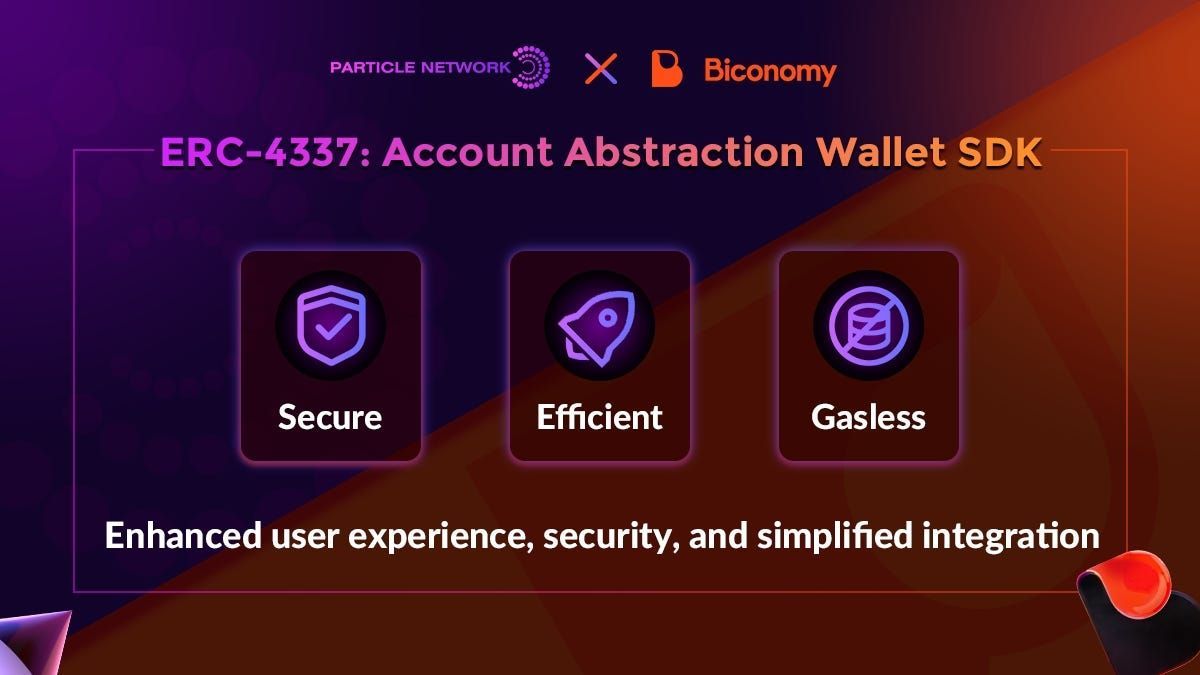
ERC-4337 introduces Account Abstraction by decoupling transaction validation from the Ethereum consensus layer. Instead of relying on the native transaction format, it introduces a new transaction type called a UserOperation. This shift allows smart contracts to act as wallets, enabling features like social recovery and batched transactions that were previously impossible on-chain.
In an MPC AA wallet, this architecture is critical. The Multi-Party Computation layer handles the complex cryptography of splitting and reconstructing private keys across multiple devices or servers. However, the actual submission of the transaction to the blockchain is handled by the ERC-4337 EntryPoint contract. This separation ensures that the heavy lifting of key management does not bottleneck the transaction lifecycle.
The process flows through a dedicated bundler. When a user initiates a transfer, the MPC nodes sign the UserOperation. The bundler then packages these signed operations and submits them to the EntryPoint. The EntryPoint validates the signature against the smart contract wallet logic and executes the transfer. This mechanism allows the MPC wallet to function as a standard ERC-4337 compatible account, inheriting its gas efficiency and flexibility.
This design also enables paymasters. Since the wallet is a smart contract, it can sponsor gas fees on behalf of the user, abstracting away the need for the user to hold native ETH. For MPC wallets, this adds a layer of usability without compromising the security model, as the cryptographic threshold remains intact regardless of who pays for the gas.
Comparing MPC AA to Traditional Custody
Choosing a wallet architecture requires balancing security, user experience, and operational complexity. While traditional solutions have served institutional and retail markets for years, the convergence of Multi-Party Computation (MPC) and Account Abstraction (AA) introduces a hybrid model that addresses the limitations of each standalone approach.
Traditional multisig wallets distribute key shares across multiple devices or parties, requiring all (or a threshold of) signatures to approve a transaction. This offers strong security but often results in a cumbersome user experience, as every transaction requires coordination and multiple signatures. Standalone MPC wallets improve this by splitting the private key into shares that never reconstruct, allowing for faster, single-signature-like UX while maintaining distributed security. However, they typically lack the programmability of smart contracts.
Standalone AA wallets, built on ERC-4337 and similar standards, offer superior UX through features like social recovery, gas sponsorship, and batched transactions. Yet, they often rely on a single smart contract owner or a less flexible key management scheme, which can introduce single points of failure or complexity in key rotation.
MPC AA wallets merge the distributed security of MPC with the programmable flexibility of AA. This hybrid approach allows for secure, distributed key management while enabling smart contract features like session keys, paymasters, and account recovery. The result is a wallet that is both more secure than traditional multisig and more user-friendly than standalone AA or MPC solutions.
| Feature | Traditional Multisig | Standalone MPC | Standalone AA | MPC AA |
|---|---|---|---|---|
| Security Model | Threshold signatures | Distributed key shares | Smart contract owner | Distributed + Smart contract |
| User Experience | Complex, slow | Simpler, single sig | High, social recovery | High, session keys |
| Programmability | Low | Low | High | High |
| Key Recovery | Manual, complex | Share redistribution | Social recovery | Social + MPC |
| Operational Cost | High | Medium | Low (gas sponsored) | Medium |
Enterprise Use Cases for MPC AA Wallets
The convergence of Multi-Party Computation (MPC) and Account Abstraction (AA) creates a specific advantage for organizations managing high-value digital assets. Unlike retail wallets, enterprise environments require granular control, automated compliance, and resilience against single points of failure. MPC AA wallets address these needs by splitting private keys across multiple parties while enabling smart contract-based transaction logic.
DAO Treasury Management
Decentralized Autonomous Organizations (DAOs) manage significant capital but often lack the operational friction needed to prevent unauthorized spending. MPC AA wallets allow DAOs to implement custom spending limits and multi-signature requirements directly into the wallet’s smart contract logic. This means transactions can be automatically validated against on-chain governance rules before execution, reducing the risk of treasury drains from compromised individual keys.
Institutional Custody
Institutional custodians prioritize security and auditability above all else. By using MPC, the private key is never assembled in one place, eliminating the risk of a single server breach compromising all assets. When combined with Account Abstraction, custodians can offer clients "gasless" transactions and session keys, improving the user experience without sacrificing the security posture required by regulated entities. This structure aligns with the security standards used by major exchanges like Coinbase, which utilizes MPC libraries to protect cryptoassets.
Embedded Finance Products
For fintech platforms integrating blockchain payments, embedded finance requires seamless user experiences. MPC AA wallets enable session keys that allow users to sign multiple transactions with a single approval, similar to how a credit card works. This abstraction hides the complexity of blockchain interactions from the end user while maintaining the security benefits of distributed key shares. This approach is critical for building scalable Web3 user experiences that do not alienate non-technical users.
No comments yet. Be the first to share your thoughts!