What is an MPC AA wallet?
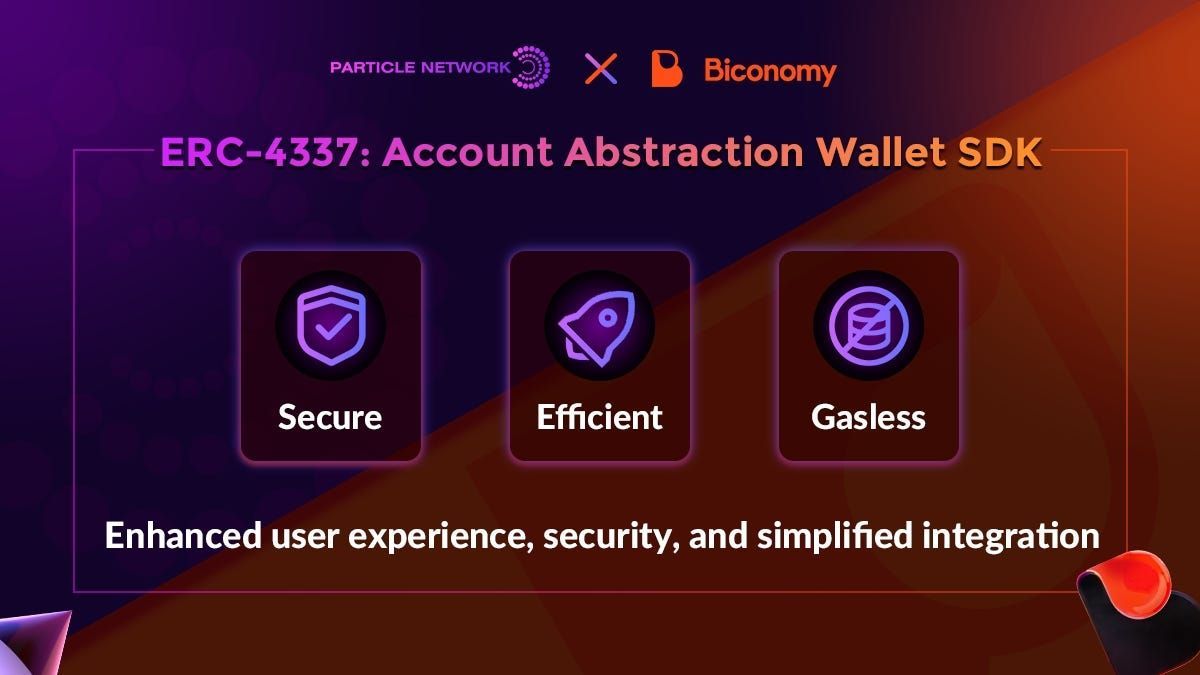
An MPC AA wallet combines two distinct technologies to remove the need for a single seed phrase while adding smart contract logic. Multi-Party Computation (MPC) splits the private key into shards distributed across multiple devices or parties. No single entity ever holds the full key. Account Abstraction (ERC-4337) replaces the traditional externally owned account with a smart contract wallet. This contract defines custom rules for transactions, enabling features like social recovery and gas sponsorship.
The combination solves the two biggest friction points in crypto: key management and user experience. Without MPC, a seed phrase is a single point of failure. Without Account Abstraction, the wallet cannot support modern features like paymasters or session keys. Together, they create a programmable vault that is harder to steal and easier to use.
Comparison: Traditional vs. MPC AA
| Feature | Traditional Wallet | MPC AA Wallet |
|---|---|---|
| Key Storage | Single seed phrase | Sharded key fragments |
| Recovery | Seed phrase only | Social contacts or backup shards |
| Transaction Logic | Fixed EOA rules | Custom smart contract logic |
| Gas Payment | User holds native token | Paymaster can sponsor gas |
Tradeoffs by Use Case
The main tradeoff is complexity. Managing multiple shards requires coordination, and relying on smart contracts introduces code risk. However, for high-volume users or enterprises, the security benefits outweigh the setup cost. For casual users, the abstraction layer simplifies interactions, even if the underlying key management is more distributed.
Decision Guide
Choose an MPC AA wallet if you need programmable transaction logic and want to eliminate seed phrase risks. It is ideal for teams, DAOs, or power users who value recovery options and gas flexibility. If you prefer simplicity and do not need smart contract features, a standard multisig or traditional wallet may be sufficient.
Mpc aa wallet choices that change the plan
Choosing an MPC AA wallet means balancing security guarantees against user experience and technical complexity. While the combination of Multi-Party Computation (MPC) and Account Abstraction (AA) offers robust protection against seed phrase loss and phishing, it introduces specific architectural tradeoffs that vary by use case.
Security and Key Management
MPC splits private keys into shards distributed across multiple parties or devices, eliminating a single point of failure. When paired with AA, this structure allows for social recovery and sponsored transactions, significantly improving usability compared to traditional Externally Owned Accounts (EOAs). However, the complexity of coordinating shard reconstruction can introduce latency during critical signing operations.
Transaction Flexibility and Compatibility
AA wallets excel at batching transactions and paying gas in any ERC-20 token, streamlining the user journey. Traditional MPC implementations often rely on EOA structures, which do not natively support AA features like transaction bundling or paymasters. Integrating MPC with AA requires careful protocol design to ensure that the programmable logic of AA does not conflict with the distributed signing requirements of MPC.
Cost and Infrastructure
Running an MPC node network involves higher infrastructure costs than managing a single private key. The need for secure enclaves, network communication, and coordination protocols increases operational overhead. For high-frequency trading or enterprise applications, these costs are justified by the enhanced security and compliance features. For casual users, the complexity may outweigh the benefits of avoiding seed phrases.
| Feature | MPC + AA | Standard AA | Standard MPC |
|---|---|---|---|
| Seed Phrase | None (Sharded) | Single Key | None (Sharded) |
| Social Recovery | Yes | Yes | Limited |
| Transaction Batching | Yes | Yes | No |
| Infrastructure Cost | High | Low | Medium |
| Security Model | Distributed Threshold | Single Point of Failure | Distributed Threshold |
Decision Framework
For applications prioritizing institutional-grade security and regulatory compliance, an MPC AA wallet is often the superior choice despite higher costs. The distributed nature of key management mitigates insider threats and single-point failures. Conversely, for consumer-facing applications where ease of onboarding and low transaction costs are paramount, standard AA wallets may offer a more streamlined experience without the overhead of MPC coordination.
Choosing the right MPC AA wallet setup
Selecting a Multi-Party Computation (MPC) wallet with Account Abstraction (AA) requires matching the security model to your specific risk profile and user experience needs. There is no single "best" option; instead, the decision hinges on whether you prioritize institutional-grade security with complex key management or streamlined consumer usability with smart contract features.
Evaluate key management and custody
The core differentiator among MPC wallets is how private key shards are distributed and who controls them. Institutional solutions often require multiple independent parties (such as the user, a hardware security module, and a cloud provider) to sign transactions. This setup eliminates single points of failure but introduces operational friction. Consumer-focused MPC wallets may handle shard storage more transparently, often relying on social recovery or simpler multi-party protocols to maintain accessibility without sacrificing security.
Assess Account Abstraction capabilities
Account Abstraction transforms the wallet from a static key-holder into a programmable smart contract. This enables features like gas sponsorship (paying fees in stablecoins or for the user), batched transactions, and social recovery. When evaluating an MPC AA wallet, verify if the AA features are native to the MPC protocol or bolted on via a wrapper. Native integration ensures that the multi-party signing process remains secure and efficient, while bolted-on solutions may introduce latency or compatibility issues with certain dApps.
Compare tradeoffs by use case
| Use Case | Recommended Focus | Key Tradeoff |
|---|---|---|
| Institutional / High-Value | Multi-party shard distribution, HSM integration | Higher operational complexity and setup time |
| Consumer / Daily Use | Social recovery, gas sponsorship, mobile-first UX | Slightly higher reliance on service provider uptime |
| DeFi Power Users | Native smart contract integration, batched transactions | Potential for higher gas costs if not optimized |
Final decision framework
Start by defining your primary threat model. If you are safeguarding significant assets against sophisticated attacks, prioritize wallets with transparent, multi-party shard distribution and audited MPC protocols. If your focus is user adoption and ease of use, look for MPC wallets that seamlessly integrate Account Abstraction features like paymasters and session keys. Always verify the security audits of both the MPC implementation and the AA contract logic before committing funds.
Avoid Weak MPC AA Wallet Options
Not every "seedless" wallet is secure. Some projects combine Multi-Party Computation (MPC) and Account Abstraction (AA) poorly, leaving you exposed to single points of failure or complex recovery traps. Before committing funds, check for these common pitfalls.
1. Centralized Key Shards
Some wallets claim MPC security but store one or more key shards on their own servers. If the provider is hacked or goes offline, your assets are frozen or stolen. True MPC requires decentralized key generation where no single entity holds a complete key fragment.
2. Fragile Social Recovery
Account Abstraction enables social recovery, but it is only as strong as the guardians you pick. Relying on just two friends is risky; if they lose access to their devices or become unresponsive, you are locked out. Look for wallets that support threshold signatures (e.g., 3-of-5 guardians) and allow easy guardian rotation.
3. Hidden Gas Complexity
AA wallets abstract gas fees, but some implementations force you to pay in stablecoins or ERC-20 tokens, adding conversion friction. Others rely on paymasters that may be centralized or have limited liquidity. Ensure the wallet supports gas sponsorship without compromising your privacy or incurring hidden exchange fees.
4. Outdated MPC Thresholds
Early MPC implementations often used a 2-of-2 threshold, which is effectively a single point of failure. Modern standards require at least a 2-of-3 or 3-of-5 threshold to ensure redundancy. If the documentation does not specify the threshold, assume the security model is weak.
5. Poor Transaction Simulation
AA wallets can simulate transactions before signing, but some providers skip this step for speed. This leaves you vulnerable to phishing contracts that drain your wallet. Always verify that the wallet interface clearly displays the simulated outcome of every transaction, including potential balance changes and contract interactions.
Mpc aa wallet: what to check next
How does MPC AA differ from standard AA wallets?
Standard AA wallets replace the single private key with smart contract logic for features like social recovery. MPC AA takes this further by splitting the key itself across multiple devices or servers using Multi-Party Computation. This means no single point of failure exists for the key material, while AA handles the transaction structure. The combination offers both advanced UX features and distributed security that neither technology provides alone.
Is MPC AA secure without a seed phrase?
Yes. MPC AA wallets eliminate seed phrases by never reconstructing the full private key. Instead, partial signatures (shares) are generated and combined on-chain to authorize transactions. This removes the risk of seed phrase theft, phishing, or physical loss. The security relies on the cryptographic protocol and the integrity of the participating parties rather than a single string of words.
Can I use MPC AA wallets with existing dApps?
Most MPC AA wallets function as smart contracts on the blockchain, making them compatible with standard Ethereum Virtual Machine (EVM) dApps. However, because they may not use traditional EOAs, some older protocols might not recognize them as valid signers. Always test with your target applications to ensure compatibility, especially for complex DeFi interactions that expect specific signature formats.
What are the tradeoffs of using MPC AA?
The primary tradeoff is complexity. MPC AA wallets require more computational overhead and potentially higher gas fees due to the on-chain signature verification process. They also depend on the availability of the MPC coordinator services. If you prioritize absolute simplicity and low costs for basic transfers, a standard EOAs or single-key AA wallet might be more efficient.
No comments yet. Be the first to share your thoughts!