
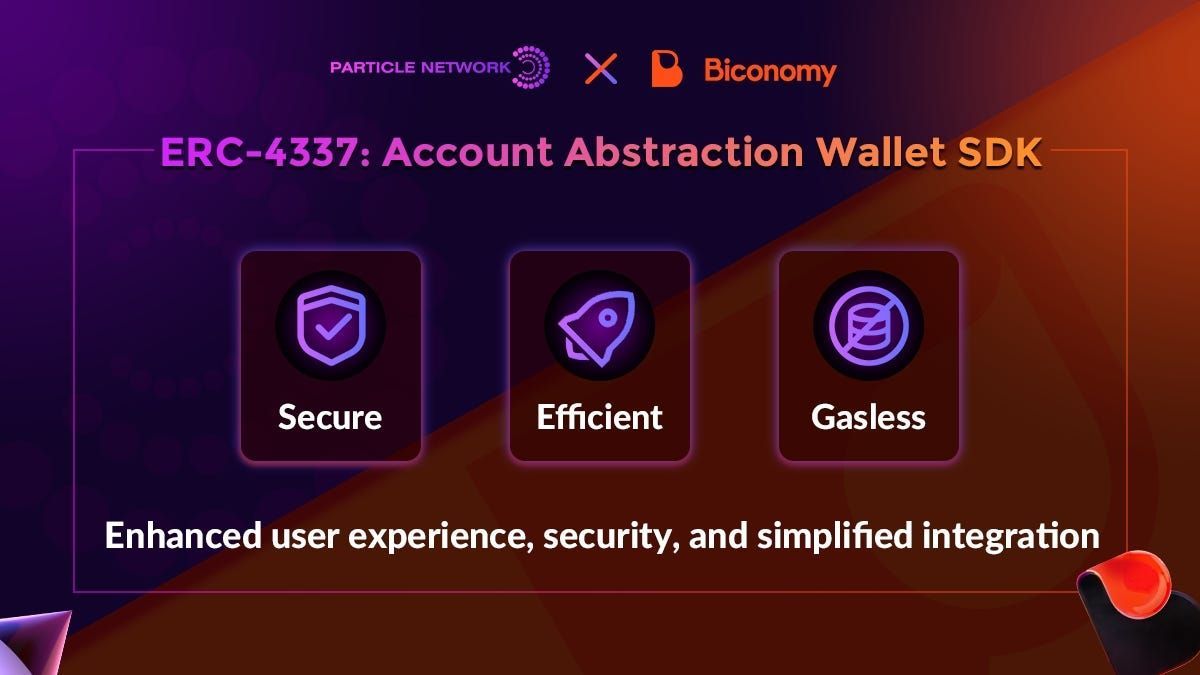
The hybrid custody shift in 2026
Enterprise security is moving away from the single-key model that defined early crypto. By 2026, the convergence of Multi-Party Computation (MPC) and Account Abstraction (AA) has become the standard for institutional digital asset management. This hybrid custody approach eliminates the catastrophic risk of a single point of failure, replacing vulnerable seed phrases with distributed cryptographic verification.
Traditional wallets rely on one private key. If that key is compromised or lost, the assets are gone. MPC wallets split the key into multiple shares distributed across different parties or devices. No single entity holds the full key, making theft significantly harder. When combined with AA, which allows smart contracts to govern wallet logic, enterprises gain programmable security that adapts to real-time risk factors.
The result is a system where security is not just a backup plan but an active, intelligent layer. Institutions are no longer adopting these technologies for experimentation; they are standardizing on them as core infrastructure. This shift marks the end of the seed phrase era, replacing it with a more resilient, enterprise-grade security model.
How MPC and AA solve key management
Traditional self-custody wallets rely on a single private key, stored as a seed phrase. If that phrase is lost, the assets are gone forever. If it is stolen, the funds vanish. Multi-Party Computation (MPC) and Account Abstraction (AA) dismantle this fragile model by replacing the monolithic key with distributed cryptography and programmable logic.
MPC splits the private key into multiple "shares" held by different parties or devices. No single entity ever holds the complete key. When a transaction needs to be signed, these shares collaborate to produce a valid signature without ever revealing the underlying private key. This eliminates the single point of failure inherent in seed phrases. As noted by industry experts, this architecture significantly reduces exposure to theft, malware, and physical loss because compromising one share does not grant access to the wallet.
Account Abstraction complements this by changing how the wallet interacts with the blockchain. Instead of a rigid, externally owned account, AA enables programmable logic. This allows for features like social recovery, where trusted contacts can help restore access if a key share is lost, and session keys, which grant limited permissions for specific tasks. Together, MPC handles the security of the key, while AA handles the flexibility of the account, creating a system that is both secure and user-friendly.
The result is a wallet that doesn't require you to memorize a complex string of words or carry a physical hardware device. The cryptographic burden is shared, and the recovery mechanisms are built into the code, not hidden in a piece of paper.
Comparing top MPC AA wallet providers
Choosing an MPC AA wallet provider means selecting the underlying infrastructure that manages your keys. The landscape is split between institutional-grade custody solutions and consumer-focused apps. Your decision depends on whether you need multi-signature approval for business funds or social recovery for personal assets.
Institutional Custody: Fireblocks and Qredo
Fireblocks and Qredo serve enterprises, funds, and exchanges that require strict compliance and audit trails. Fireblocks uses a MPC architecture combined with secure enclaves, allowing it to support Account Abstraction (AA) for complex transaction types. Qredo focuses on "on-chain custody," using MPC to execute trades without ever exposing private keys to hot wallets. Both providers offer robust API access but come with higher barriers to entry and enterprise pricing.
Consumer-Focused Solutions: ZenGo and Coinbase
ZenGo and Coinbase Wallet target retail users by simplifying the MPC experience. ZenGo eliminates seed phrases entirely by using a social recovery model where your key share is held by the provider and a trusted contact. Coinbase Wallet integrates MPC for self-custody, allowing users to recover accounts via email or social logins while maintaining control. These solutions prioritize ease of use and accessibility over the granular control offered by institutional tools.
Key Feature Comparison
The table below outlines the core differences between these leading MPC infrastructure providers. Focus on the threshold requirements and AA support to determine fit.
| Provider | MPC Threshold | Account Abstraction | Compliance & Audit | Target Audience |
|---|---|---|---|---|
| Fireblocks | Multi-party ( configurable) | Yes | SOC 2, ISO 27001, on-chain audits | Institutions, Exchanges |
| Qredo | Multi-party ( configurable) | Limited | SOC 2, ISO 27001, on-chain custody | Hedge Funds, DAOs |
| ZenGo | 1-of-2 (Social Recovery) | Yes | KYC/AML integrated | Retail Users |
| Coinbase Wallet | 1-of-2 (Social Recovery) | Yes | KYC/AML integrated | Retail Users |
Technical Infrastructure and Security
For those building on MPC AA wallets, the choice of provider also dictates the technical stack. Fireblocks provides a comprehensive SDK and API that supports ERC-4337 standards, making it easier to implement smart account features. Qredo’s unique approach allows for transaction pre-signing, which is critical for high-frequency trading. ZenGo and Coinbase rely on their centralized identity verification to manage key recovery, which simplifies the user experience but introduces a dependency on the provider’s security posture.
Security tradeoffs for institutional teams
Adopting an MPC AA wallet shifts the security paradigm from physical key management to cryptographic coordination. While this eliminates the single point of failure inherent in seed phrases, it introduces new operational dependencies. Institutional teams must weigh the resilience of distributed key shares against the complexity of maintaining synchronized signing nodes.
Key recovery and audit trails
The primary advantage for institutional custodians is the granular control over recovery. Traditional cold storage relies on a single backup phrase; if lost, assets are gone. MPC wallets distribute key fragments across multiple parties or locations. This allows for threshold-based recovery, where a subset of authorized signers can restore access without compromising the entire key structure. This capability aligns with strict compliance frameworks that require immutable audit trails for every key generation and recovery event.
Operational latency and node dependency
The tradeoff lies in transaction finality. MPC signing requires communication between multiple nodes to reconstruct the signature without ever revealing the private key. This introduces latency compared to single-key hardware wallets. For high-frequency trading or automated treasury operations, this delay can be a bottleneck. Teams must ensure their infrastructure can handle the network overhead of multi-party computation without disrupting settlement times.
Insider threat mitigation
MPC architecture significantly reduces insider risk. No single employee or vendor holds the complete private key. Even if one node is compromised or an insider acts maliciously, the attacker cannot sign transactions alone. This distributed trust model is essential for organizations with large treasury teams, ensuring that no single entity can unilaterally move funds.
Frequently asked questions on MPC AA
Is an MPC wallet safe for institutional use?
Yes, MPC wallets are generally considered safer than traditional single-key wallets for institutions because they eliminate the risk of a single point of failure. By splitting the private key into shares distributed across different devices or parties, the system ensures that no single location or individual holds the complete key. This significantly reduces exposure to theft, malware, and physical loss, as compromising one share does not grant access to the wallet.
How does an MPC wallet work with Account Abstraction?
An MPC wallet uses multi-party computation to split a private key into multiple fragments (shares). These shares are held by different parties or devices. To sign a transaction, these shares collaborate to generate a valid signature without ever reconstructing or revealing the full private key. Account Abstraction (AA) complements this by allowing the wallet to function as a smart contract, enabling features like social recovery and session keys. This process ensures that the key material never exists in a single place, enhancing security against breaches.
What are the benefits of MPC wallet for enterprises?
The primary benefits include enhanced security through distributed key management, improved recovery options via social recovery or threshold signatures, and reduced risk of total loss from theft or misplacement. Unlike traditional wallets that rely on a single backup phrase, MPC wallets allow access to be restored even if one or more shares are lost, provided the threshold requirements are met. This aligns with strict compliance frameworks that require immutable audit trails for every key generation and recovery event.
No comments yet. Be the first to share your thoughts!