Defining the MPC AA Wallet
An MPC AA wallet is a hybrid custody model that merges two distinct technologies: Multi-Party Computation (MPC) for security and Account Abstraction (AA) for programmability. Instead of relying on a single private key or a standard ERC-20/7701 account structure, this approach splits the cryptographic burden while enabling smart contract-level features like session keys and paymasters.
Traditional MPC wallets focus solely on key management. They split a private key into shards distributed across multiple parties, ensuring no single entity holds the full secret. This eliminates the single point of failure inherent in traditional wallets, where losing one seed phrase or compromising one server means total asset loss. However, standard MPC wallets often lack the flexibility of smart accounts, limiting transaction logic and user experience enhancements.
Account Abstraction, by contrast, replaces the traditional externally owned account (EOA) with a smart contract. This allows for features like social recovery, batch transactions, and gas sponsorship. Yet, standard AA wallets still require the account to sign transactions, often relying on a single key or a complex multi-sig setup that can be cumbersome. The MPC AA wallet bridges this gap by using MPC to secure the signing process while retaining the programmable logic of the smart contract.
This combination creates a new standard for secure, programmable custody. It allows institutions and advanced users to enjoy the security benefits of distributed key generation without sacrificing the UX improvements offered by account abstraction. The result is a wallet that is both more secure and more flexible than either standalone solution.
How MPC and AA Work Together
Multi-party computation (MPC) and account abstraction (AA) solve different halves of the same problem. MPC handles the cryptographic heavy lifting by splitting the private key into shards distributed across multiple devices or servers. Account abstraction wraps the wallet in a smart contract, allowing the wallet to behave like any other on-chain entity. When combined, they create a wallet that is both harder to compromise and easier to use.
With traditional wallets, a single compromised private key means lost assets. MPC eliminates this single point of failure. Each user holds a fragment of the key, and no single device can sign a transaction alone. Instead, devices collaborate to generate a valid signature without ever reconstructing the full private key. This distribution protects against device theft and insider threats, ensuring that even if one shard is stolen, the assets remain secure.
Account abstraction adds the user experience layer. By moving wallet logic to a smart contract, AA allows for features like gasless transactions, social recovery, and batched operations. Users can pay gas in stablecoins, recover access through trusted contacts, or sign multiple transactions with a single click. The smart contract acts as the wallet's logic center, enforcing rules that traditional externally owned accounts (EOAs) cannot support.
The synergy becomes clear when you look at the transaction flow. An MPC wallet provides the secure signing mechanism, while the AA smart contract defines the execution rules. For example, a user can set up a social recovery policy in the smart contract. If they lose their phone, trusted contacts can help restore access without exposing the private key. Meanwhile, MPC ensures that the signing process itself remains distributed and secure.
This combination is particularly valuable for institutional and high-stakes users. Institutions can enforce multi-signature policies across geographically distributed nodes using MPC, while AA allows for customizable compliance rules and automated treasury management. The result is a wallet that scales with the complexity of the user's needs.
The technical integration requires careful design. The MPC nodes must communicate with the AA smart contract efficiently to ensure transactions are signed and executed without delay. Developers use tools like ERC-4337 to standardize this interaction, creating a bundle that includes the user operation, the signature, and the paymaster data. This standardization allows different MPC providers to work with various AA implementations, fostering a more open ecosystem.
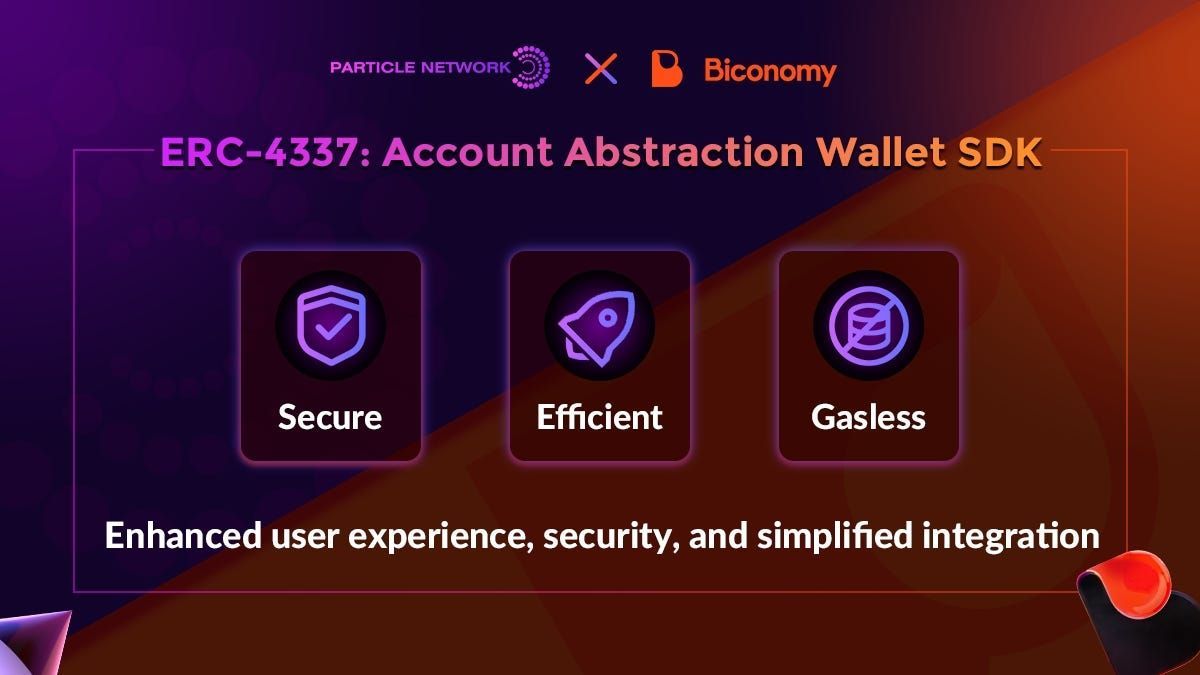
As the technology matures, we are seeing more projects focus on this integration. Companies like Particle Network and Biconomy have released solutions that combine MPC security with AA flexibility. These solutions aim to make the complexity invisible to the end user, offering bank-grade security with the ease of use of a web2 app.
Security vs. usability choices that change the plan
The MPC AA wallet represents a convergence of two distinct technologies: Multi-Party Computation (MPC) and Account Abstraction (AA). While traditional hot and cold wallets force users to choose between convenience and safety, this hybrid approach attempts to deliver institutional-grade security with consumer-friendly UX. Understanding where these technologies intersect requires comparing them against standalone implementations.
Traditional wallets rely on a single private key. If that key is exposed, assets are lost. Standalone MPC wallets solve this by splitting the key into shares, but they often lack the programmable features of modern smart contracts. Standalone AA wallets offer flexible authentication and gas sponsorship but typically rely on single-key signatures that can be targeted. The MPC AA wallet combines the distributed key management of MPC with the smart contract capabilities of AA, creating a system where no single point of failure exists and the user experience is abstracted away.
The following comparison highlights how these models differ across security, usability, and operational cost.
| Wallet Type | Security Model | Usability | Complexity |
|---|---|---|---|
| Traditional Hot Wallet | Single point of failure. Private key stored in one location. | High. Simple interface, instant access. | Low. Minimal infrastructure. |
| Traditional Cold Wallet | High. Offline key storage. | Low. Physical device required for every transaction. | Low. Hardware cost only. |
| Standalone MPC | High. Key shares distributed across multiple parties. | Medium. Requires coordination between parties. | Medium. Multi-party infrastructure. |
| Standalone AA | Medium. Smart contract security, but often single-key. | High. Social recovery, gas sponsorship. | Medium. Smart contract deployment. |
| MPC AA Wallet | Very High. Distributed keys + smart contract logic. | Very High. Seamless UX with institutional security. | High. Complex integration. |
This tradeoff is not just theoretical. As noted in community discussions on Ethereum development, AA wallets are simpler and rely on a single private key for access, while MPC wallets use multiple parties to generate and sign transactions. The MPC AA wallet merges these mechanics, ensuring that users do not have to sacrifice the "seamless" experience of AA for the security of MPC. This fusion ensures users benefit from the best of both worlds, mitigating the risks associated with single-key storage while maintaining the flexibility of smart contract accounts.
Where MPC AA Wallets Change the Game
MPC AA wallets bridge the gap between institutional-grade security and the flexibility of smart accounts. By splitting key management across multiple parties and enabling programmable transaction logic, these wallets solve specific friction points that traditional hot or cold wallets cannot handle alone.
DAO Treasury Management
Decentralized organizations require transparent, multi-signature governance to protect large treasuries. MPC AA wallets allow DAOs to set dynamic quorum rules—such as requiring three of five signers for transactions over $10,000. Account Abstraction enables batched payments and gasless operations, reducing the operational overhead of managing multiple token transfers. This setup ensures that no single officer can drain funds, while the smart account layer automates compliance and reporting.
Institutional Asset Custody
For asset managers and family offices, MPC AA wallets offer a hybrid custody model that eliminates single points of failure. Unlike traditional MPC wallets that rely on static key shares, the AA layer allows institutions to define complex spending limits and time-locks directly on-chain. This means large institutional outflows can be pre-approved by compliance officers while routine small payments are executed automatically. The result is a custody solution that meets regulatory scrutiny without sacrificing the speed required for active trading.
High-Volume DeFi Operations
DeFi protocols and high-frequency traders benefit from the gasless transactions enabled by Account Abstraction. By sponsoring gas fees or using paymasters, MPC AA wallets allow users to execute complex, multi-step DeFi strategies without holding native tokens for gas. Combined with MPC’s distributed signing, these operations remain secure even when executed rapidly across multiple chains. This is particularly useful for arbitrage bots or liquidity providers who need to move assets frequently without exposing private keys to centralized exchange risks.
Choosing an MPC AA Provider
Selecting the right MPC AA wallet provider requires balancing security architecture with developer experience. The decision rests on three pillars: the key generation protocol, compliance readiness, and integration friction. Teams must evaluate providers not just on current features, but on how their underlying cryptography aligns with long-term account abstraction goals.
Prioritize providers using Distributed Key Generation (DKG) over trusted dealer models. DKG ensures no single party ever holds the complete private key, eliminating the initial trust assumption. Verify that the protocol supports threshold signatures and periodic share refresh to prevent stale key exposure. This approach aligns with the core security advantage of MPC: removing single points of failure.
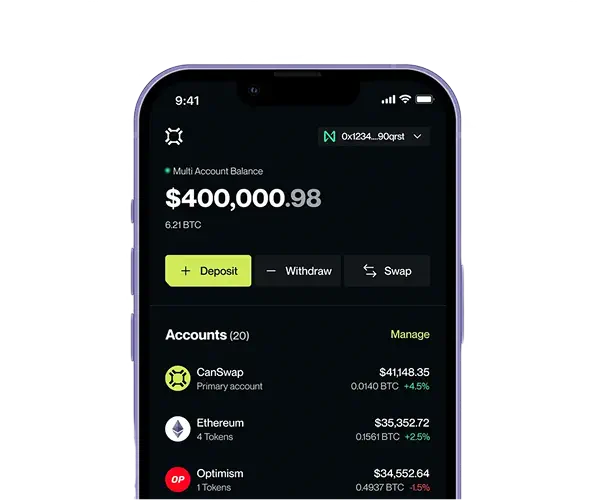
Account Abstraction introduces complex smart contract logic that must be rigorously audited. Look for providers with independent security audits of their MPC modules and AA smart contracts. Ensure the provider supports multi-signature governance for key recovery, which is critical for institutional compliance. Providers should also offer clear documentation on how they handle regulatory requirements like KYC/AML at the wallet level.
Developer experience determines adoption speed. Evaluate the provider’s SDK for native support of ERC-4337 bundlers and paymasters. A robust SDK should abstract away the complexity of session keys and gas sponsorship, allowing your team to focus on user experience. Test the documentation for clarity on error handling and edge cases in cross-chain transactions.
No comments yet. Be the first to share your thoughts!