Why MPC AA Wallets Define 2026 Custody
The era of relying on a single seed phrase for team self-custody is ending. By 2026, enterprises are no longer adopting MPC AA wallets for experimentation; they are standardizing on this architecture as core infrastructure. The shift addresses two fundamental weaknesses in traditional crypto management: the single point of failure inherent in private keys and the rigidity of legacy smart contract standards.
Multi-Party Computation (MPC) eliminates the "single point of failure" by breaking the private key into multiple shares distributed across different devices or servers. No single party ever holds the complete key. This structure prevents hackers from stealing assets by compromising just one endpoint. When combined with Account Abstraction (AA), these wallets gain programmability, allowing for custom security rules, batched transactions, and social recovery mechanisms that standard EOAs cannot support.
The convergence of these technologies creates a custody model that is both secure and flexible. Teams can enforce complex approval workflows without sacrificing the speed needed for active treasury management. This is not merely an incremental upgrade but a foundational change in how digital assets are protected.
This integration marks a decisive move away from custodial reliance. As ChainUp notes, the arguments for self-custody are stronger than ever, primarily because it eliminates third-party risk. MPC AA wallets provide the tools to maintain true ownership while mitigating the operational hazards that have historically plagued team-held assets.
How MPC and Account Abstraction Work Together
Most discussions treat Multi-Party Computation (MPC) and Account Abstraction (AA) as competing technologies. In reality, they solve different problems. MPC secures the keys. AA secures the user experience. When combined, they create a self-custody wallet that is both cryptographically secure and functionally simple.
MPC: The Security Layer
MPC replaces the single private key with a set of cryptographic "shares." These shares are distributed across different devices or servers. No single device ever holds the full key. To authorize a transaction, these shares perform a multi-party computation to generate a valid signature without ever reconstructing the original key.
This eliminates the single point of failure inherent in traditional wallets. If one device is lost or compromised, the attacker cannot access the funds. The full key never exists in any single memory location, making it immune to standard key-stealing malware.
AA: The Usability Layer
Account Abstraction upgrades the standard Ethereum wallet (EOA) into a smart contract. This shift allows the wallet to enforce custom logic, such as social recovery, session keys, and gas sponsorship. Users no longer need to hold the native token (ETH) to pay for transaction fees. They can pay gas in stablecoins or have the application sponsor the cost entirely.
AA also enables "session keys"—temporary permissions that allow an application to interact with your wallet without requiring a full signature for every action. This creates a seamless experience for gaming, trading, or interacting with decentralized applications.
The Synergy
The combination of MPC and AA creates a robust architecture. MPC handles the heavy lifting of key management off-chain, ensuring that the private key shares never leave the user's devices. AA handles the on-chain logic, managing the smart contract wallet that holds the assets.
This separation of concerns allows for advanced features like batched transactions and paymasters to work without compromising security. The result is a wallet that feels as easy as a Web2 app but offers the self-custody guarantees of Web3.
Top MPC AA Wallet Solutions for Teams
Choosing the right MPC AA wallet for your team involves balancing security architecture with developer experience. The market has matured from simple key-sharing tools to sophisticated platforms that integrate Account Abstraction (AA) with multi-party computation. This combination allows teams to manage assets programmatically while eliminating single points of failure.
When evaluating providers, focus on their key management infrastructure, supported chains, and compliance features. Enterprise teams need granular permission controls, audit trails, and seamless integration with existing treasury management systems. Below is a comparison of leading solutions that meet these criteria.
Comparison of Leading MPC AA Wallets
The following table outlines the core capabilities of major MPC AA wallet providers. These platforms differ in their approach to key generation, recovery mechanisms, and enterprise-grade features.
Fireblocks
Fireblocks remains a dominant player in the institutional space, offering a robust MPC-TSS (Threshold Signature Scheme) architecture. It is designed for high-volume treasury operations, providing deep integration with major exchanges and custodians. The platform supports over 50 blockchains and offers comprehensive audit trails and role-based access controls.
Biconomy
Biconomy focuses on the developer experience, combining MPC with Account Abstraction to create seamless user onboarding. Its solution allows for gas fee sponsorship and programmable approval logic, making it ideal for teams building dApps that require frictionless user experiences. It supports both EVM-compatible and Solana chains.
ZenGo
ZenGo employs a unique key-sharding technology that eliminates the need for seed phrases entirely. Users recover access through biometric verification, which simplifies the user experience while maintaining security. It is particularly strong in consumer-facing applications and offers SOC 2 compliance for enterprise clients.
Particle Network
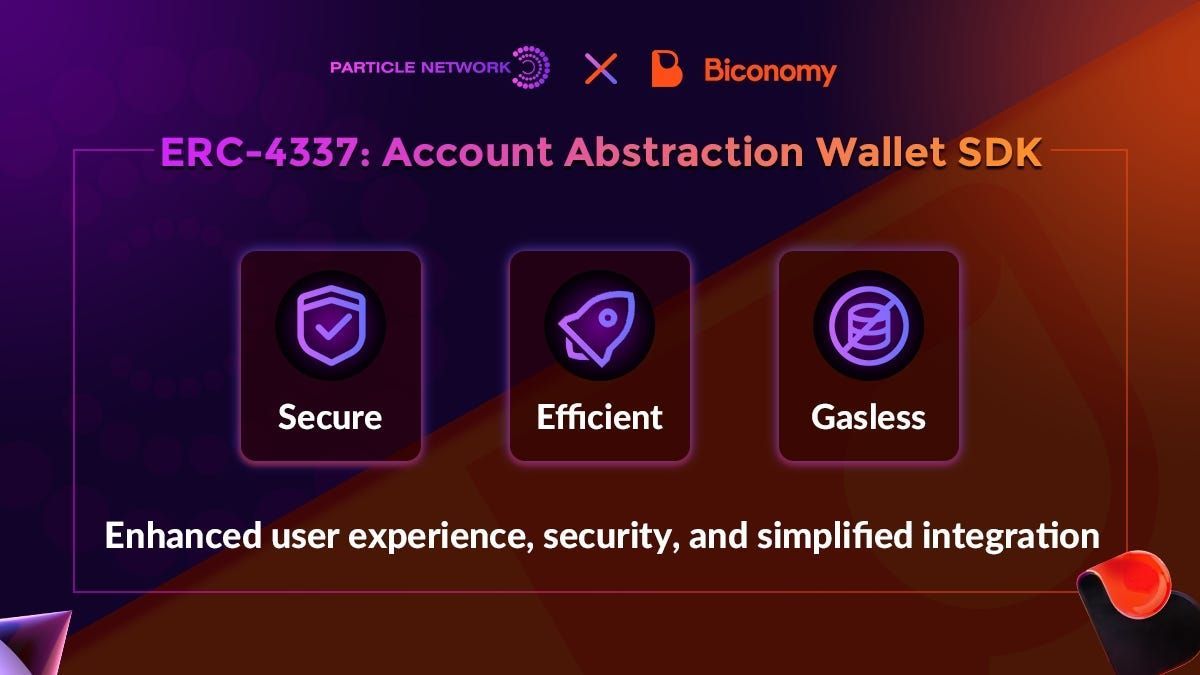
Particle Network provides a modular infrastructure for building MPC AA wallets. Its solution is highly customizable, allowing teams to define their own security policies and recovery mechanisms. It supports multi-chain operations and integrates with various blockchain networks, offering flexibility for complex treasury structures.
Key Considerations for Selection
When selecting an MPC AA wallet, consider the following factors:
- Security Architecture: Ensure the provider uses MPC-TSS or similar advanced cryptographic methods.
- Recovery Options: Look for social recovery or biometric-based recovery to prevent asset loss.
- Compliance: Verify that the provider meets your organization's regulatory requirements (e.g., SOC 2, GDPR).
- Integration: Check for API support and compatibility with your existing tech stack.
Essential Hardware for Secure Operations
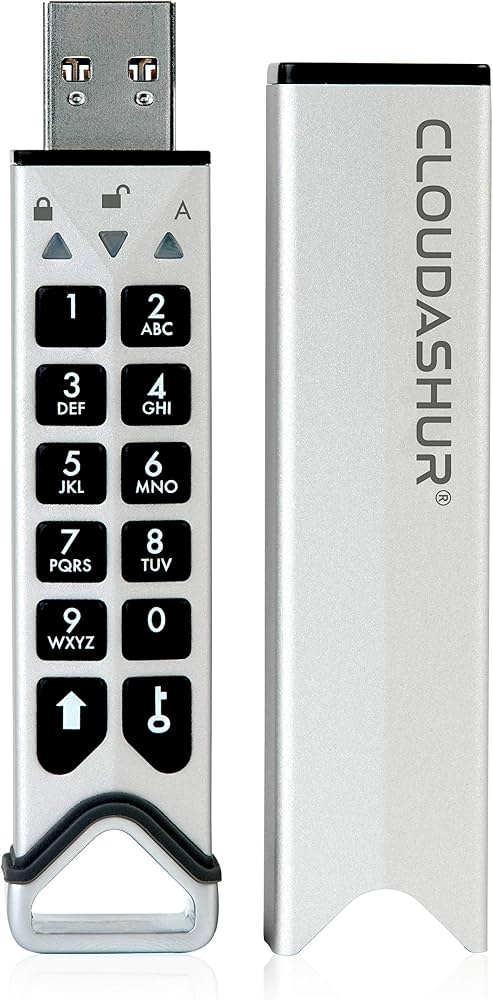
While software solutions handle key management, physical security remains critical for high-value operations. Consider adding dedicated hardware security modules (HSMs) and secure enclaves to your infrastructure. These tools provide an additional layer of protection against physical tampering and unauthorized access.


As an Amazon Associate, we may earn from qualifying purchases.
Security Benefits Over Traditional Seed Phrases
Traditional self-custody relies on a single private key, often stored as a 12 or 24-word seed phrase. If that phrase is copied, photographed, or intercepted, the assets are gone. MPC AA wallets replace this fragile monolith with a distributed cryptographic architecture. The private key never exists in full on any single device or server, fundamentally changing the risk profile for team-managed funds.
No Single Point of Failure
In a standard wallet, the seed phrase is the "root of trust." Lose it, and access is lost forever. Have it stolen, and the wallet is drained. MPC AA eliminates this single point of failure by splitting the key into multiple "shares" distributed across different devices or servers.
To authorize a transaction, these shares must collaborate cryptographically. No single share can reveal the full key, and no single compromised device can steal the funds. This means a lost laptop or a stolen phone does not result in asset loss, provided the remaining required shares are secure. It shifts security from "protect one secret" to "protect many fragments," making total compromise exponentially harder for attackers.
Phishing Resistance
Seed phrases are vulnerable to social engineering. Phishers create fake interfaces that trick users into entering their recovery phrase, granting immediate access to the attacker. MPC AA wallets are resistant to this attack vector because the private key is never entered into any interface.
Users interact with the wallet through signatures generated by the collaboration of key shares. Even if an attacker tricks a team member into interacting with a malicious site, they cannot extract the private key because it is not stored locally in a retrievable format. The cryptographic computation happens in the background, ensuring that the actual secret material remains hidden from user-facing applications.
Institutional-Grade Access Controls
Team self-custody requires more than just security; it requires governance. MPC AA wallets support multi-signature policies and role-based access controls. Teams can define exactly who can initiate, approve, or veto transactions based on their role.
This aligns with institutional compliance standards, providing an audit trail of who authorized what and when. It prevents rogue actors from draining funds and ensures that large transactions require consensus from multiple trusted parties. This structured approach transforms self-custody from a solo responsibility into a secure, collaborative workflow suitable for enterprises and DAOs.
Frequently Asked Questions About MPC AA Wallets
What are MPC wallets in crypto?
An MPC (multi-party computation) wallet uses cryptographic protocols to authorize transactions without storing a single private key. Instead, the key is split into shares distributed across multiple devices or servers, reducing the risk of hacking or loss while maintaining self-custody principles.
What is the difference between MPC and non-MPC wallets?
Traditional non-MPC wallets rely on a single private key; if that key is compromised, the assets are gone. MPC wallets eliminate this single point of failure by distributing key shares. Even if one share is stolen, the attacker cannot reconstruct the full key needed to move funds.
How do AA wallets change team self-custody?
Account Abstraction (AA) adds programmable logic to the wallet layer, enabling features like social recovery and sponsored gas fees. When combined with MPC, teams can execute complex approval workflows without relying on external custodians, keeping control firmly in-house while simplifying operations.
No comments yet. Be the first to share your thoughts!